Spa Six Hours
A Time Machine
Scroll
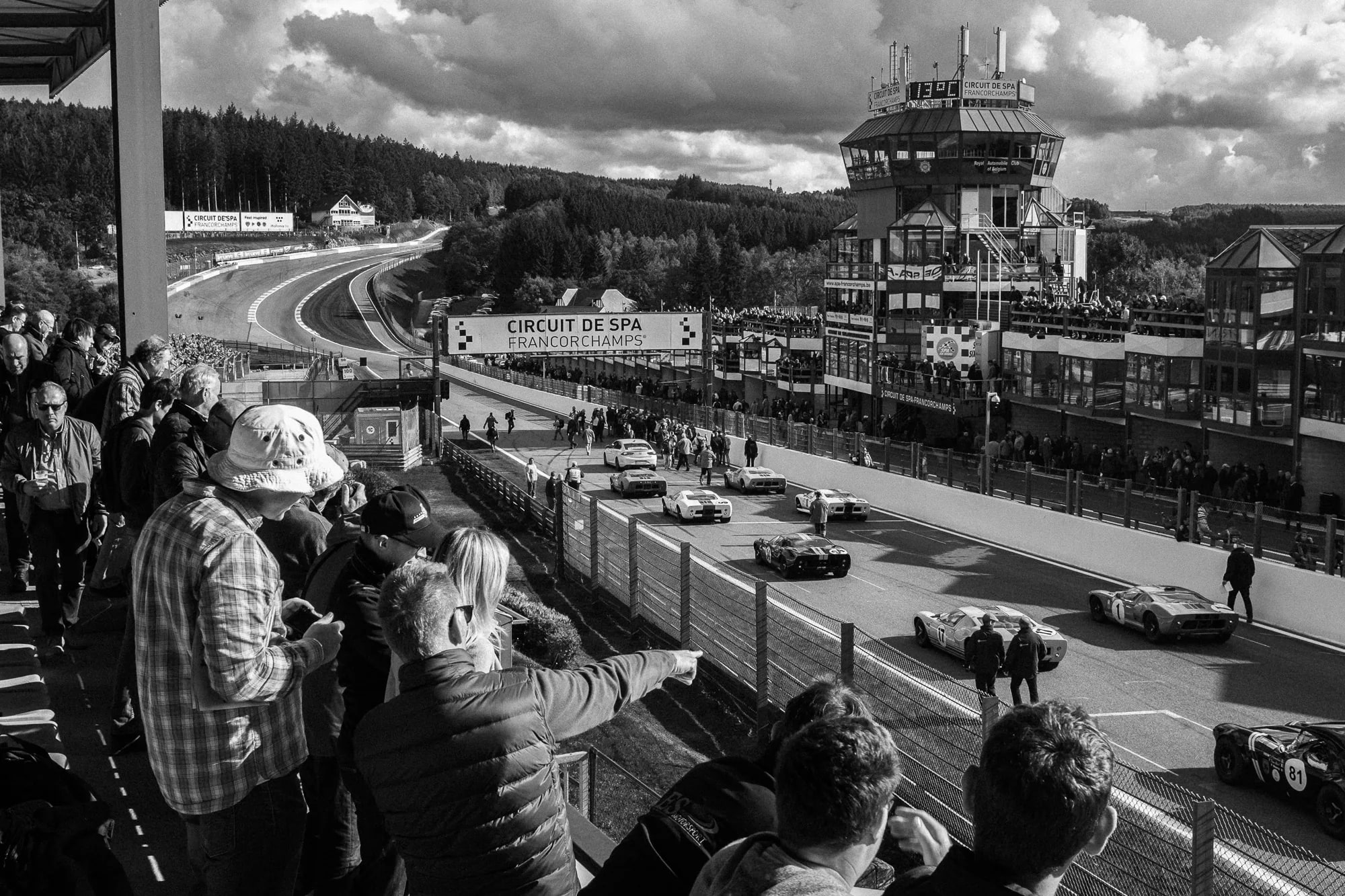
Spa-Francorchamps
Spa-Francorchamps is a legendary Belgian circuit whose history stretches back to the 1920s. It stands alongside only a handful of others like Monza, the Nürburgring, and Le Mans' La Sarthe.
It is still an active circuit, hosting major events including the Belgian Formula 1 Grand Prix.
Spa Six Hours
The Spa Six Hours is a race held every year in late September.
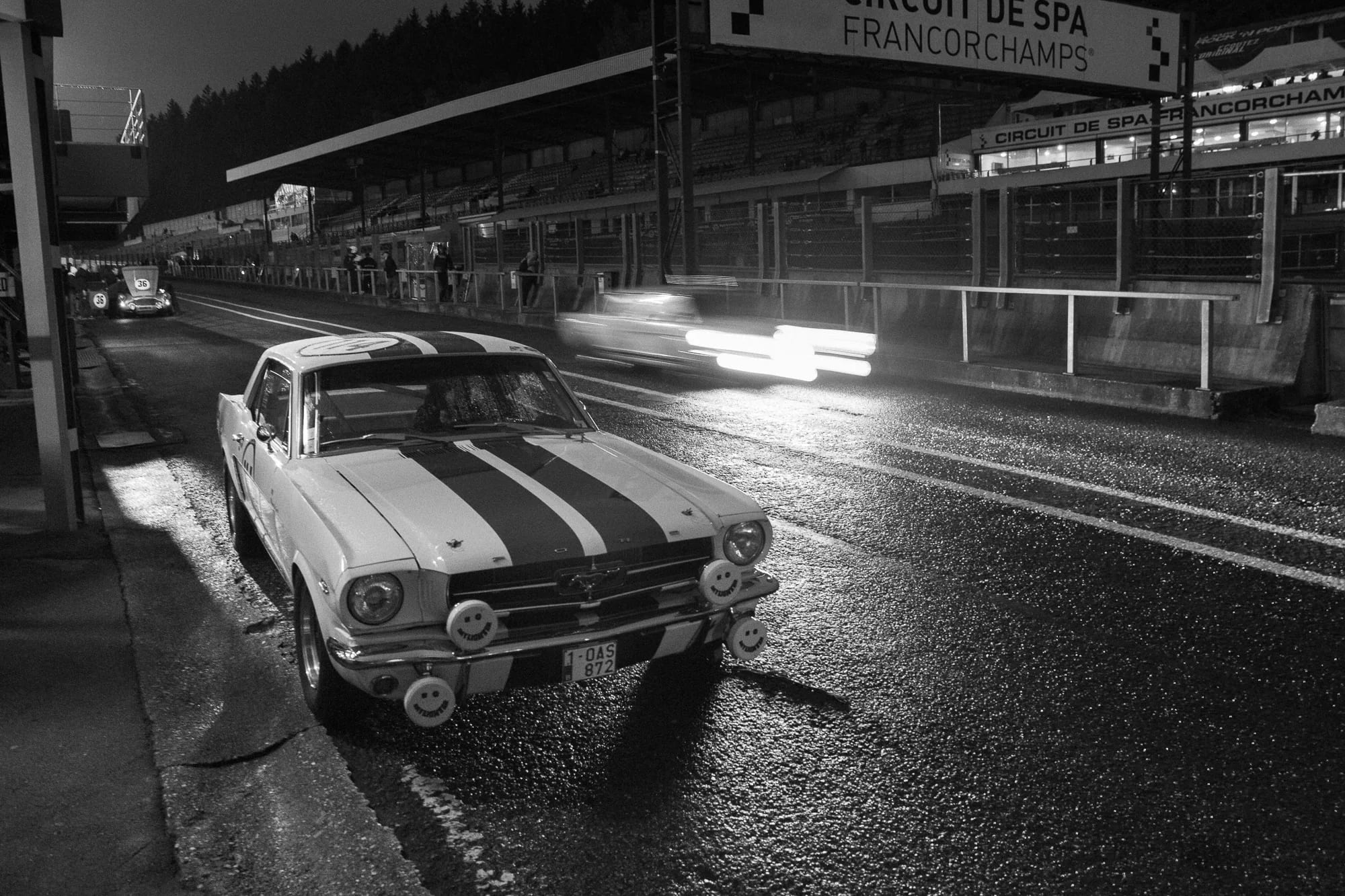
At that time, Spa-Francorchamps becomes a unique place where you can stand in a dark, rain-soaked pit lane at nine o’clock in the evening and watch a driver climb into a loud, fire-spitting machine like a Shelby GT350 and roar away from a narrow, old pit lane.
Almost exactly as they did sixty years ago.
Welcome to Spa Six Hours. A time machine.
First Things First
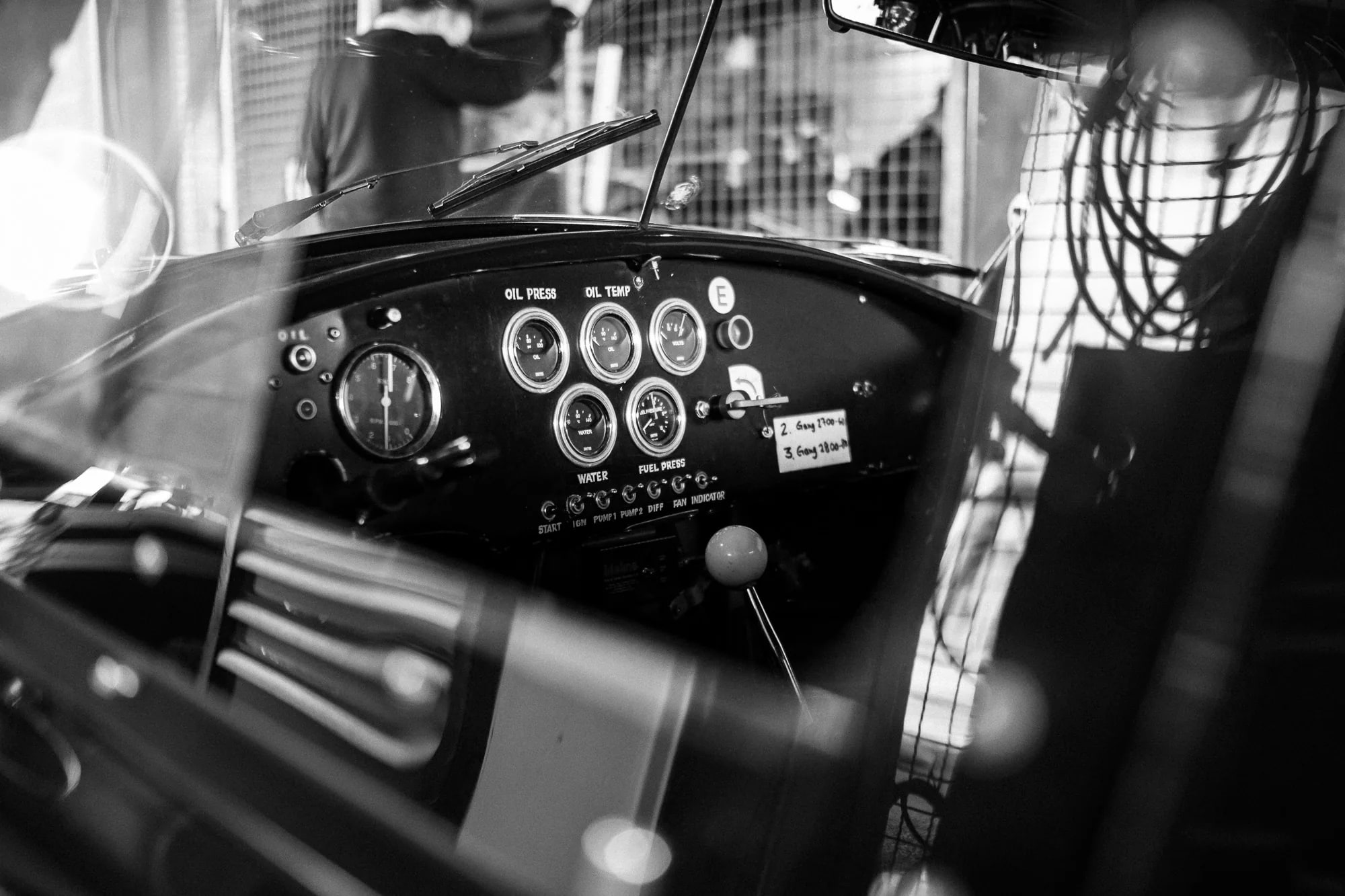
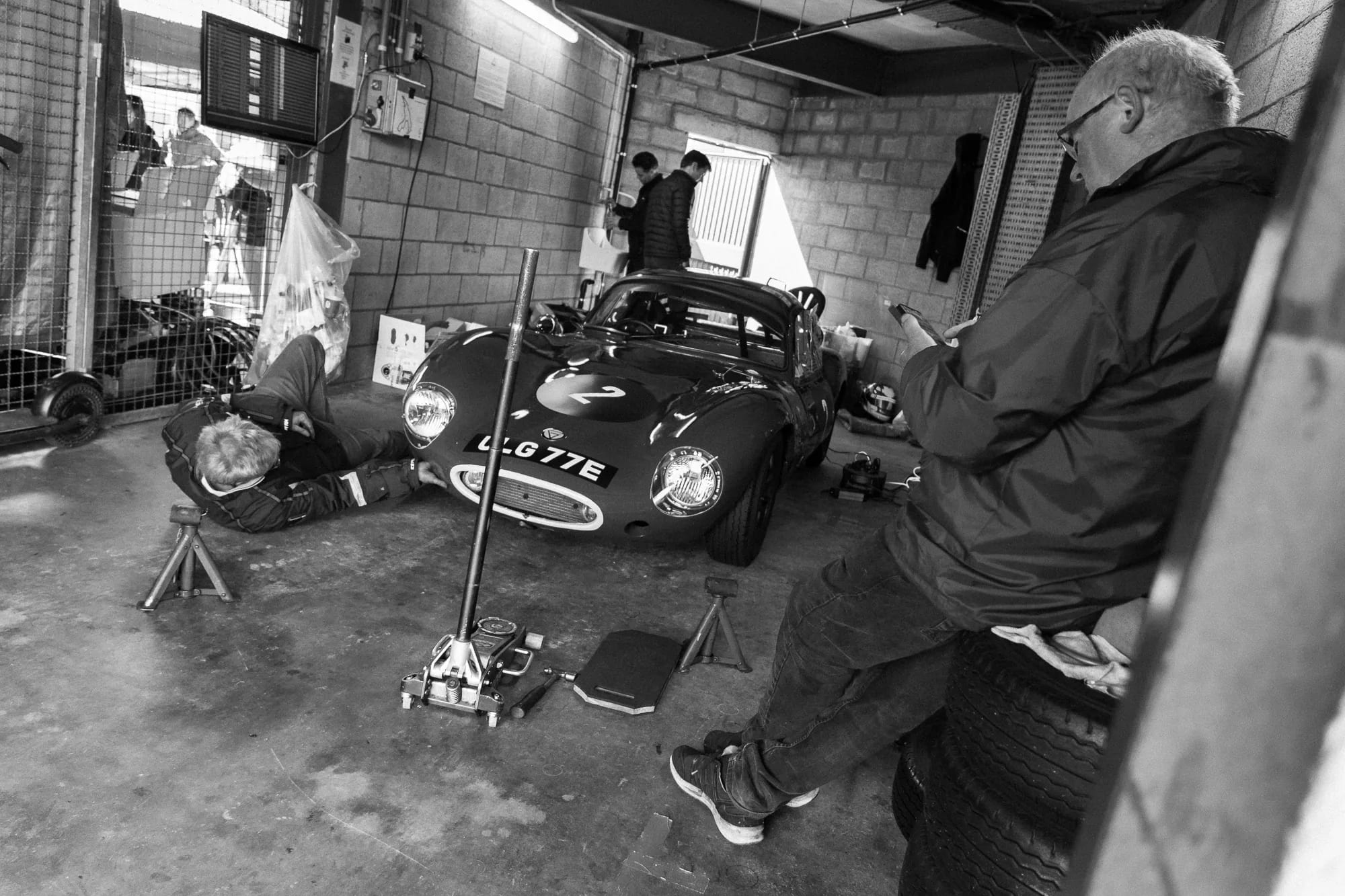
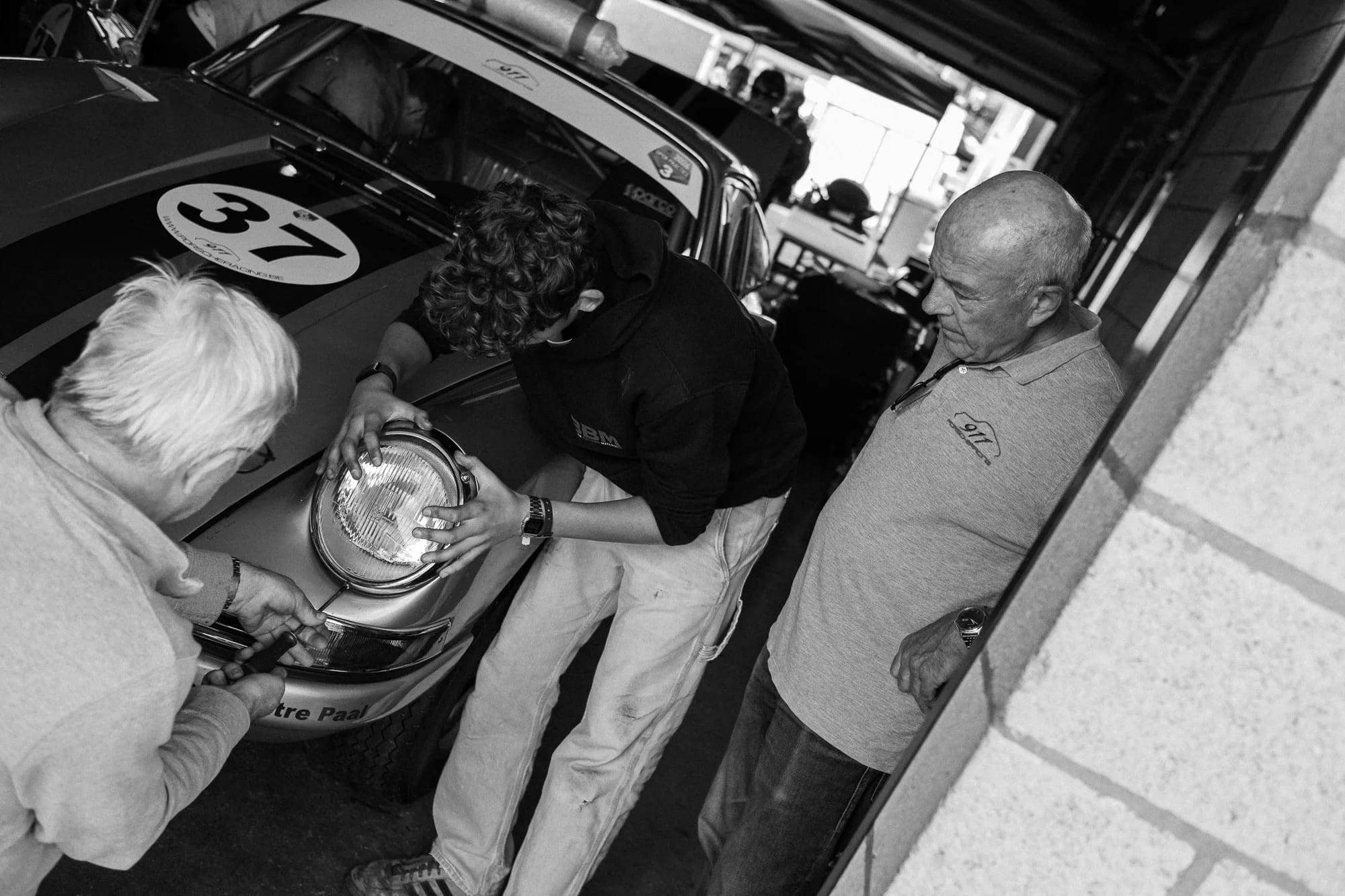
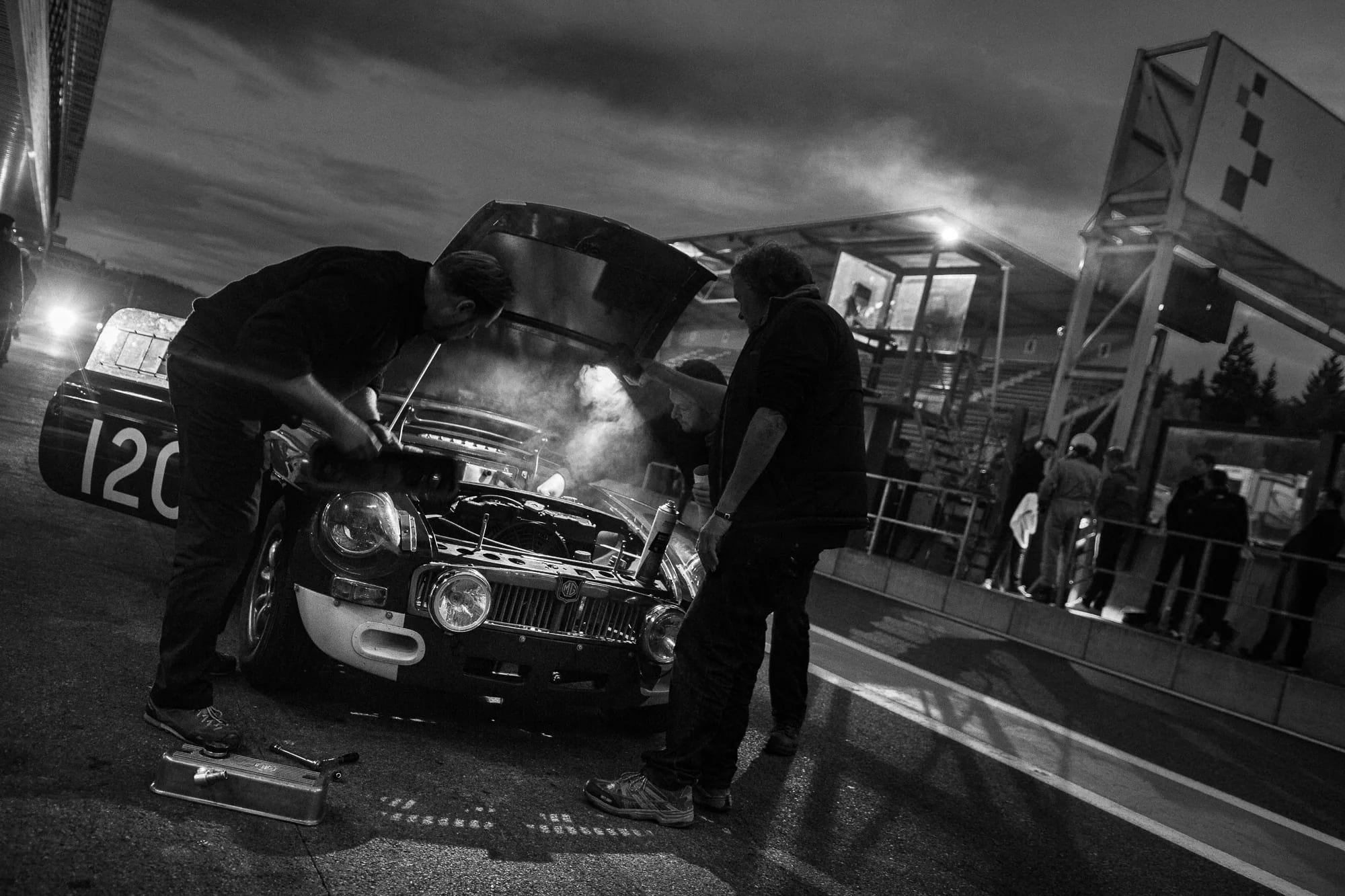
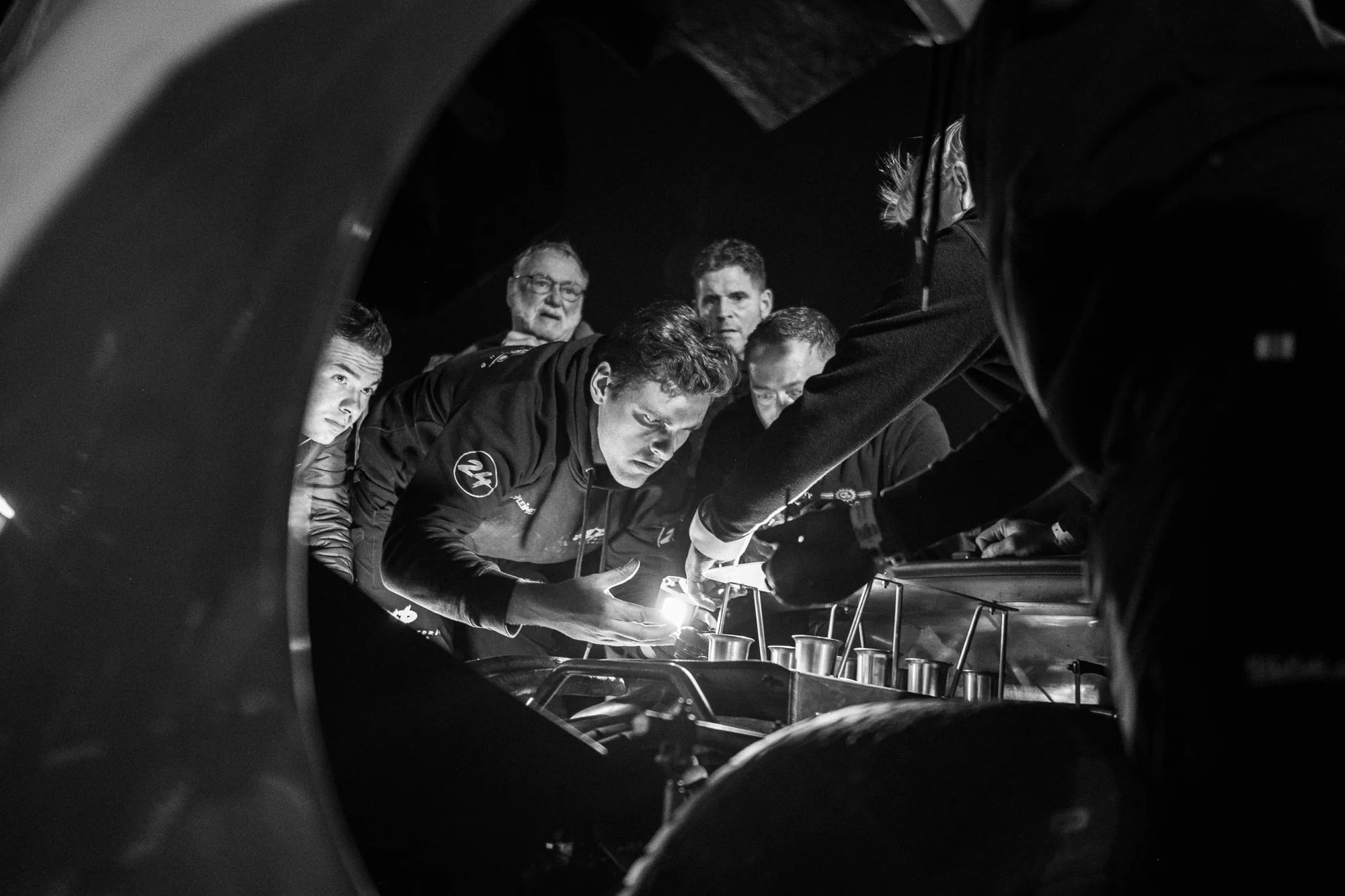
Long before the grandstands fill, mechanics are already at work over open engine bays.
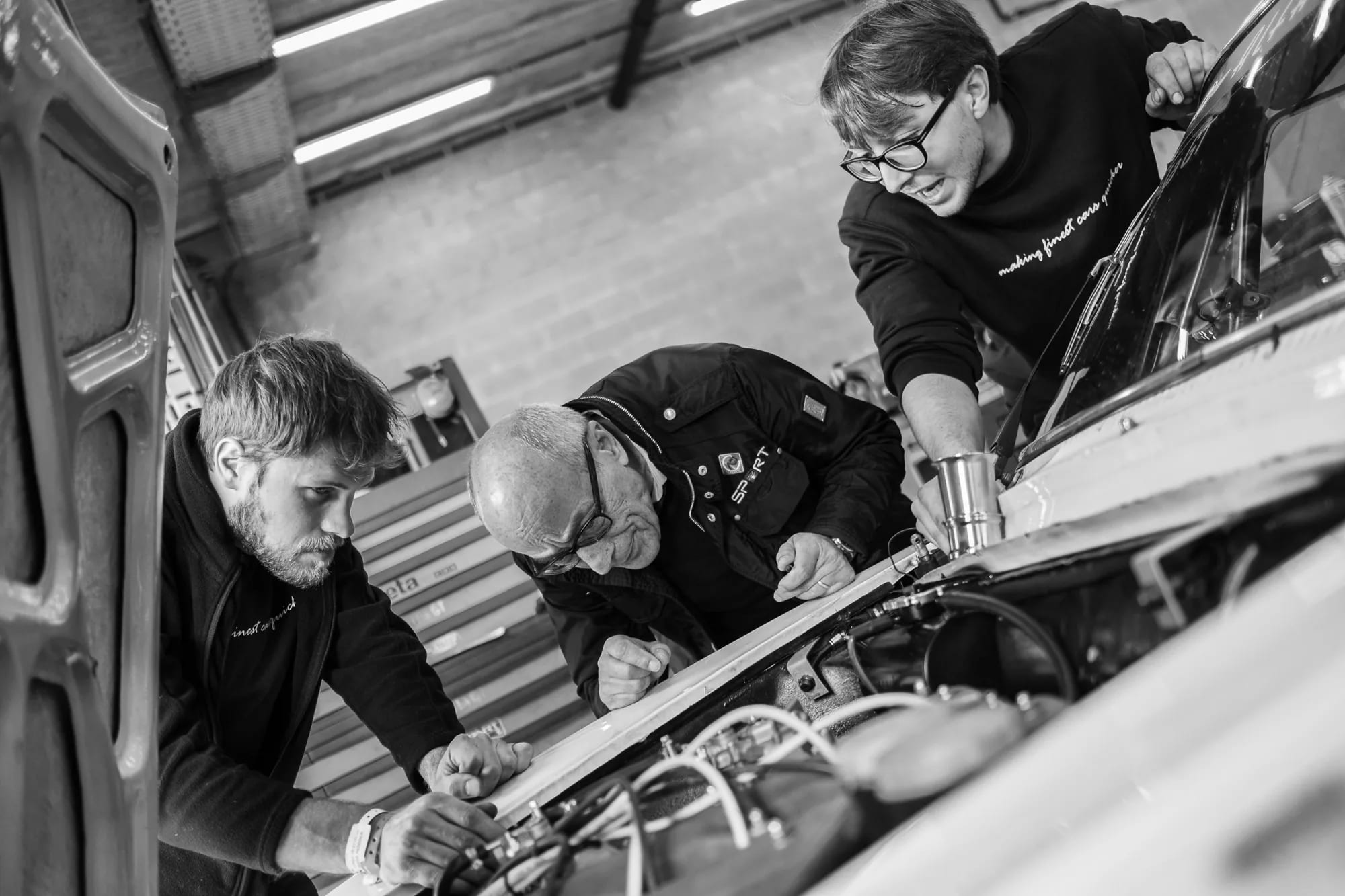
There is the sharp smell of warm oil and the steady clink of hand tools.
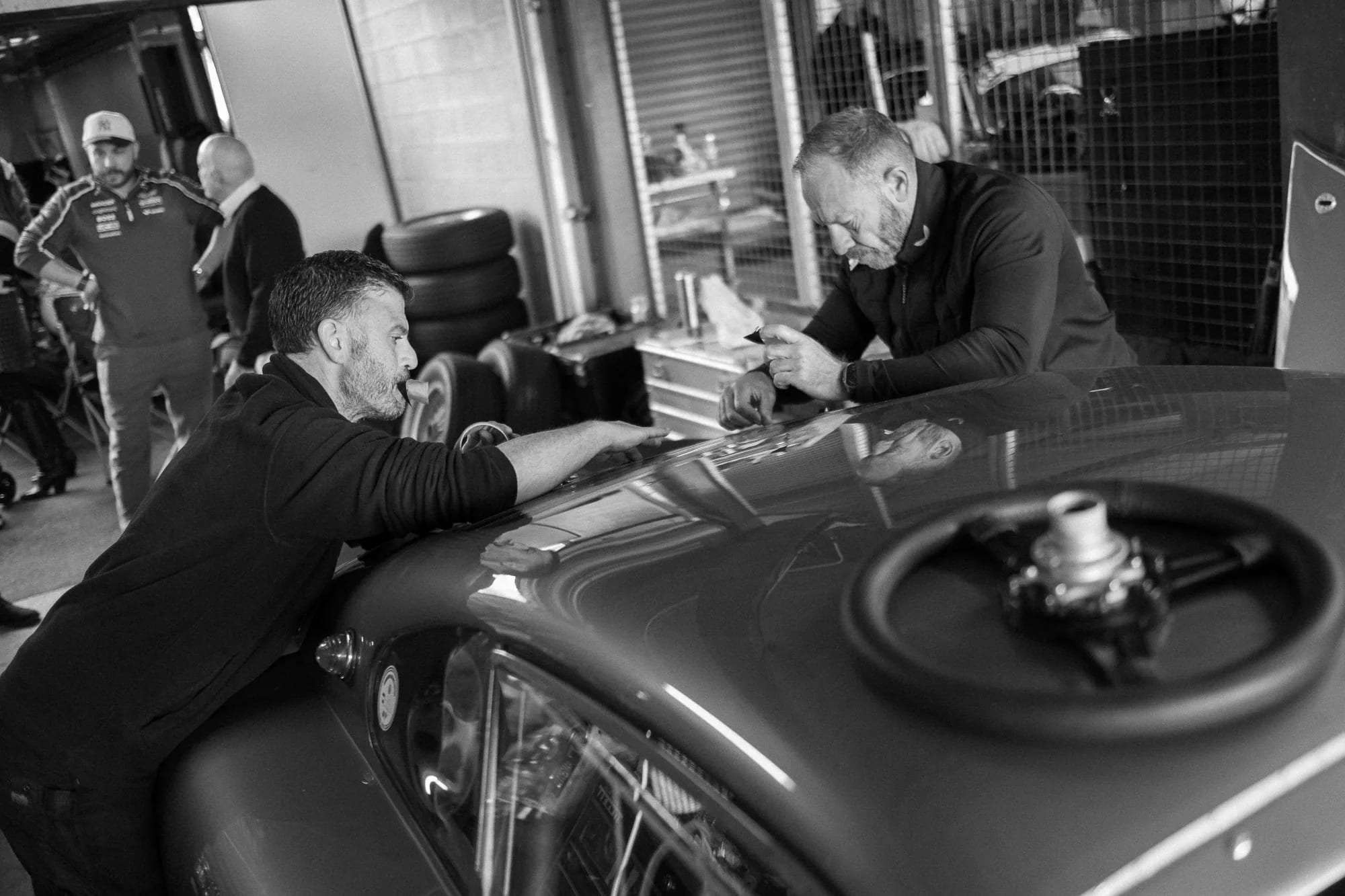
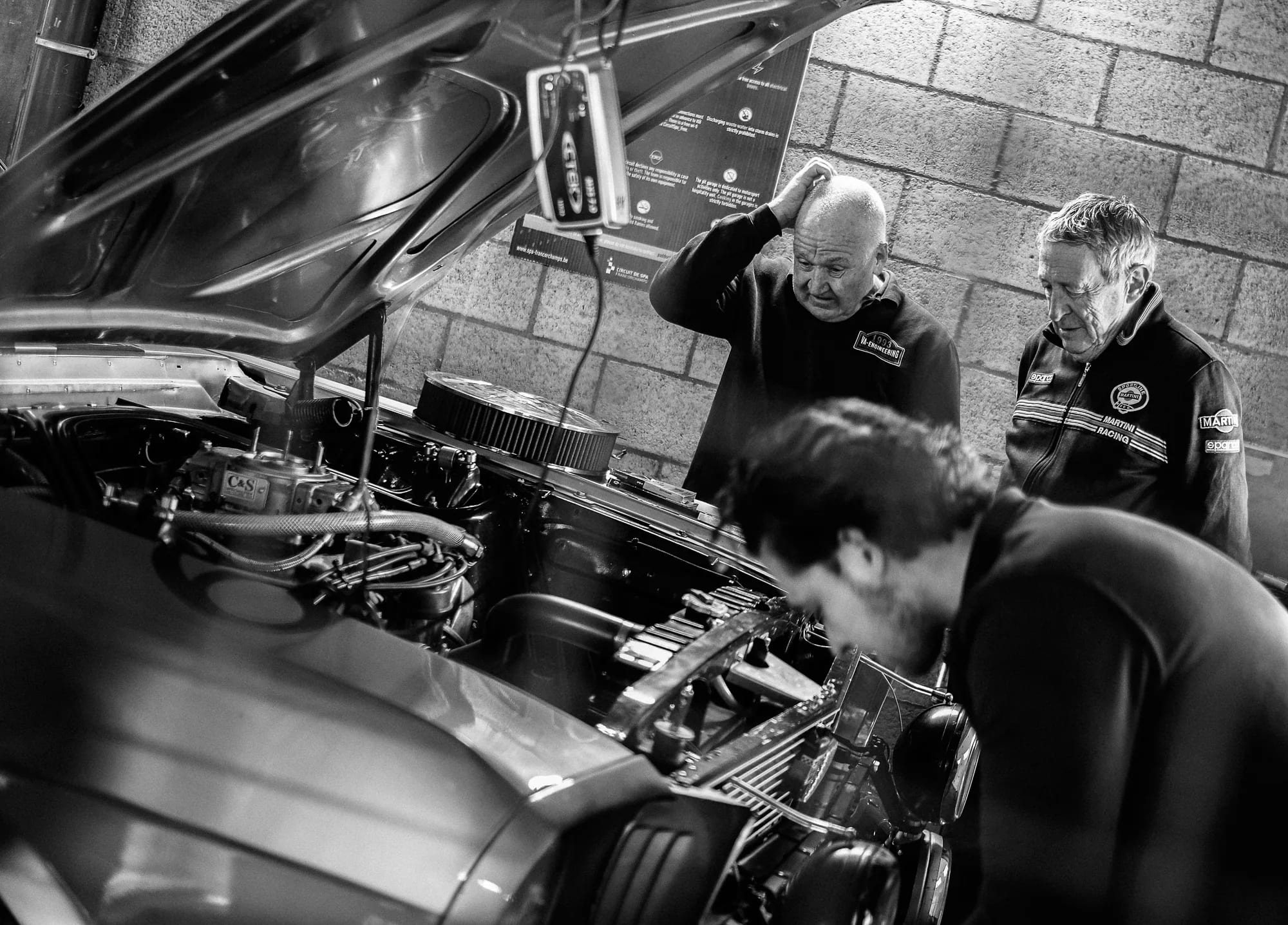
Teams spend all their time coaxing sixty-year-old machines back to life before the race begins.
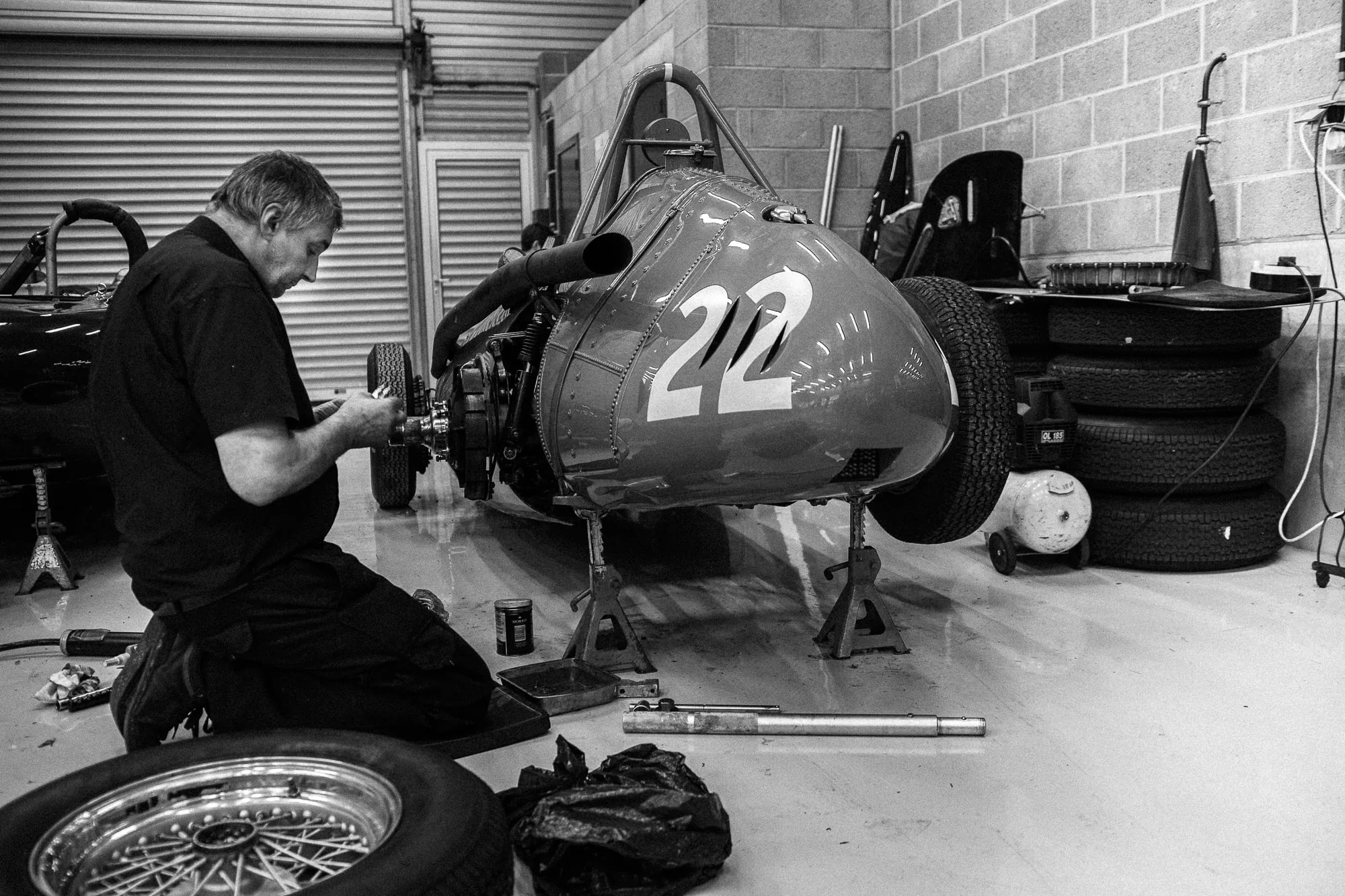
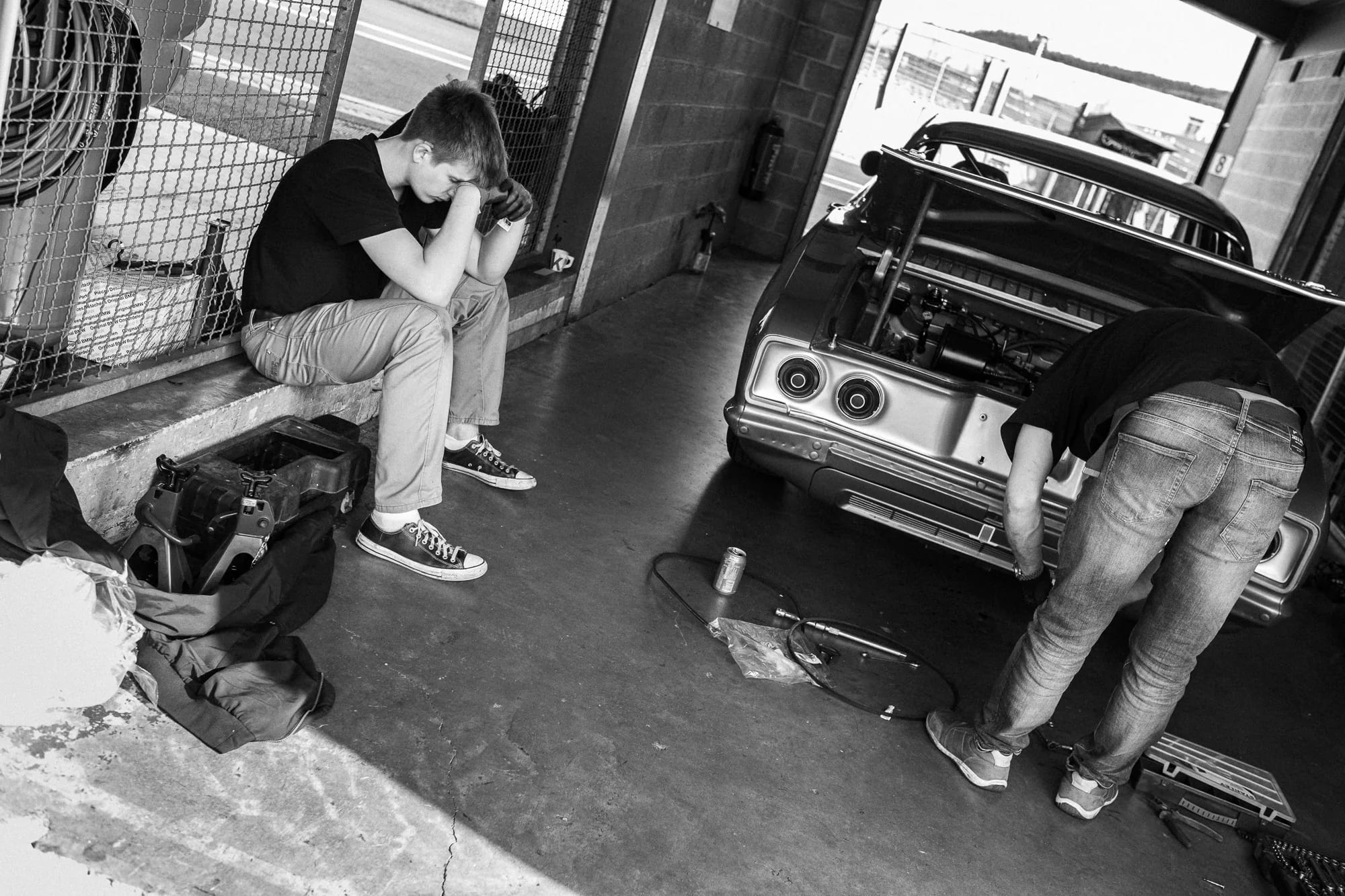
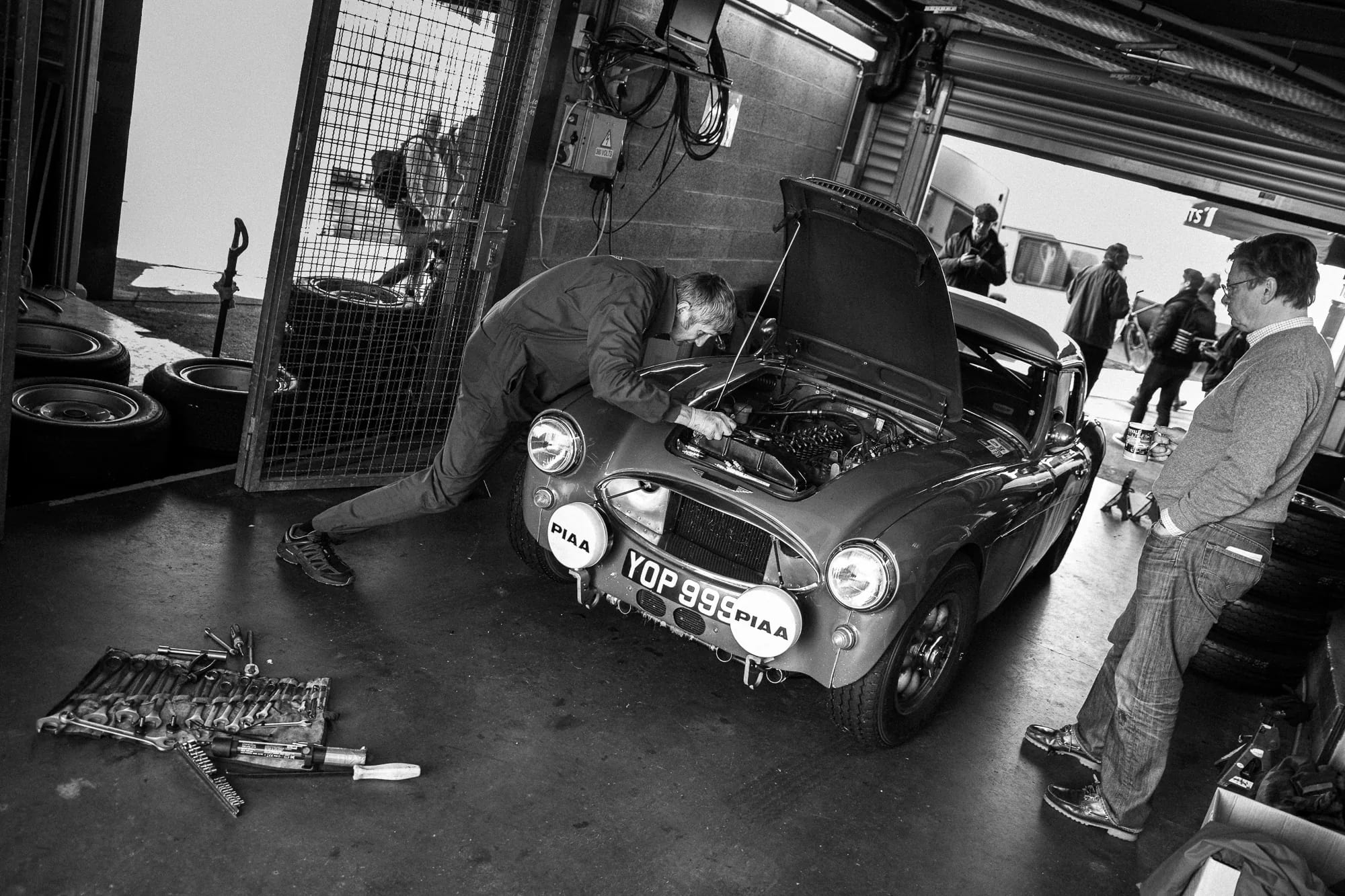
Preparation is everything, because when racing a classic, what can go wrong, will.
Waiting for a Storm
Early afternoon, and the countdown to the start is on.
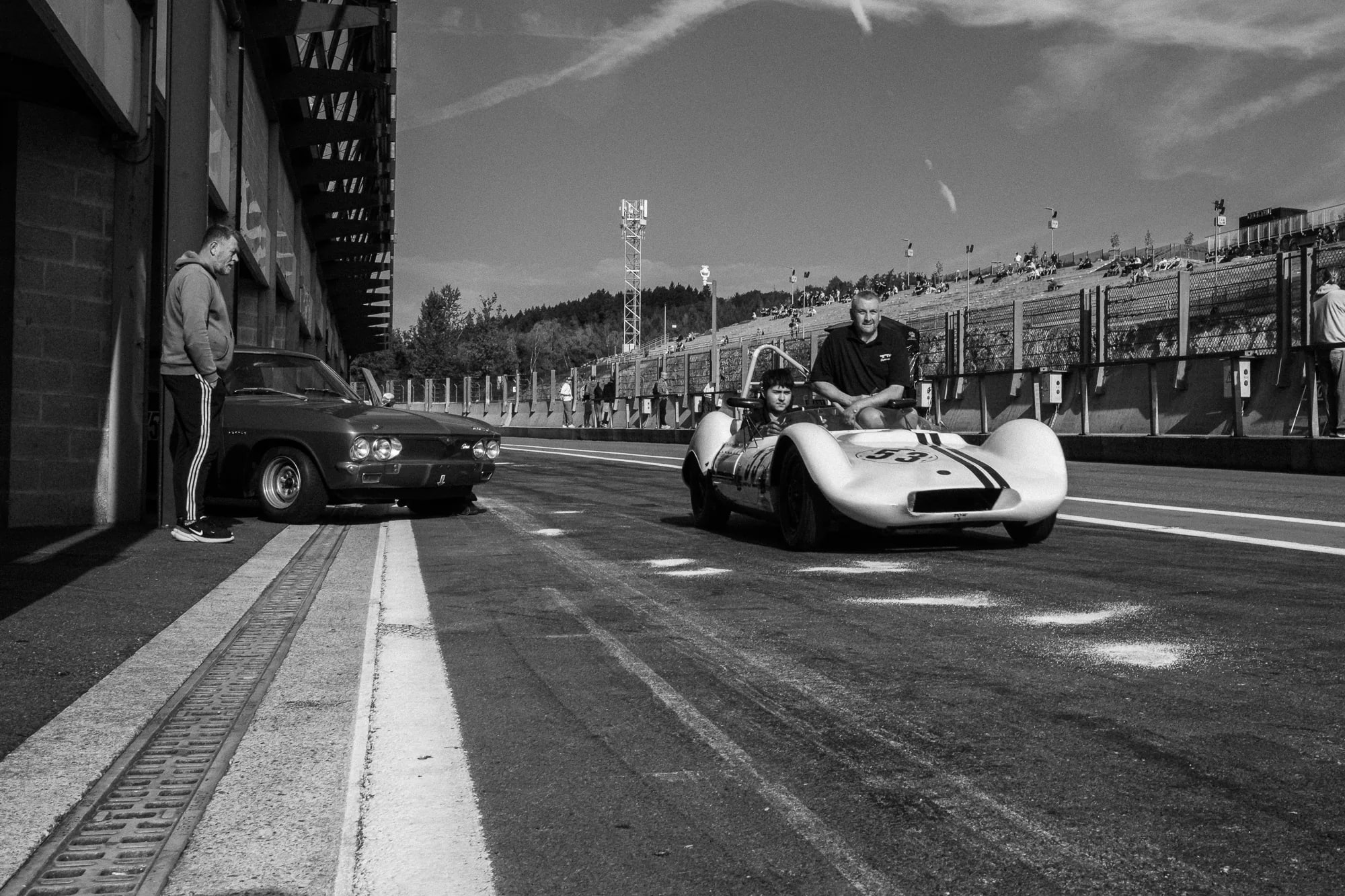
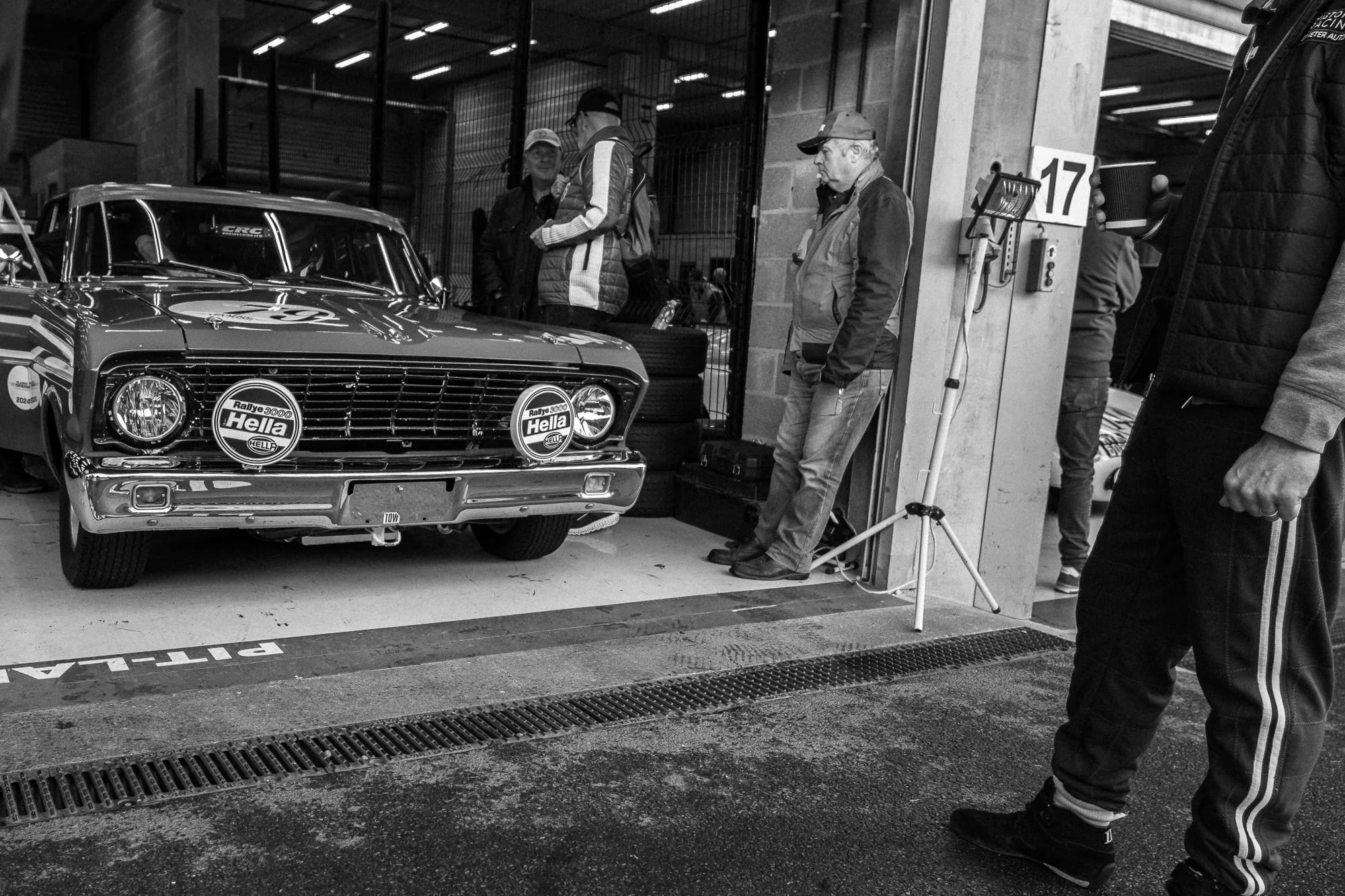
There is a distinct, quiet anticipation in the air as the historic cars sit ready in the pit lane, waiting to move.
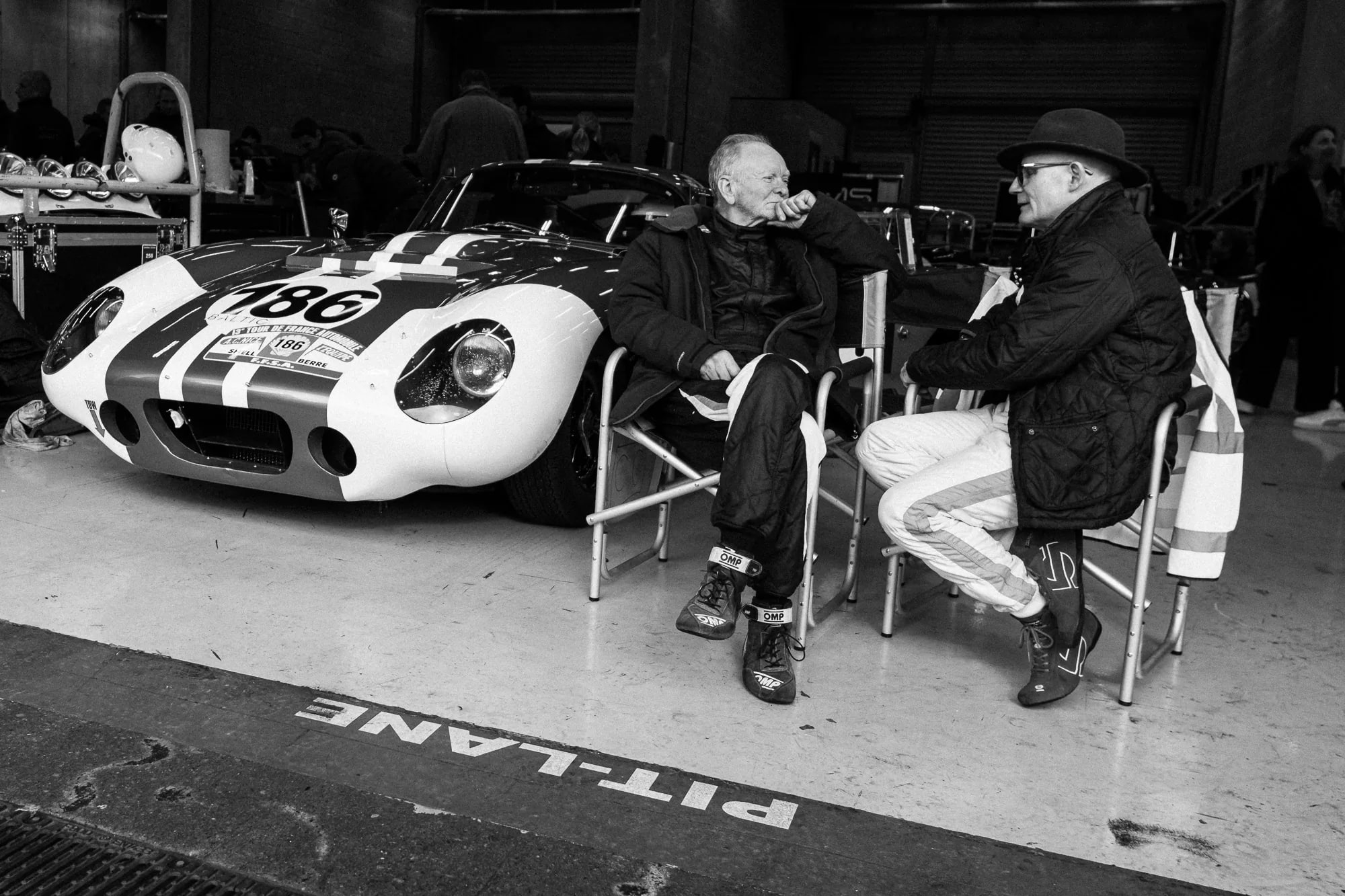
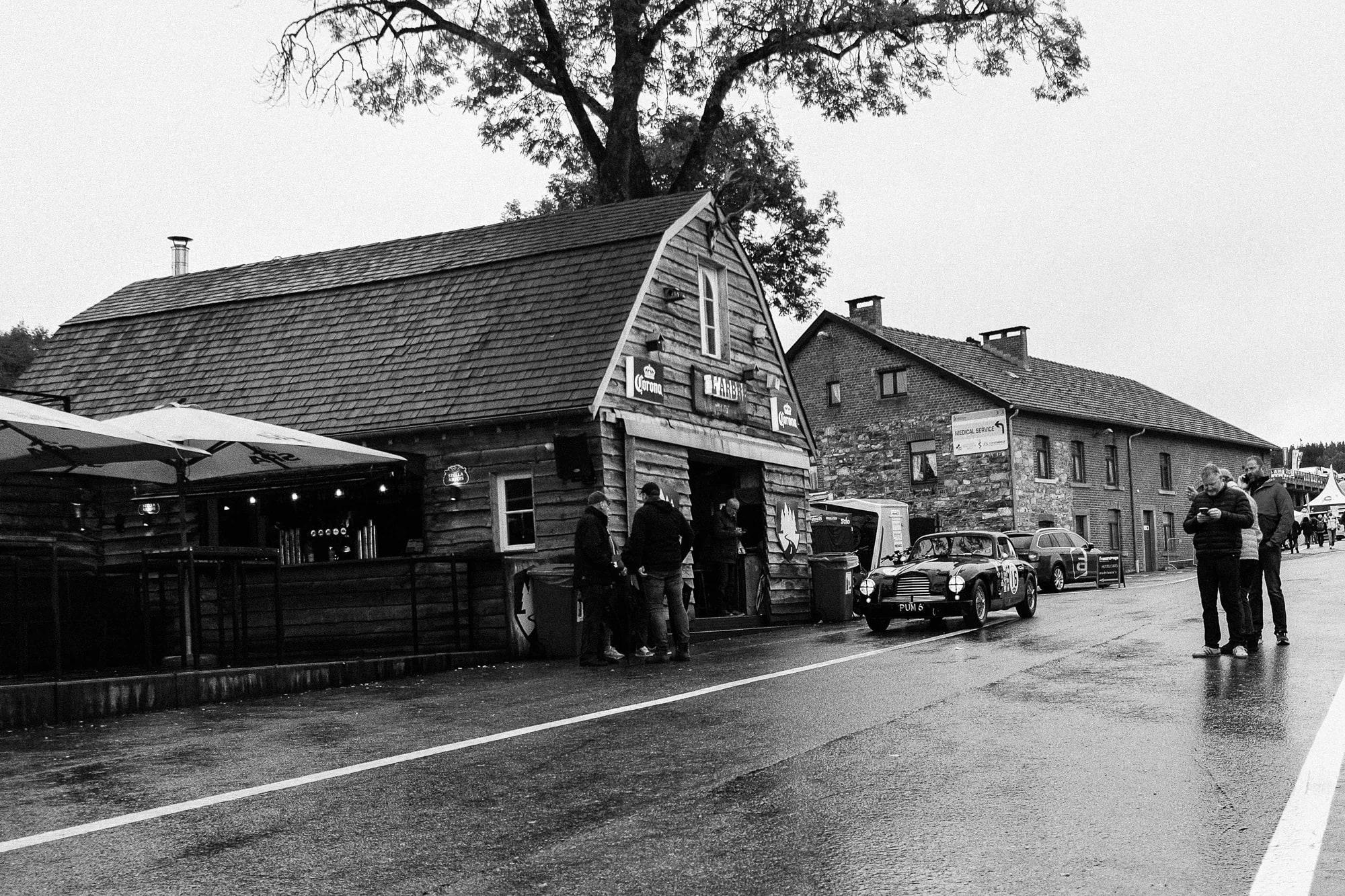
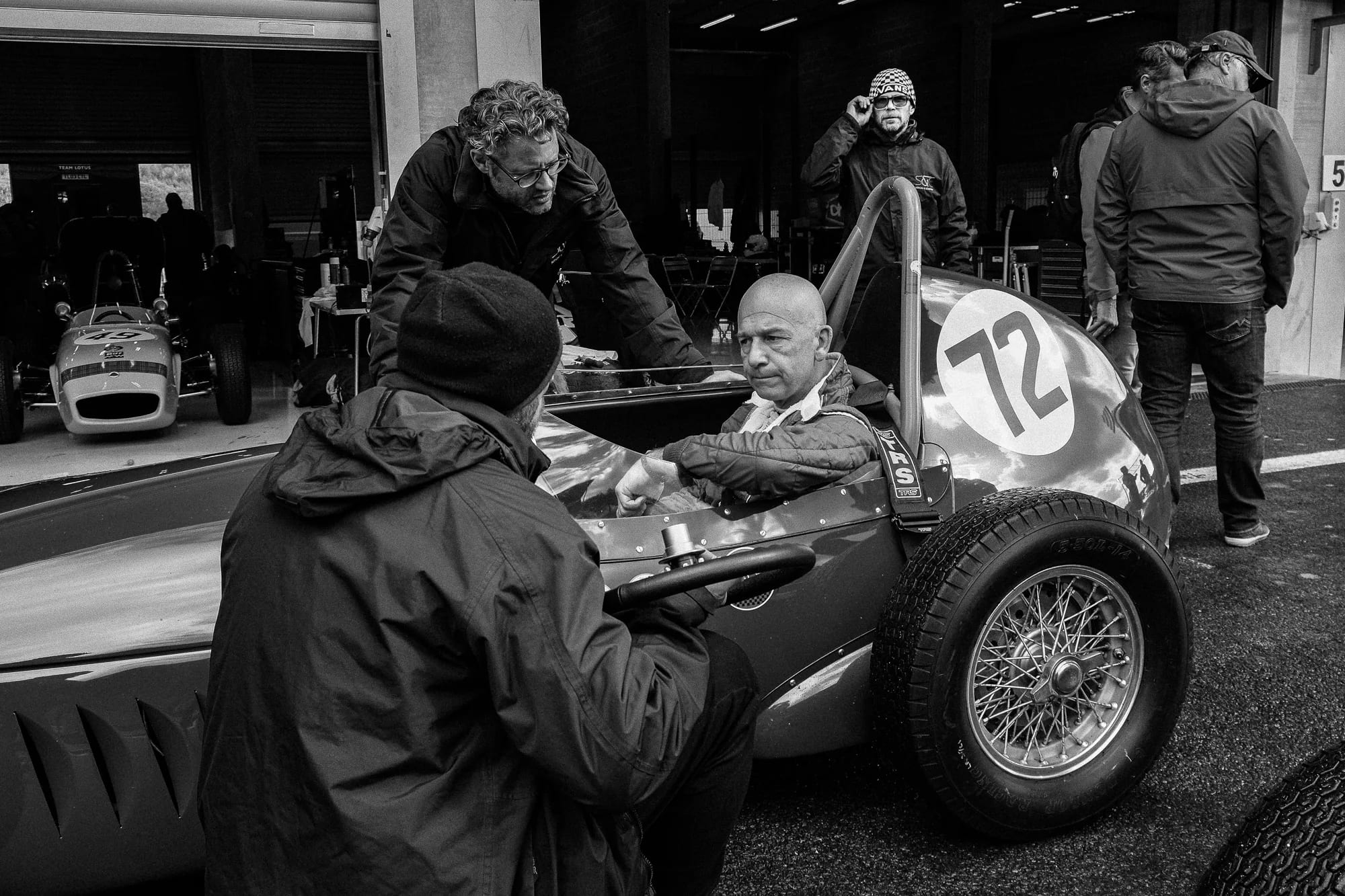
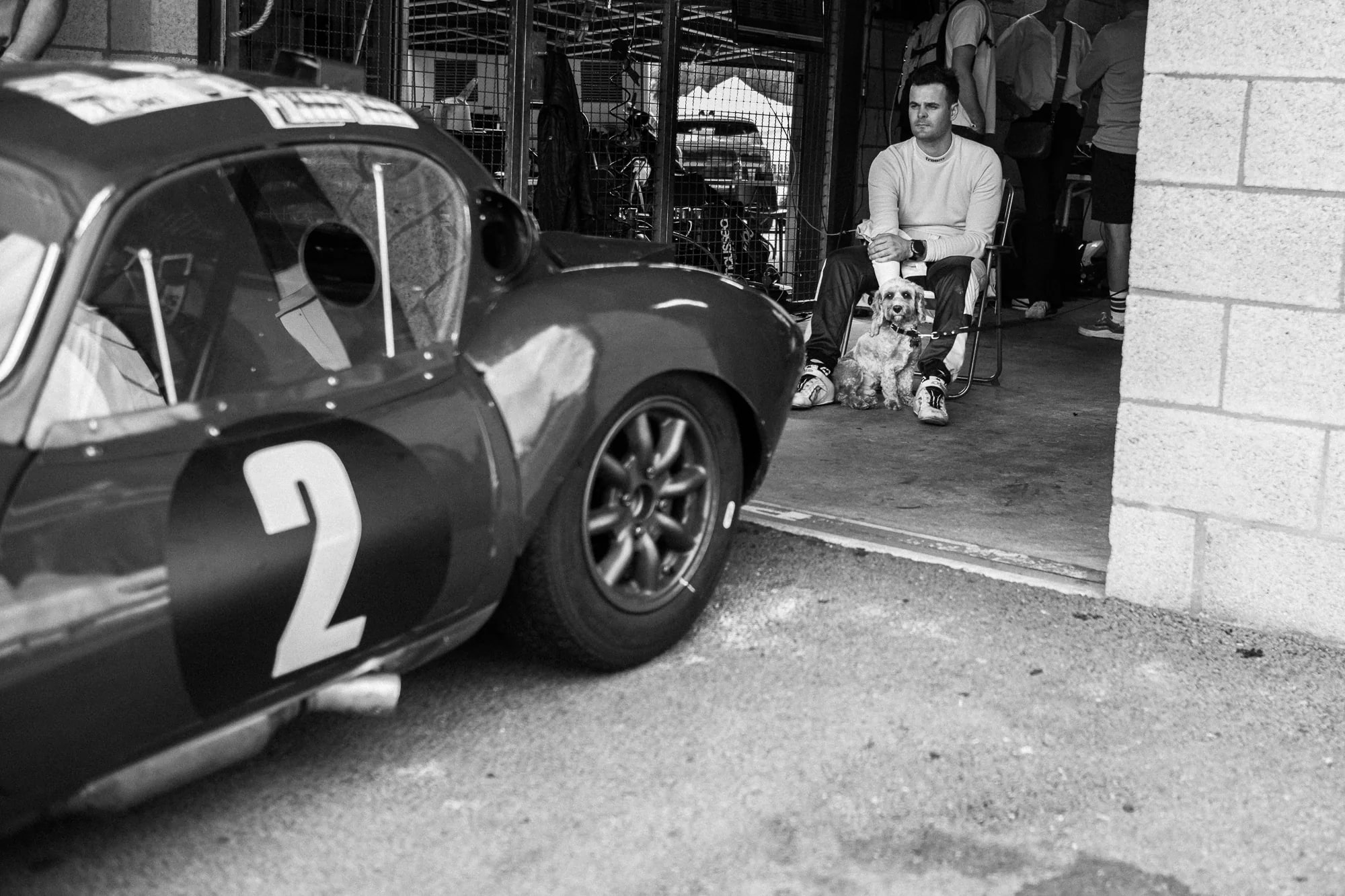
In the garages, drivers rest or go over strategy, while teams make their final adjustments.
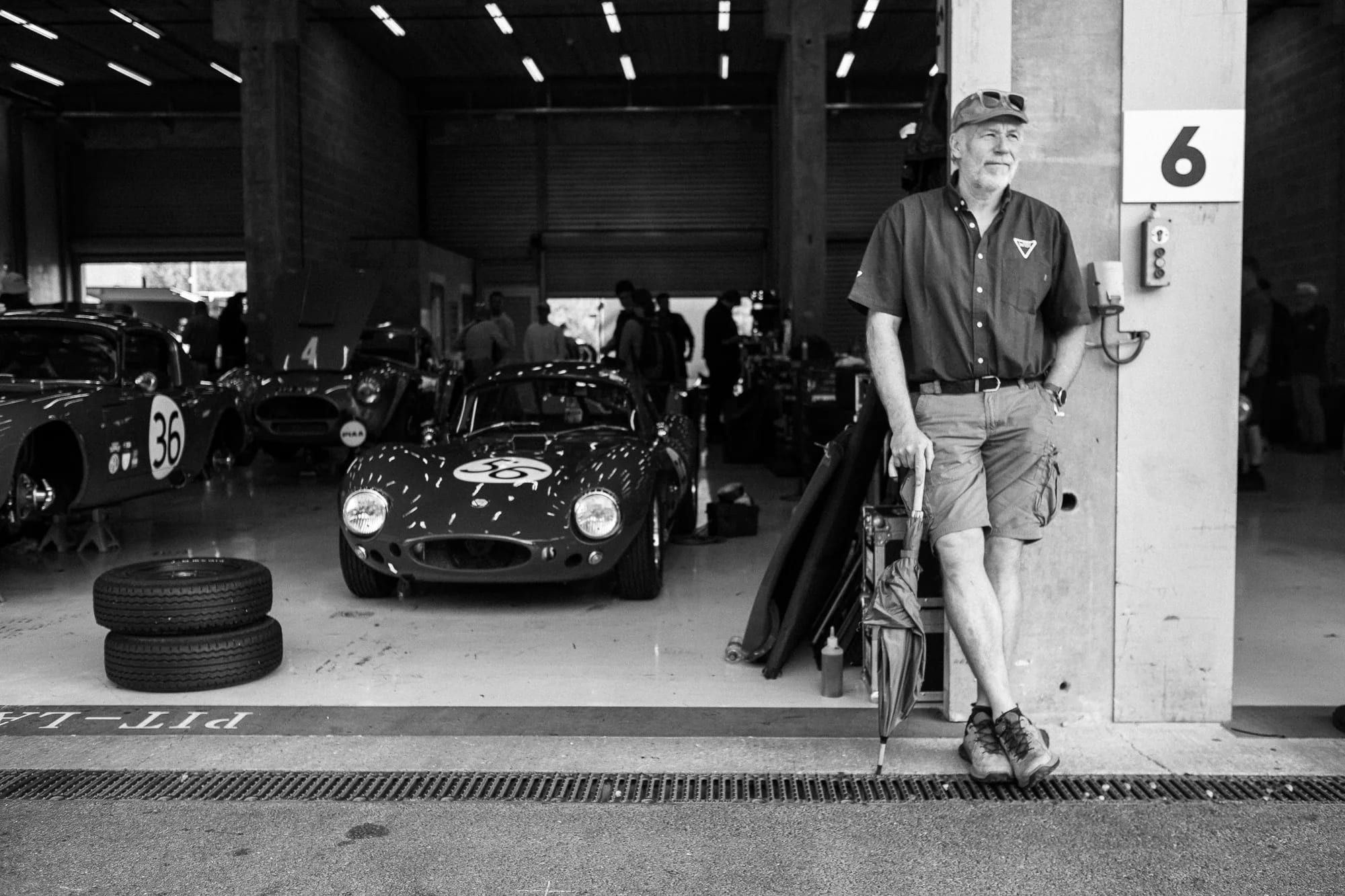
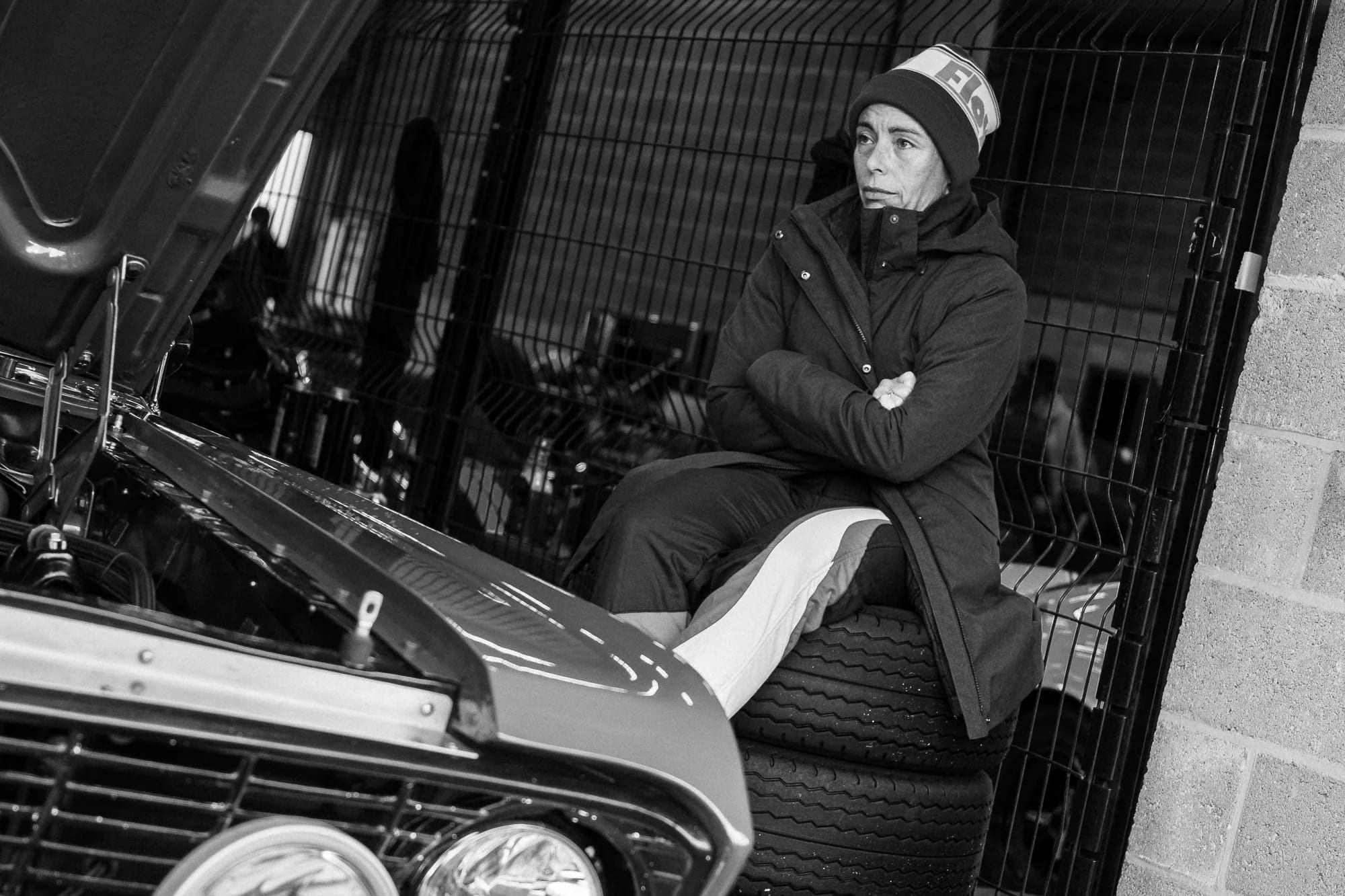
At the Spa Six Hours, famous drivers and fans share the same open paddock.
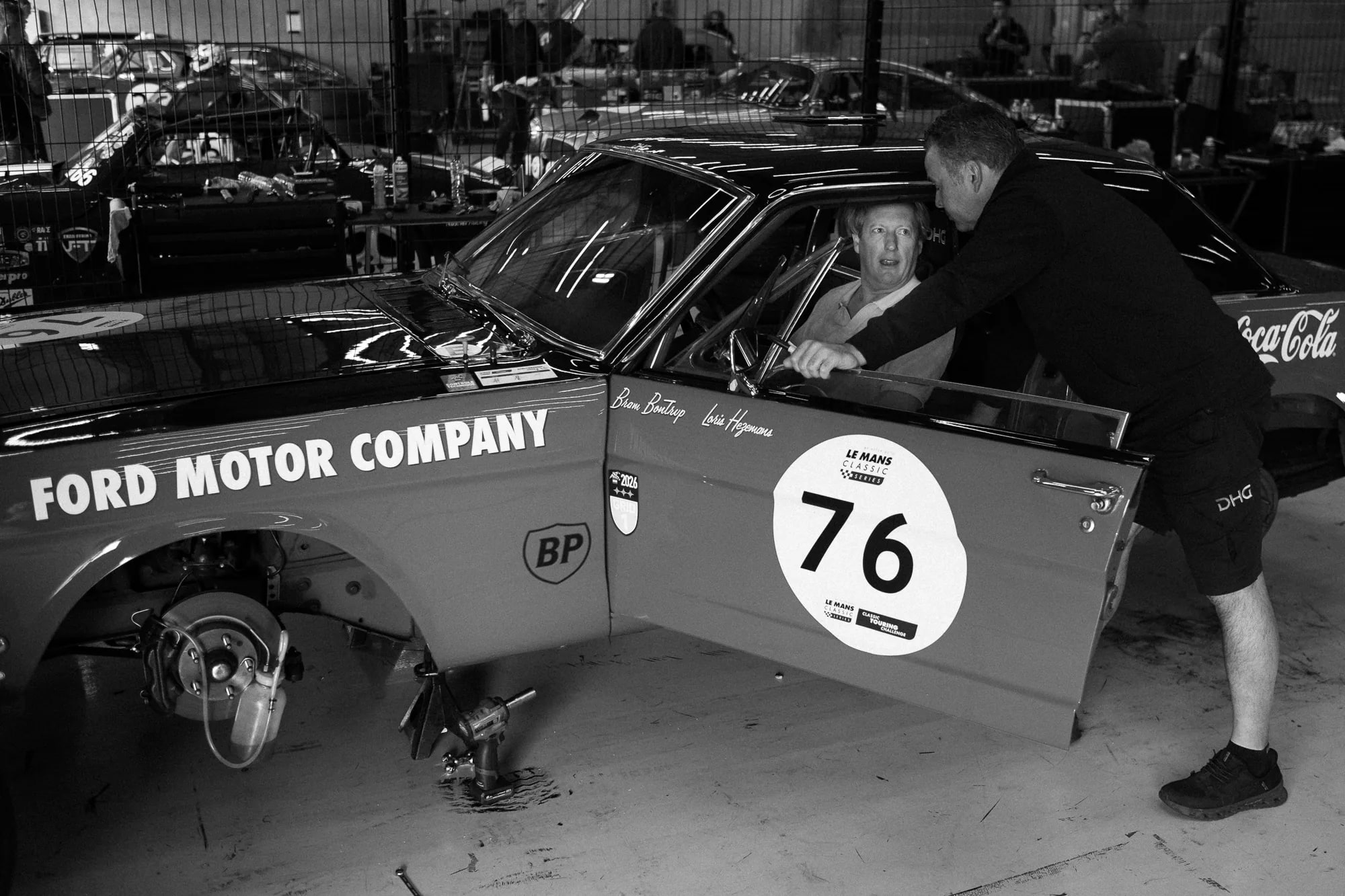
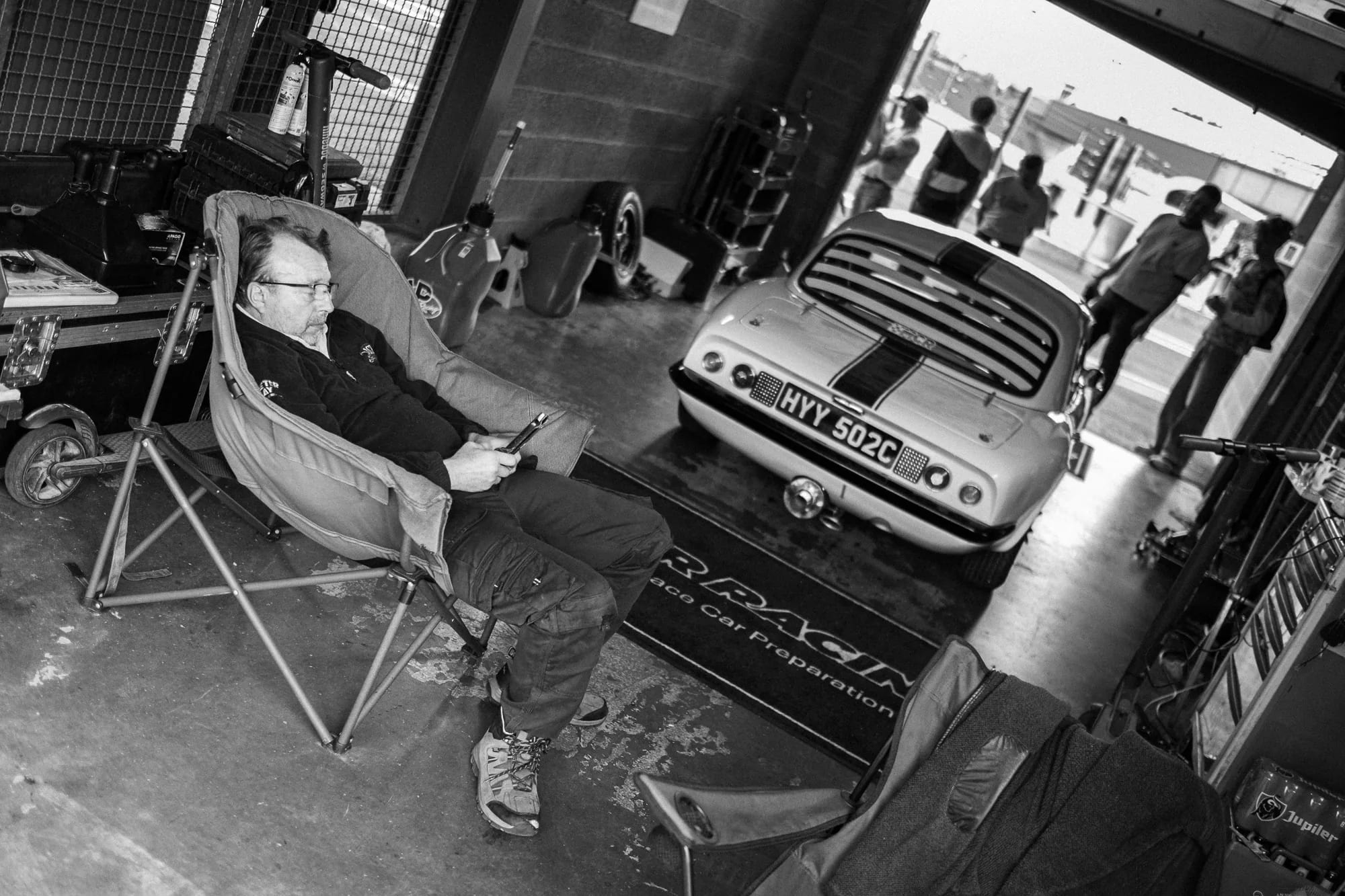
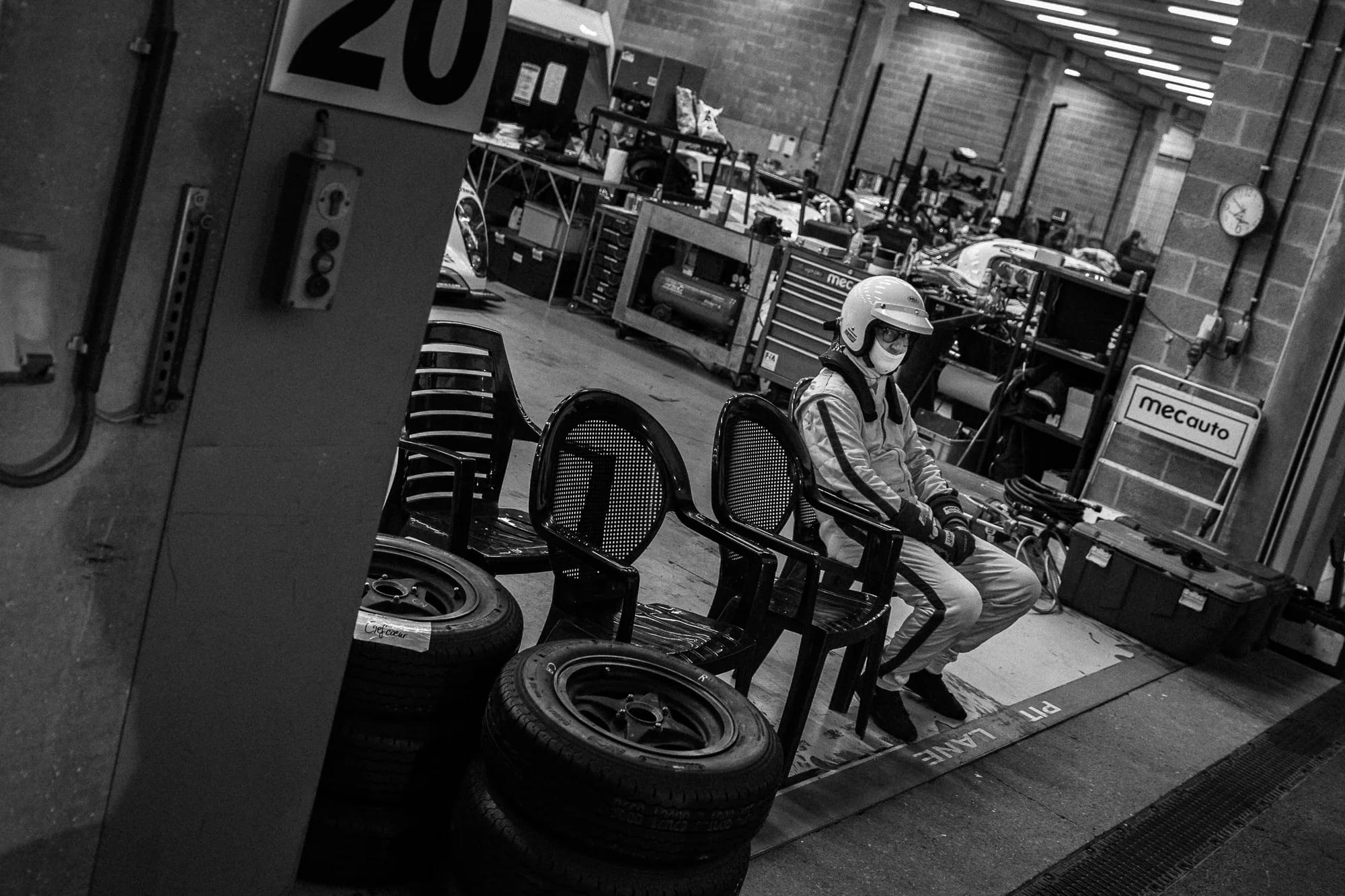
In the last quiet hour before the green flag, the garage settles into a brief, uneasy calm.
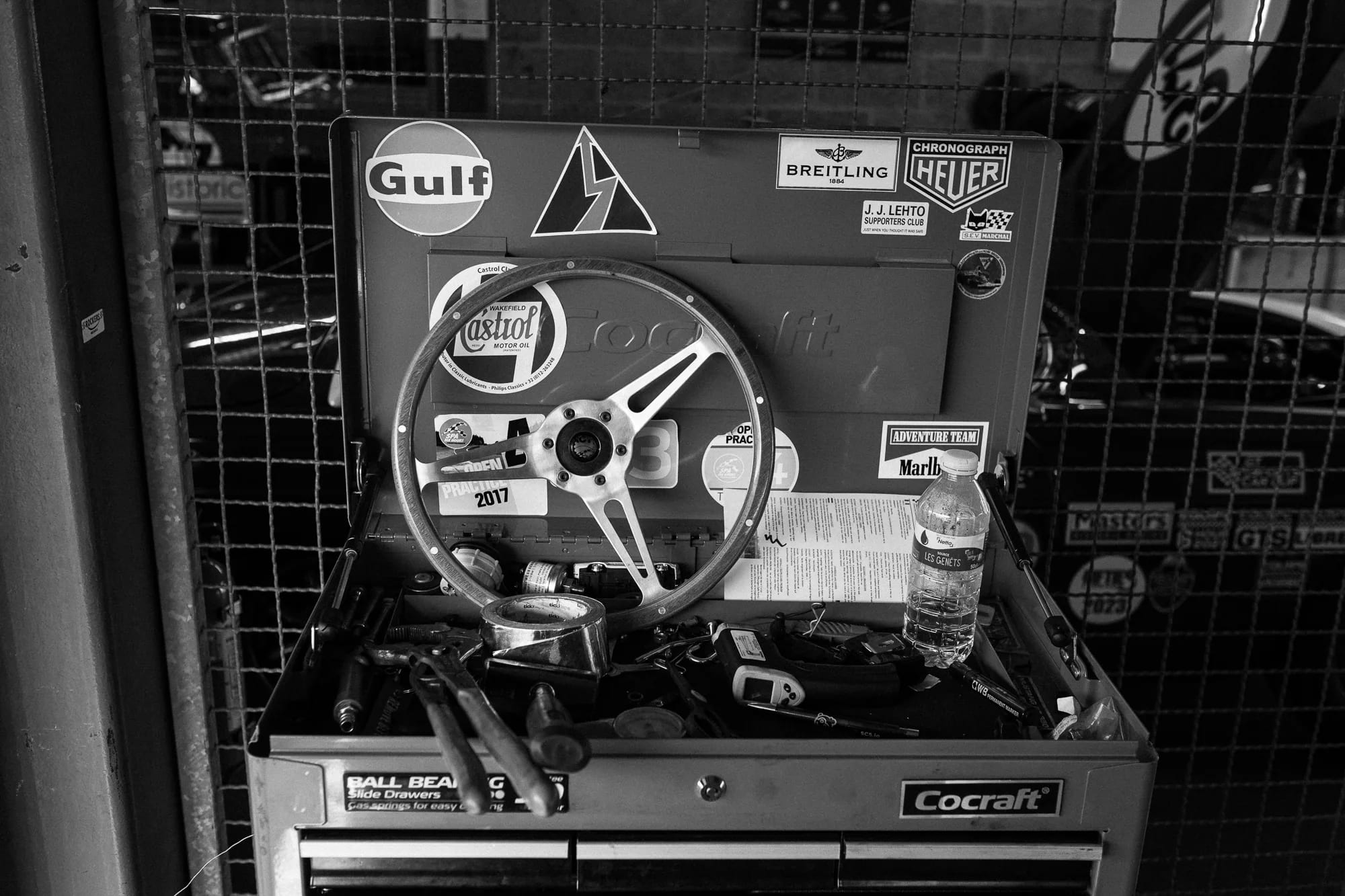
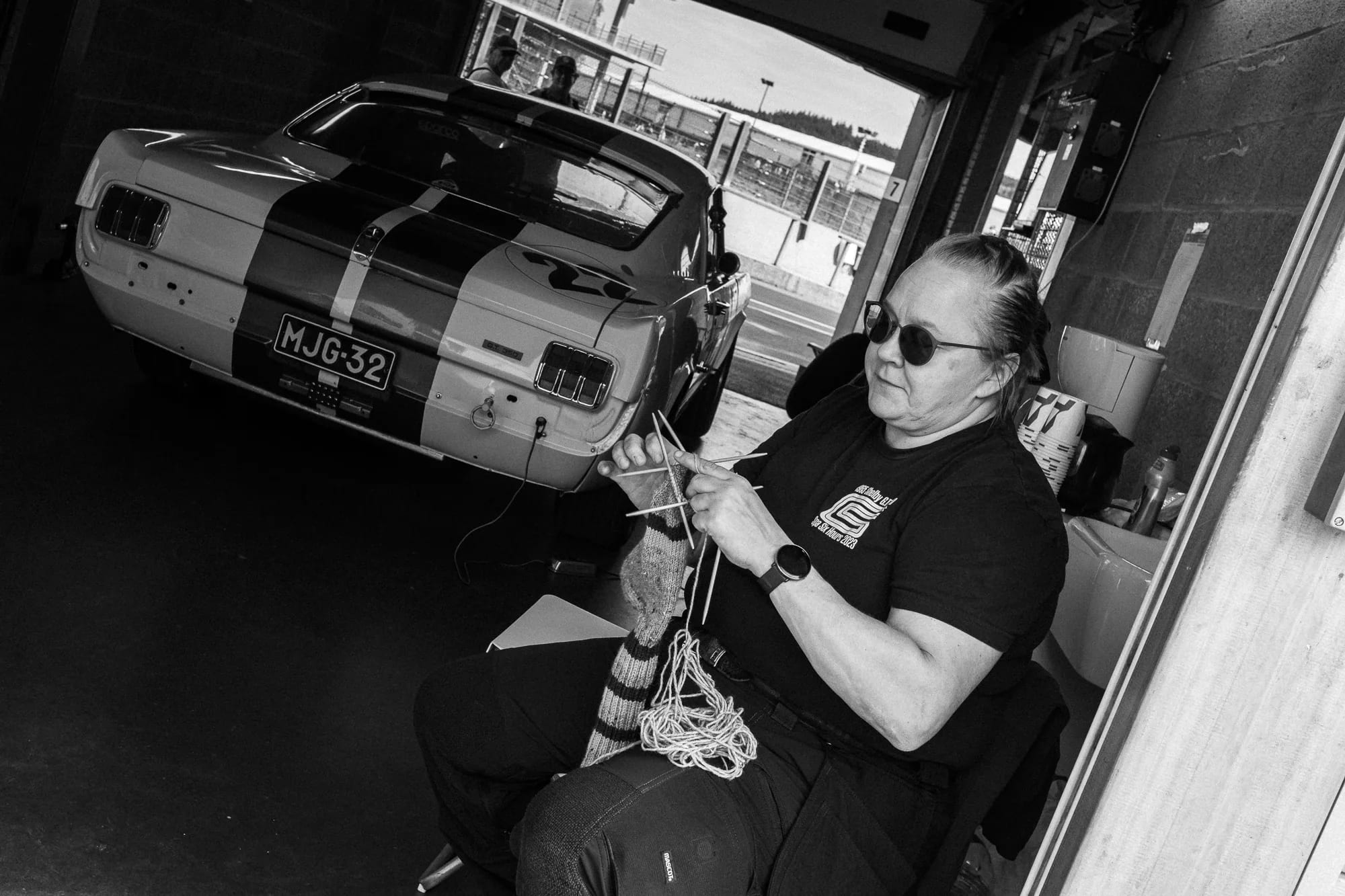
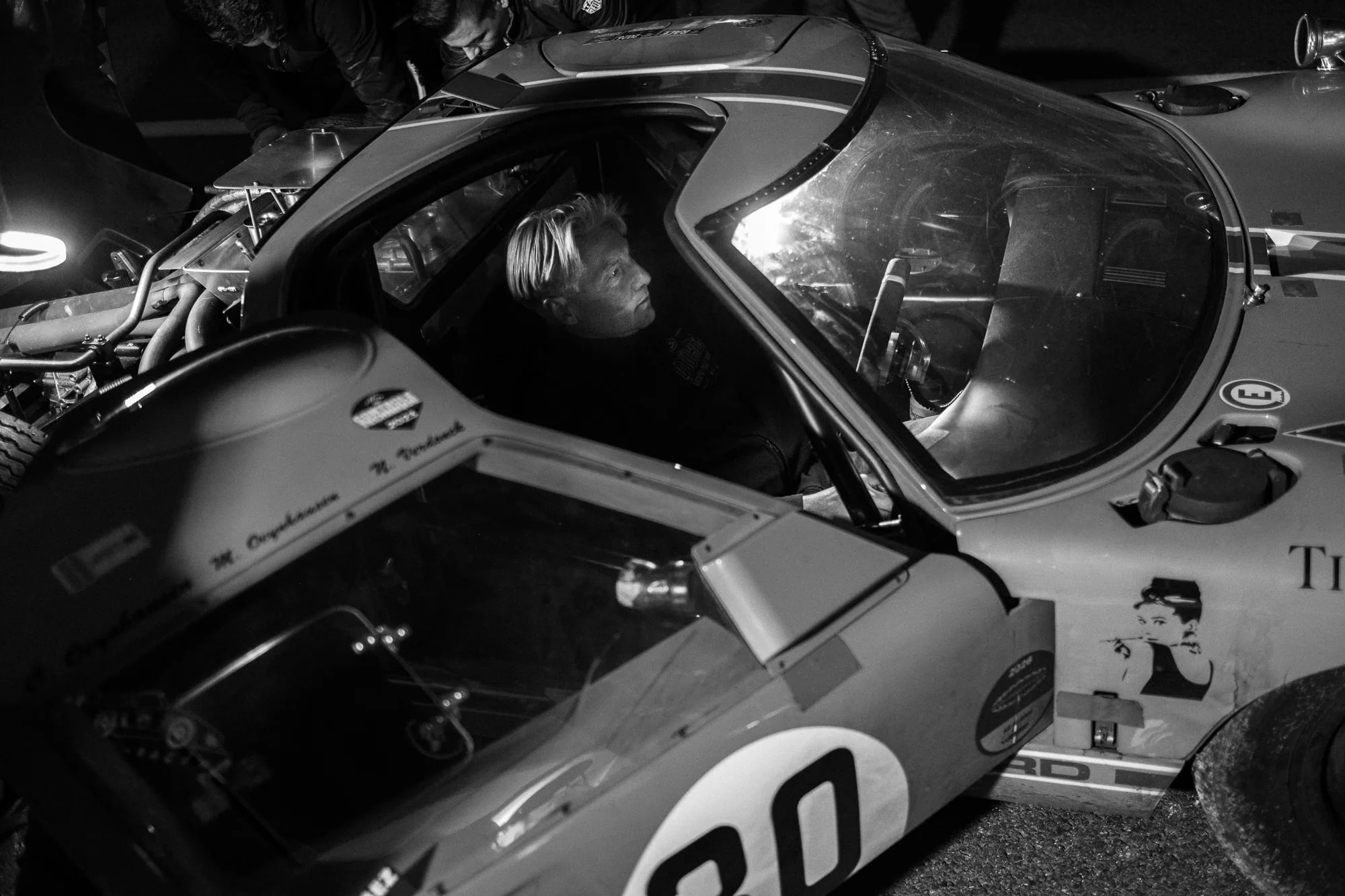
At some point the car is ready and the tools are set down. For a few moments, there is nothing left to do.
Action!
As the start approaches, the atmosphere shifts sharply.
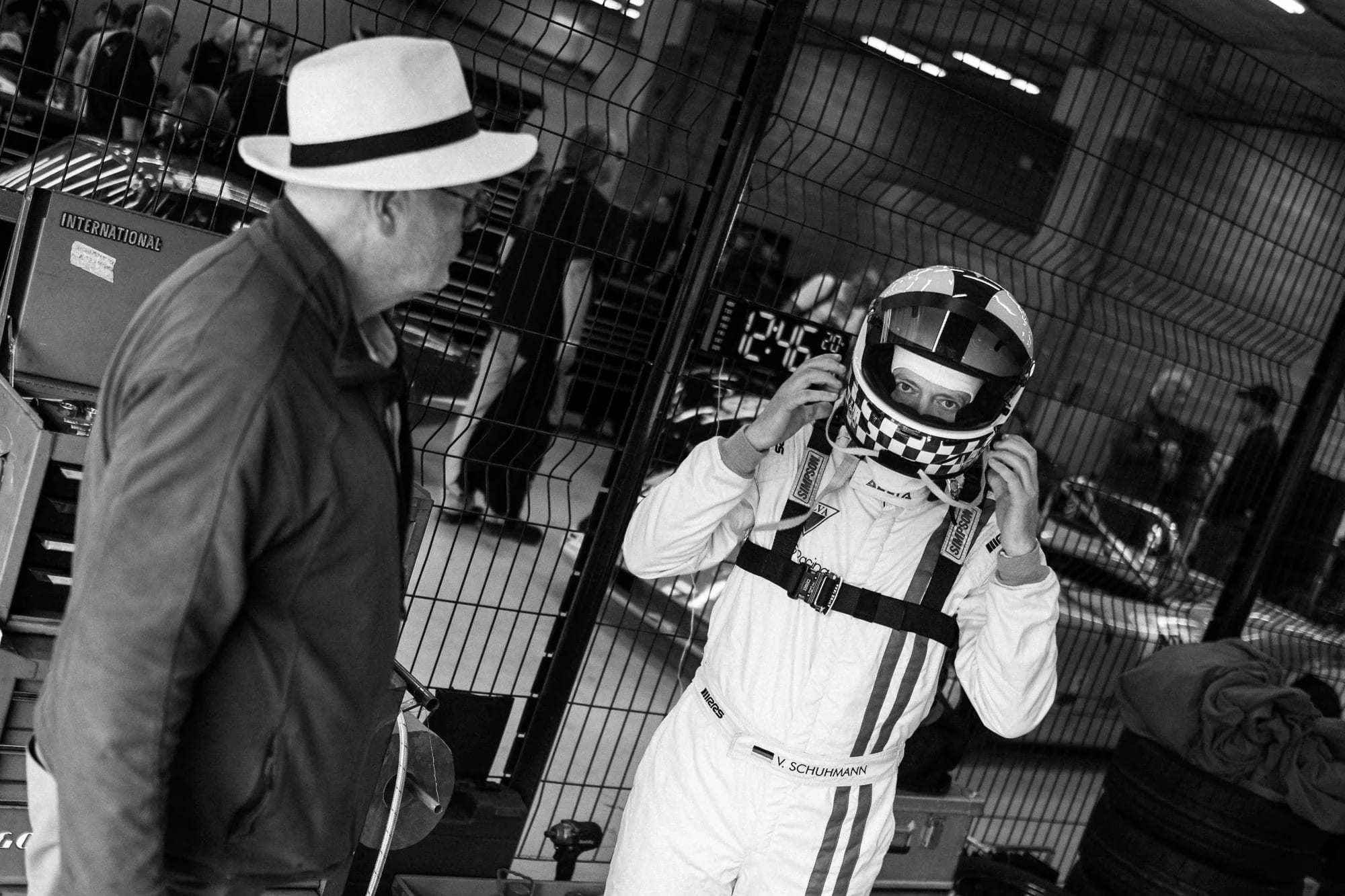
Cars roll out to form the grid. Drivers secure their helmets. The engines roar to life.
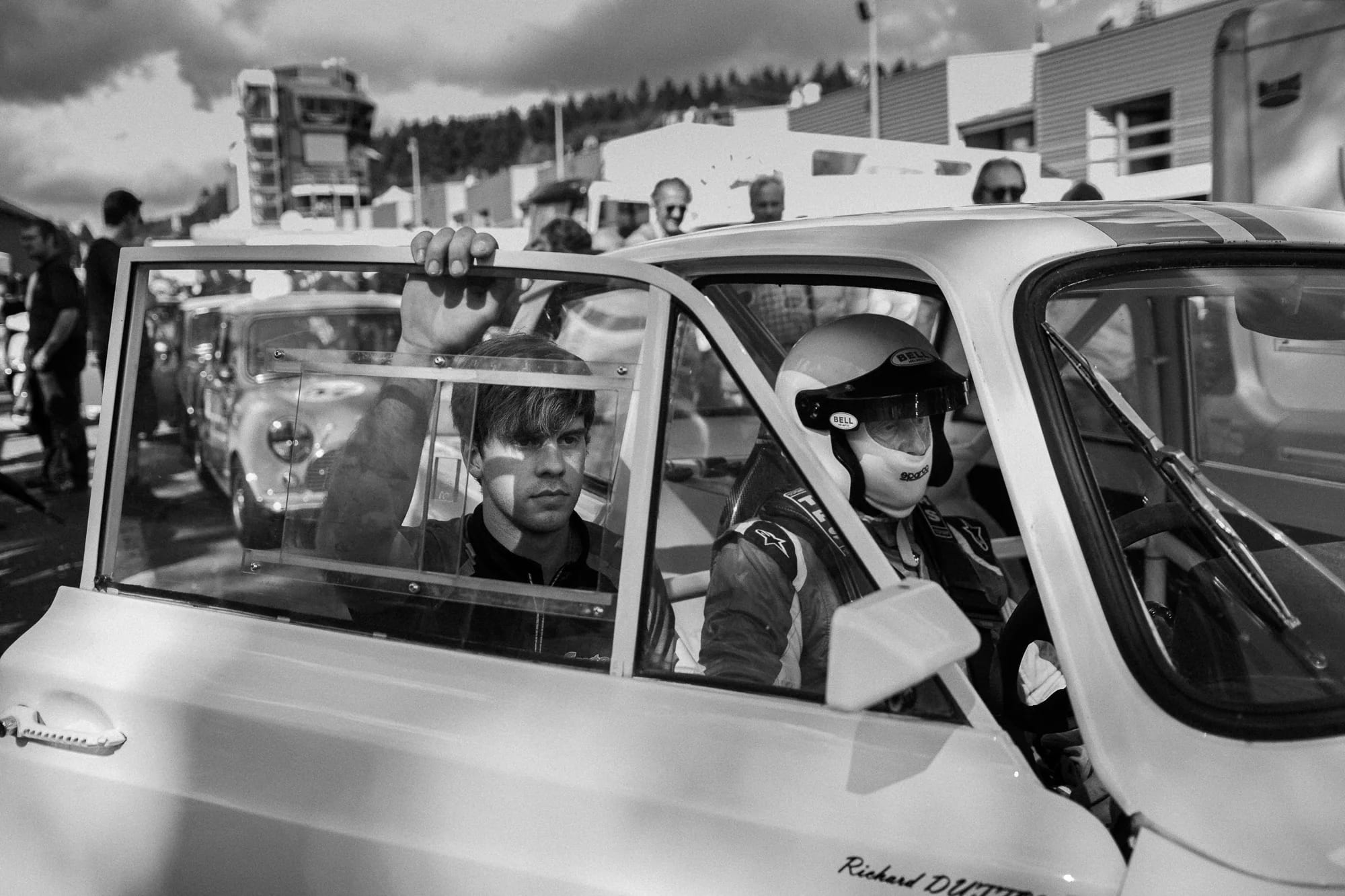
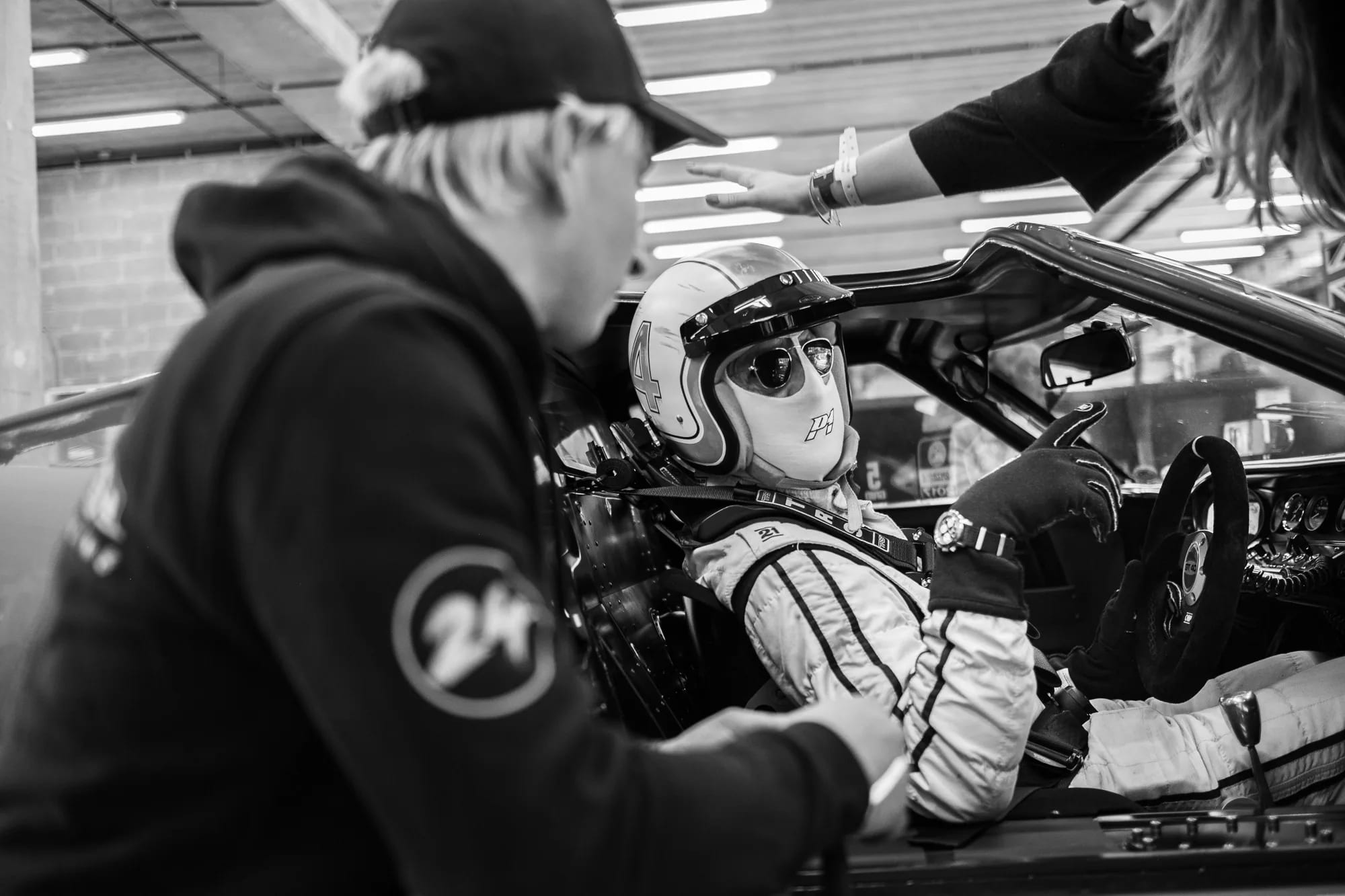
Racing is a test of absolute focus. On the starting grid, amid the roar of engines and the tension of the crowd, the world narrows.
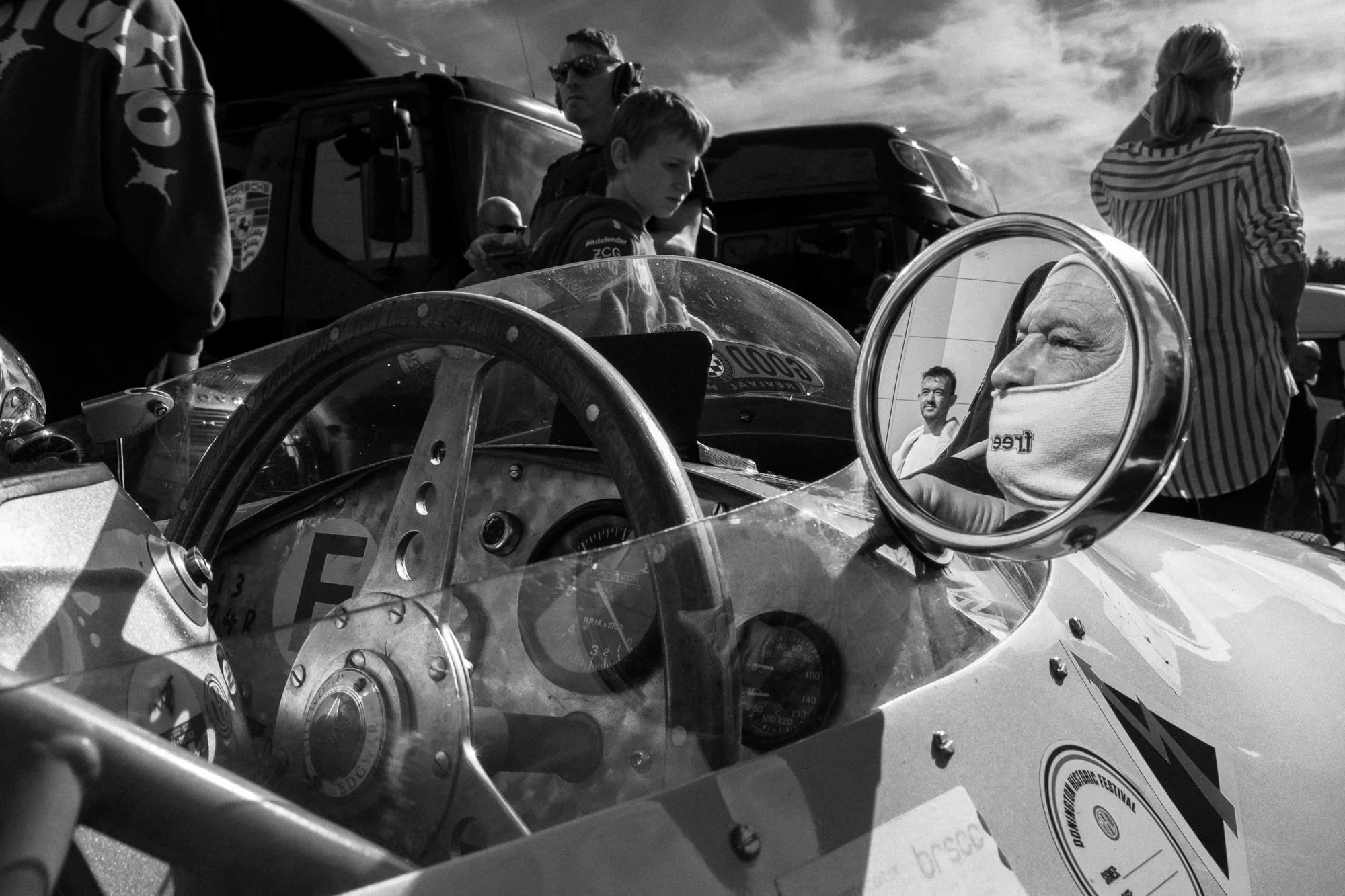
Inside their helmets, drivers tune out everything else, running through braking points and apexes in their minds.
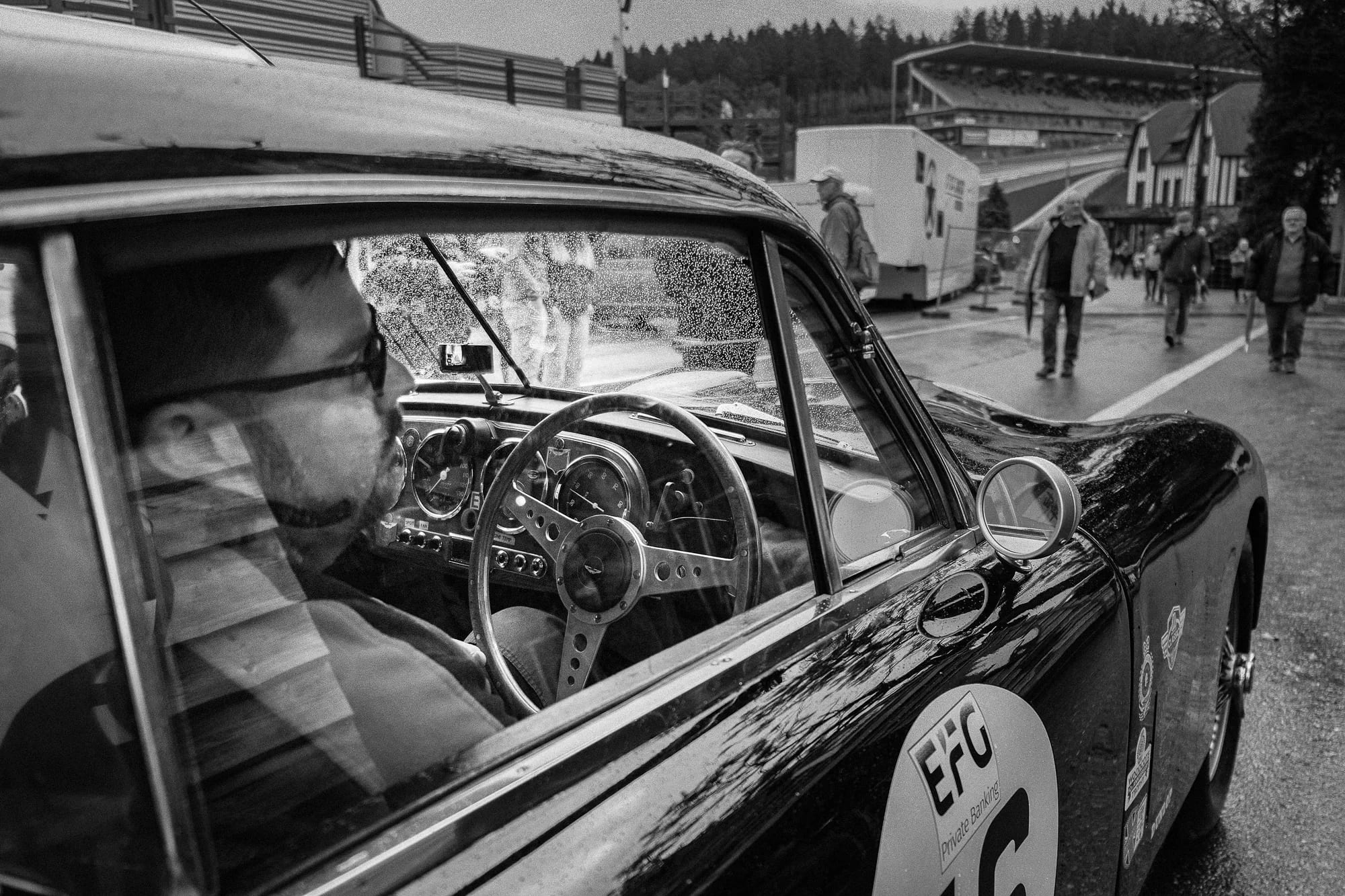
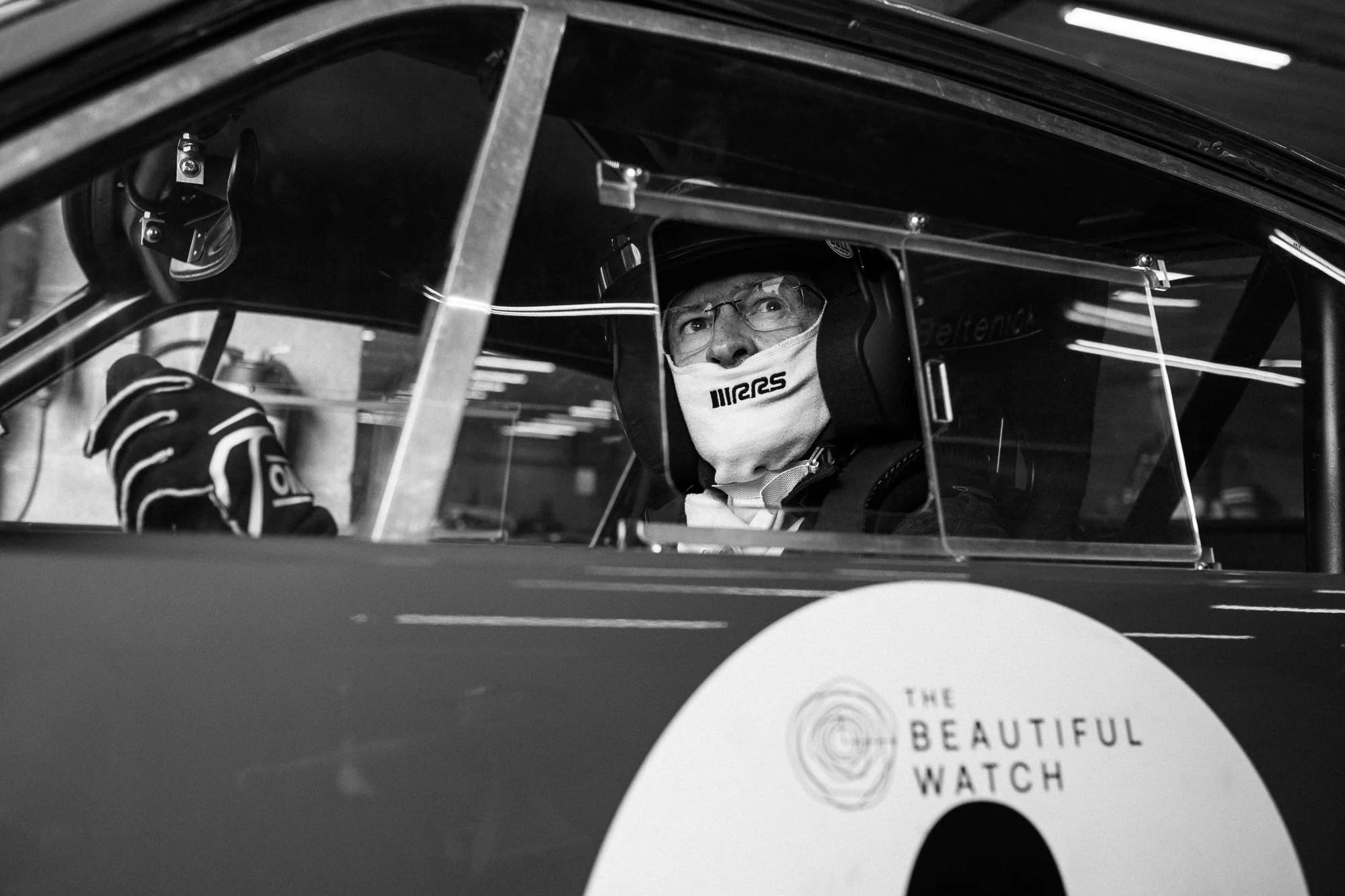
For these final minutes, they are completely alone in the cockpit, locking into the zone before the green flag drops.
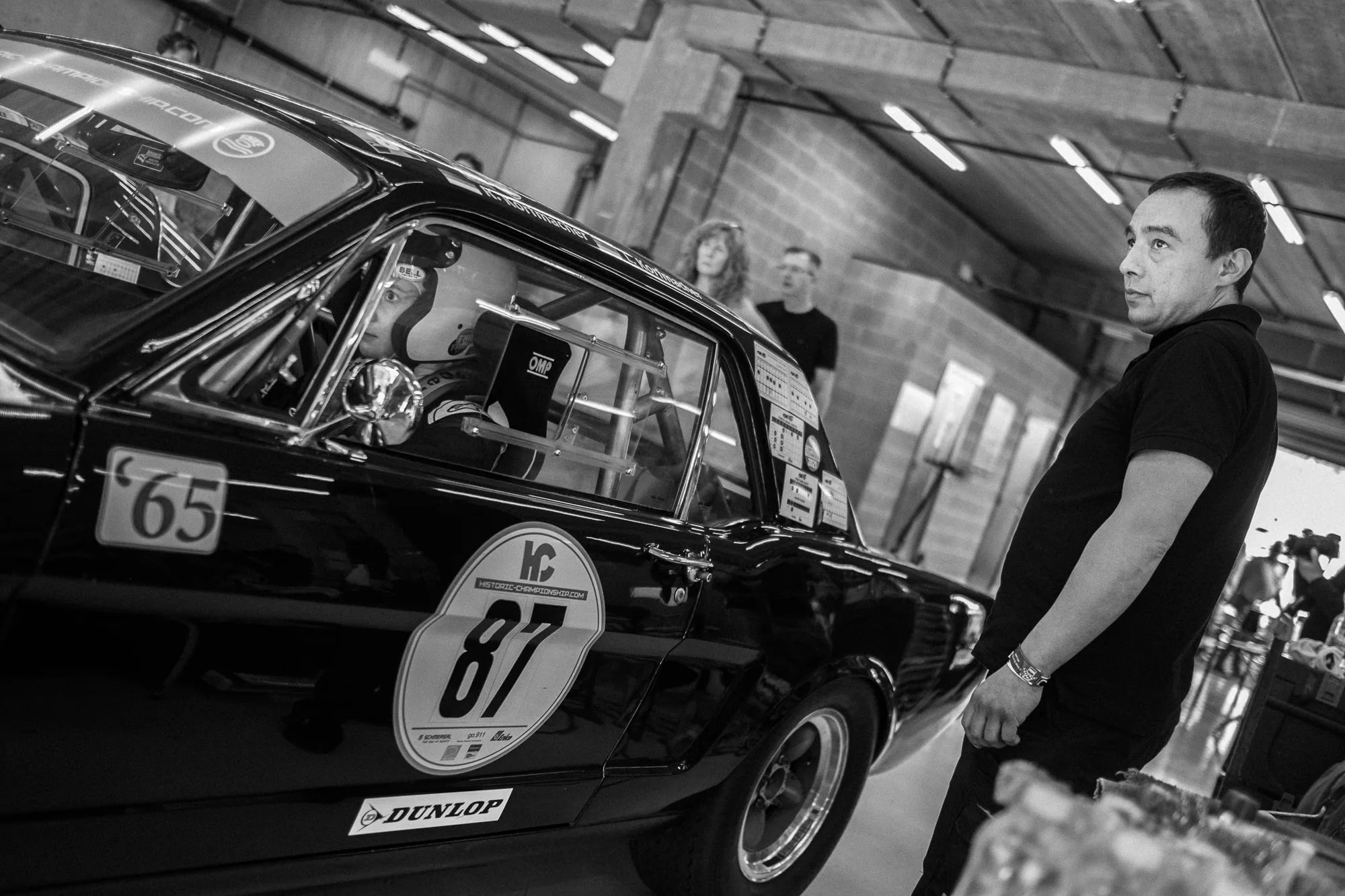
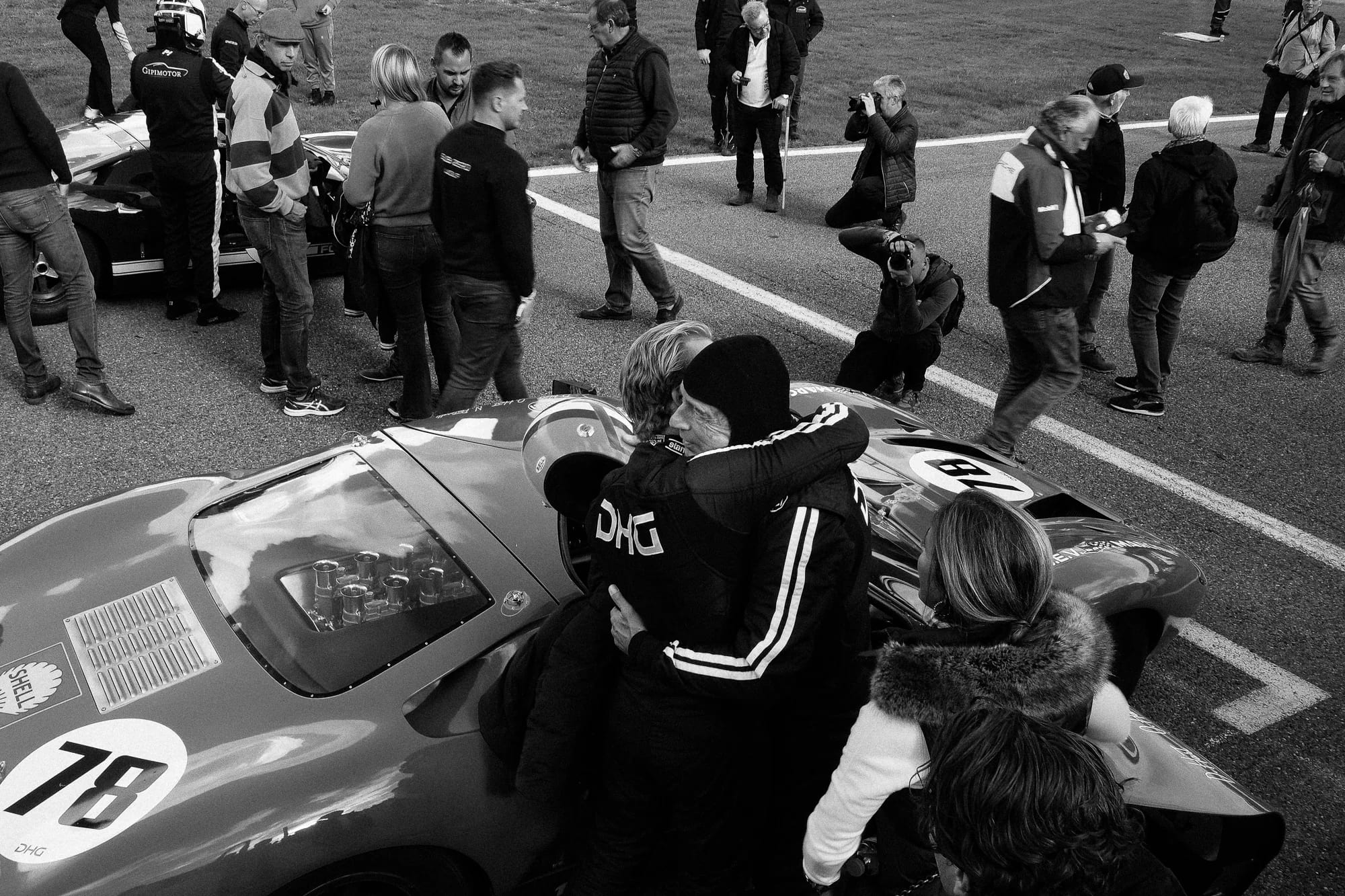
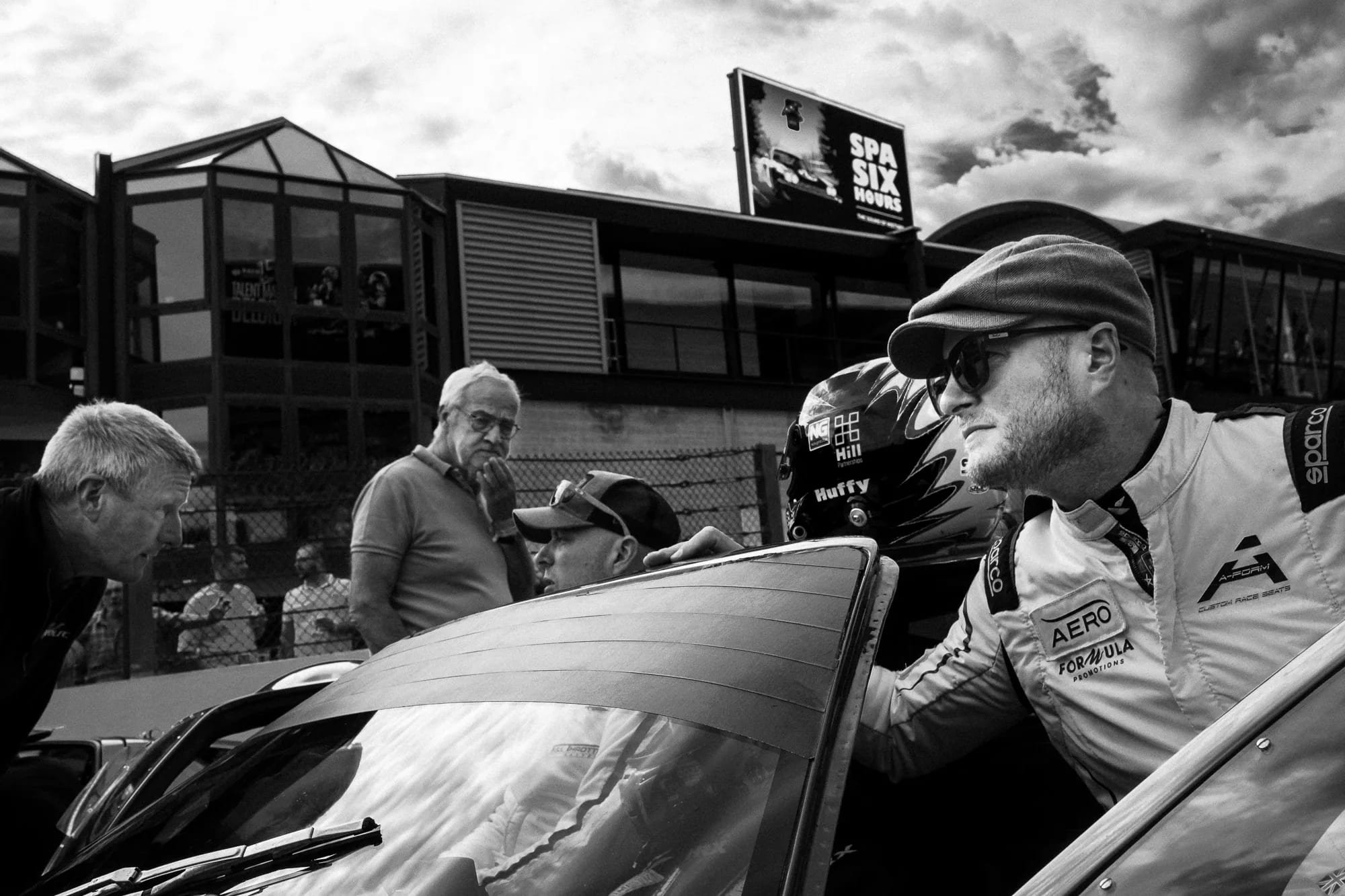
On the grid, the final rituals are charged with quiet tension. Racing remains dangerous.
Time to Race
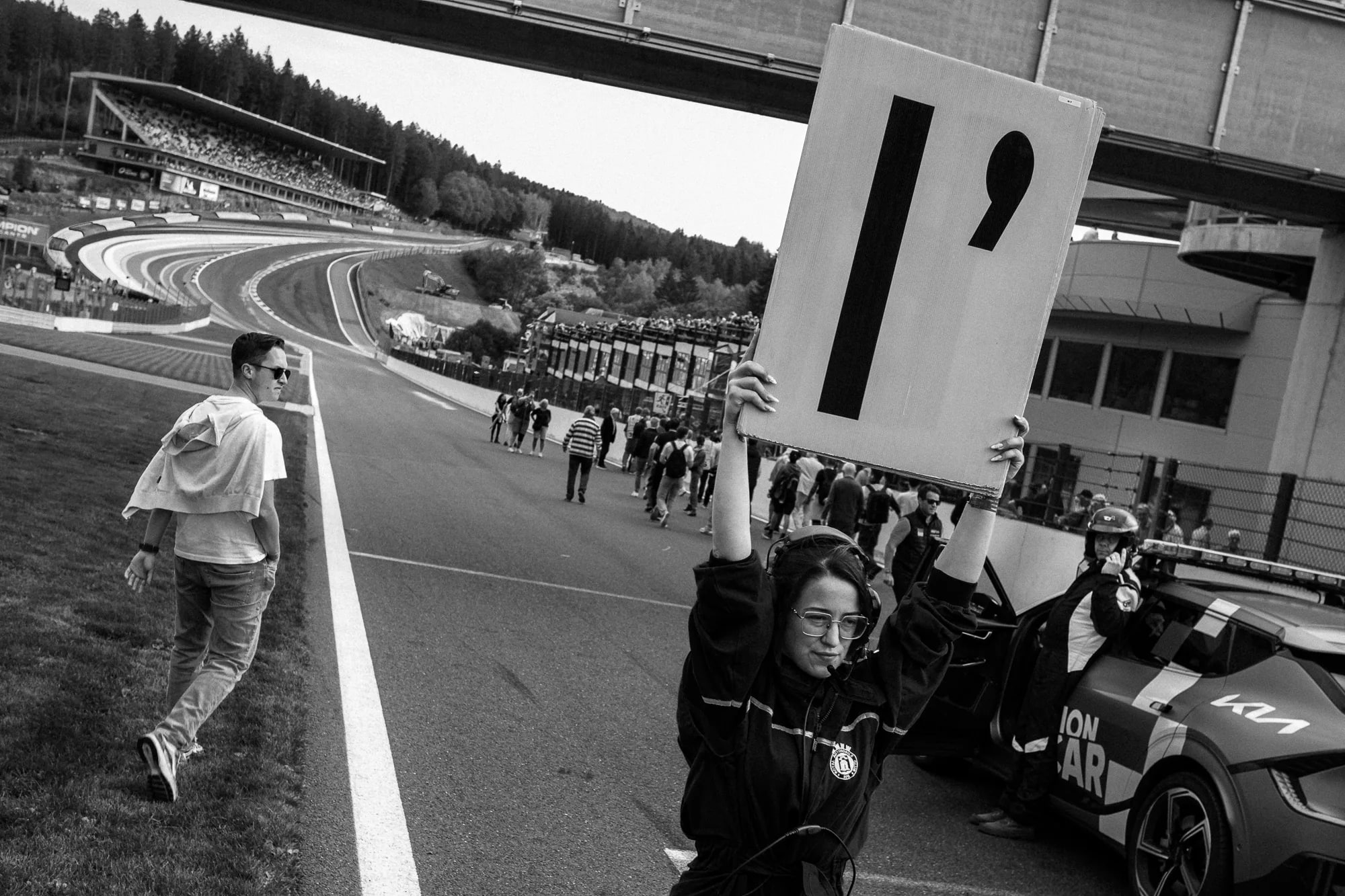
The lights turn green at 4:00 PM. In late September, that means half of the race will unfold in the dark.
And because this is Spa-Francorchamps, even if the race starts in the sunshine, rain is never far away, ready to turn an already grueling endurance test into a true battle of survival.
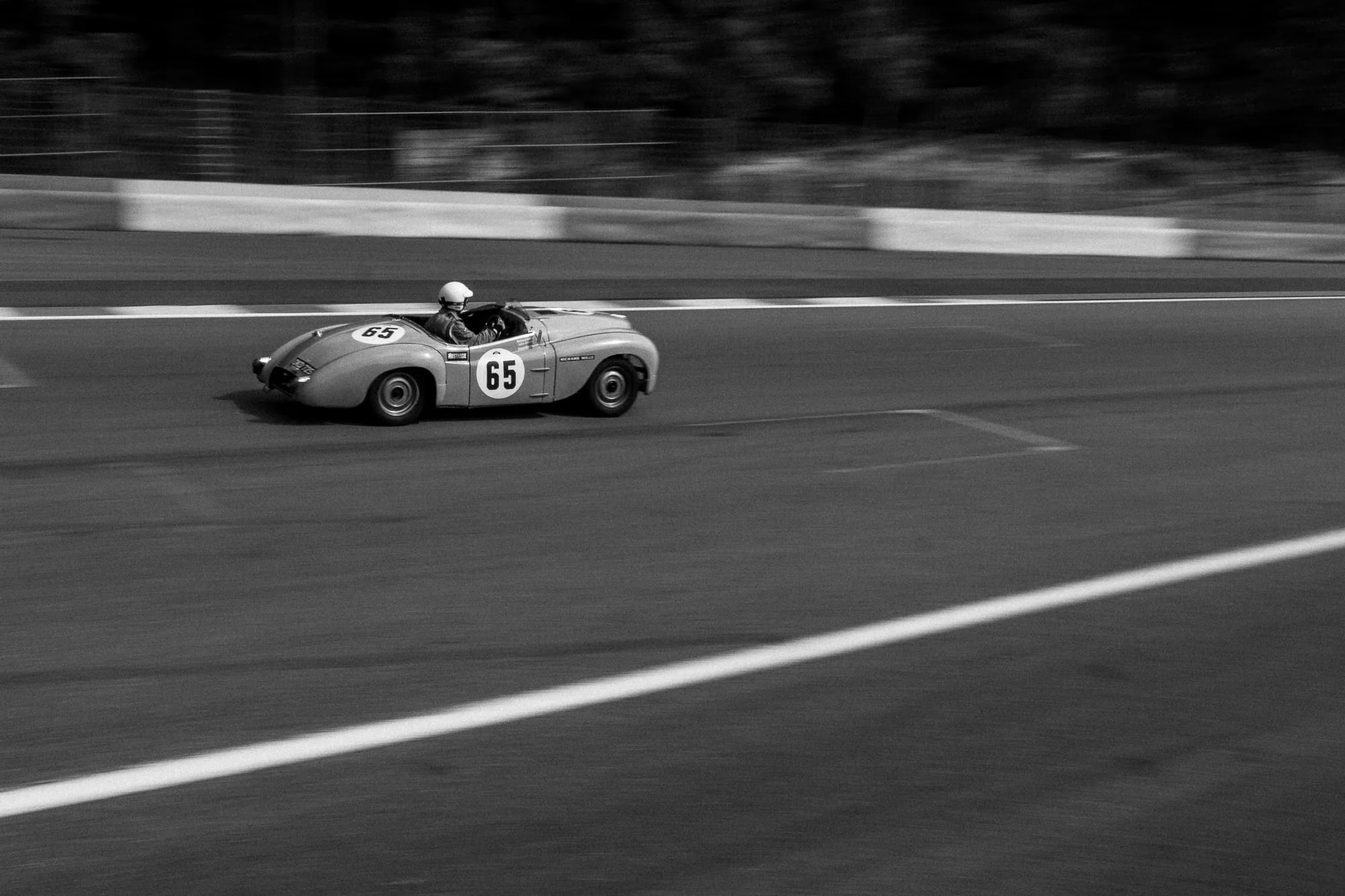
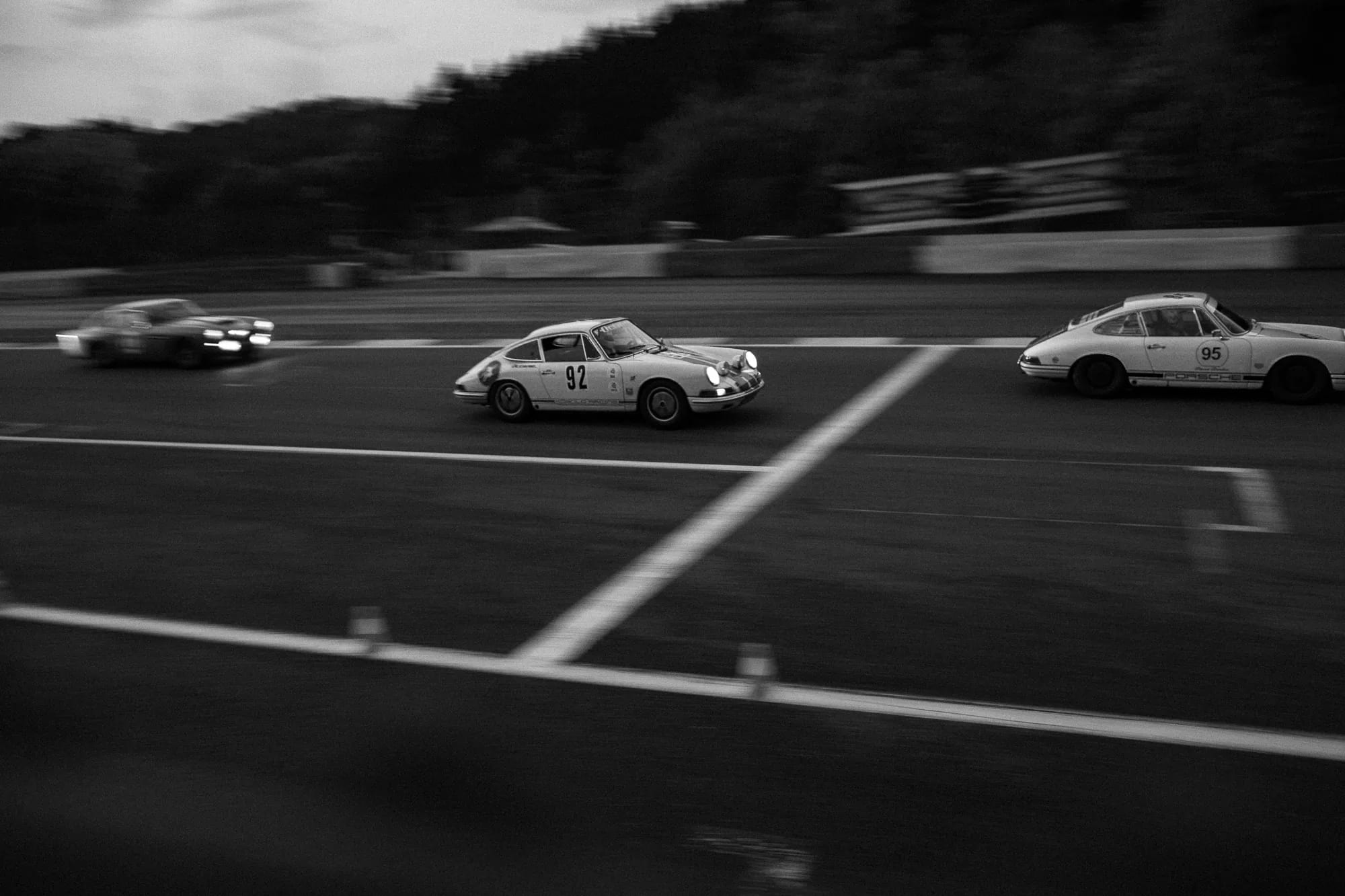
The gaps on the track are small. Racing demands skill, trust, and respect for other drivers, all at full speed.
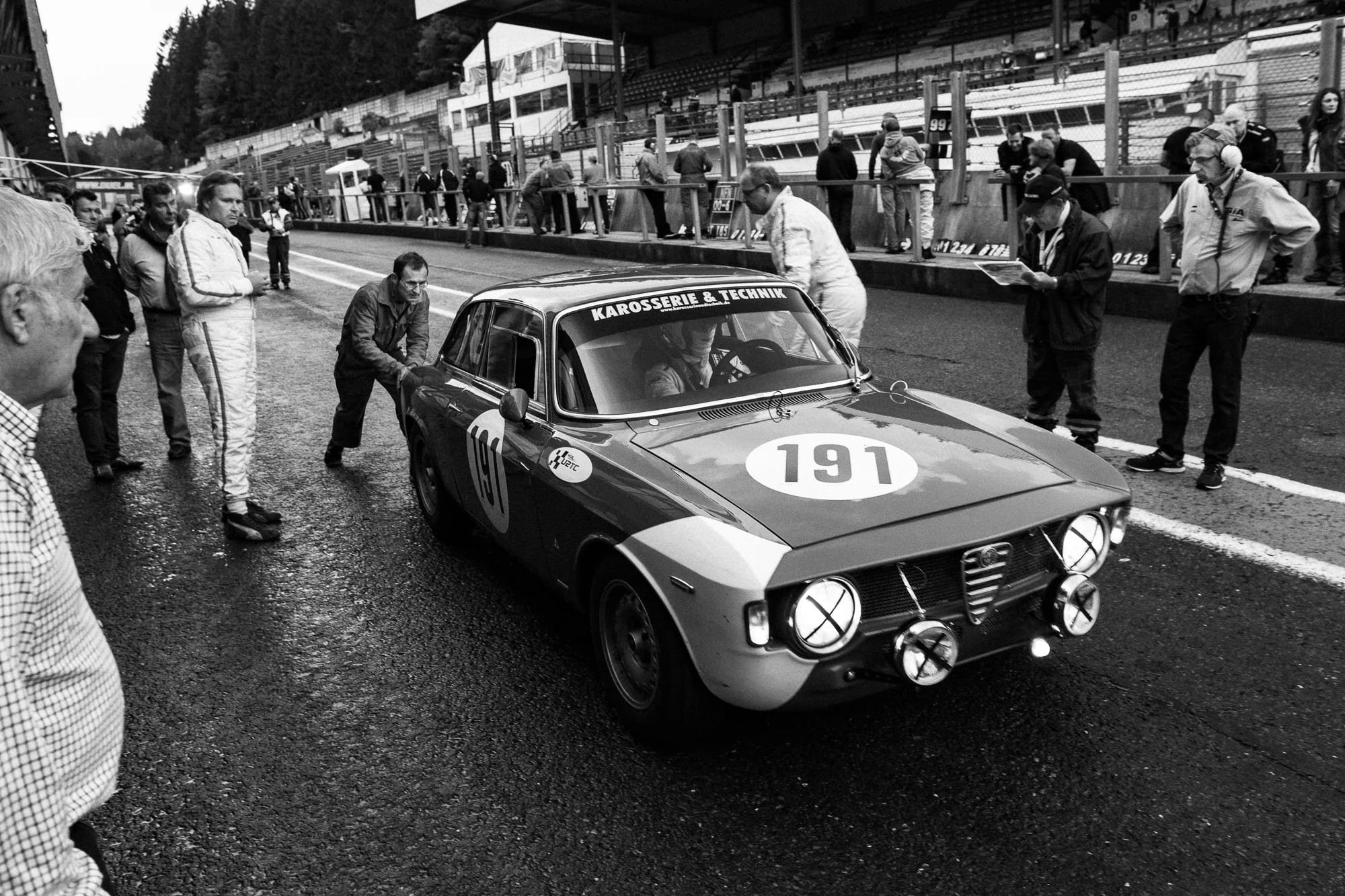
As the race gets underway, the pit lane turns into a constant rotation of physical work.
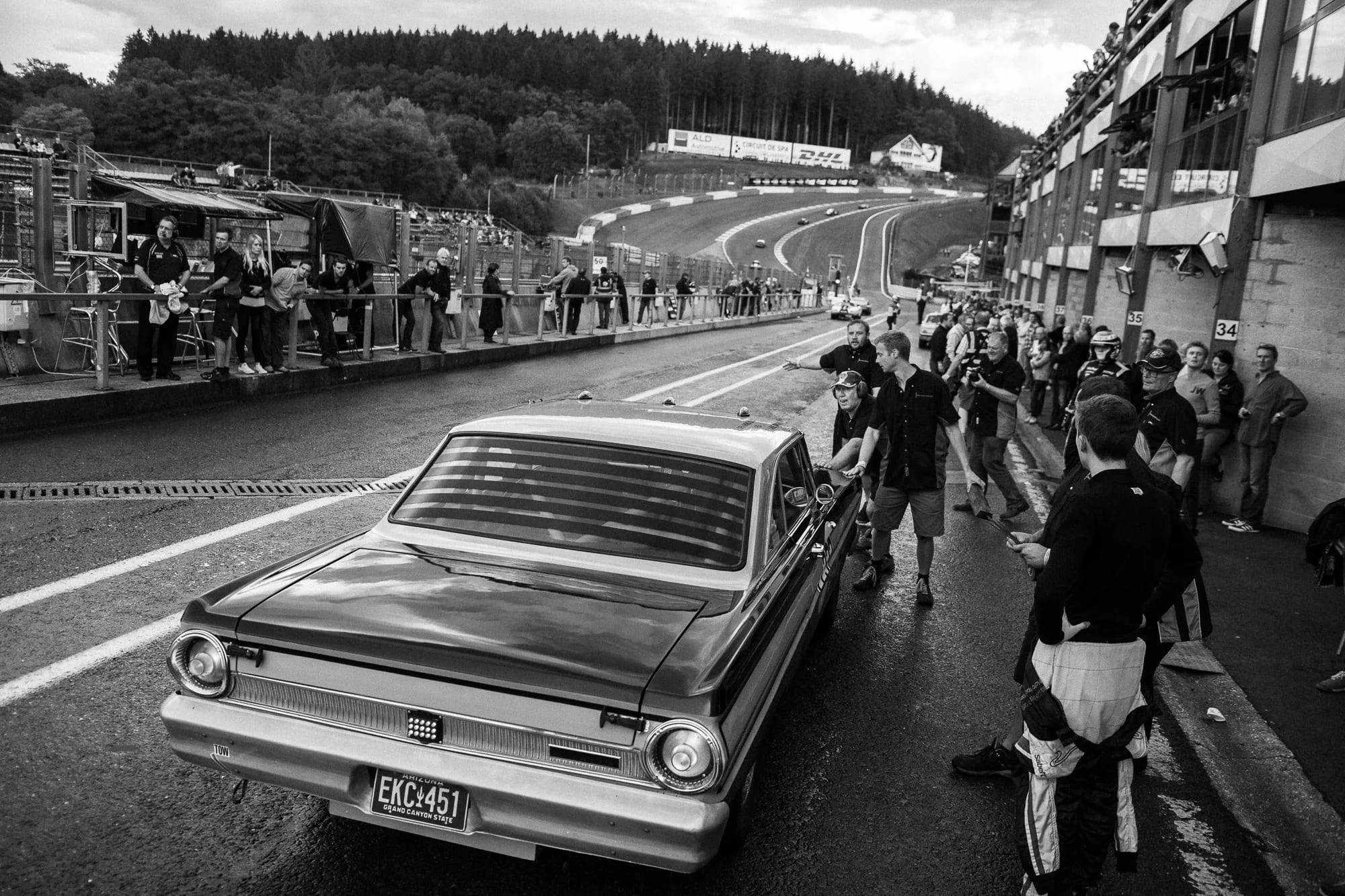
The view of Eau Rouge–Radillon from the old pit lane is stunning, but the teams are too busy to enjoy one of the most famous corners in motorsport.
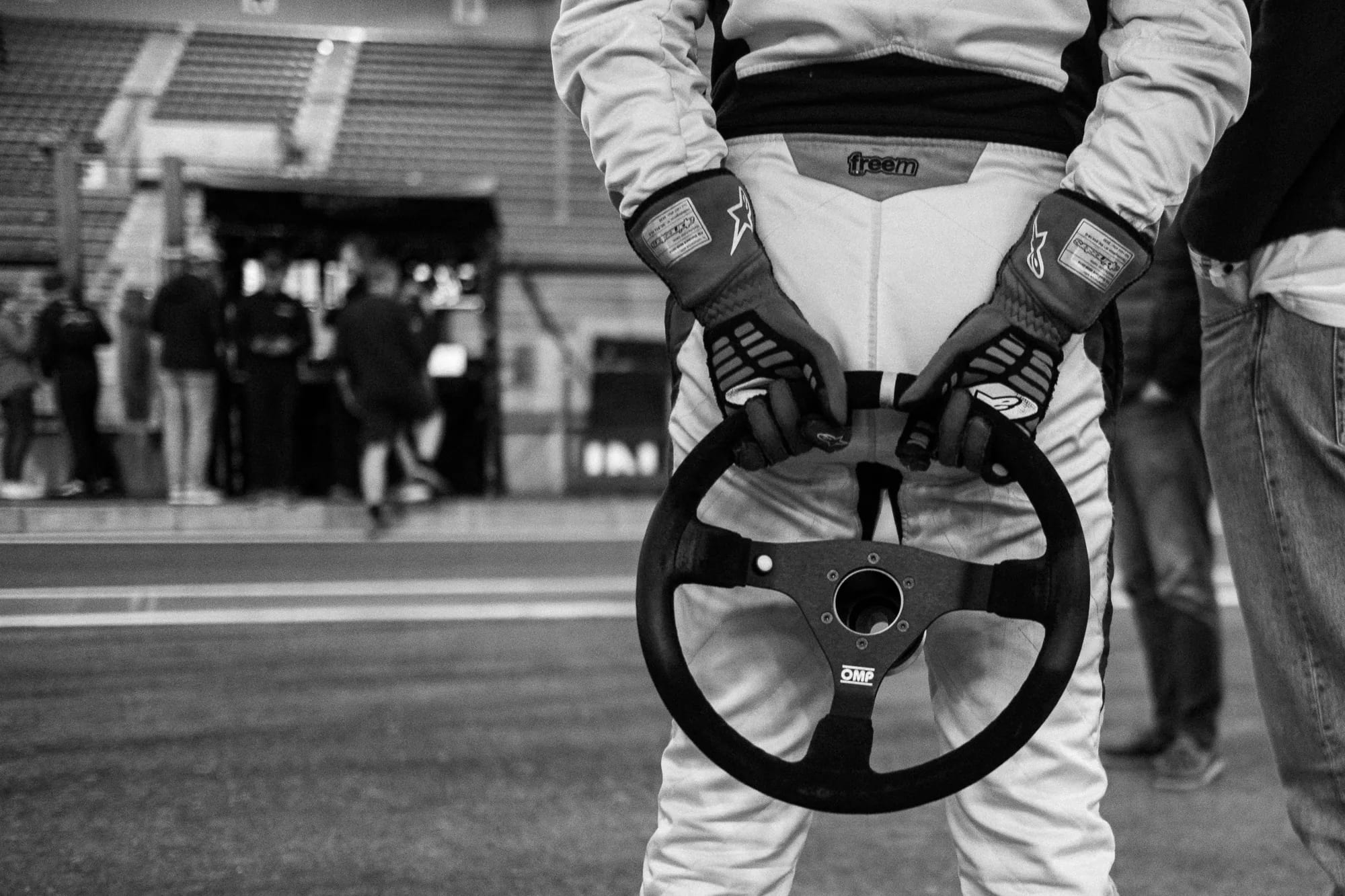
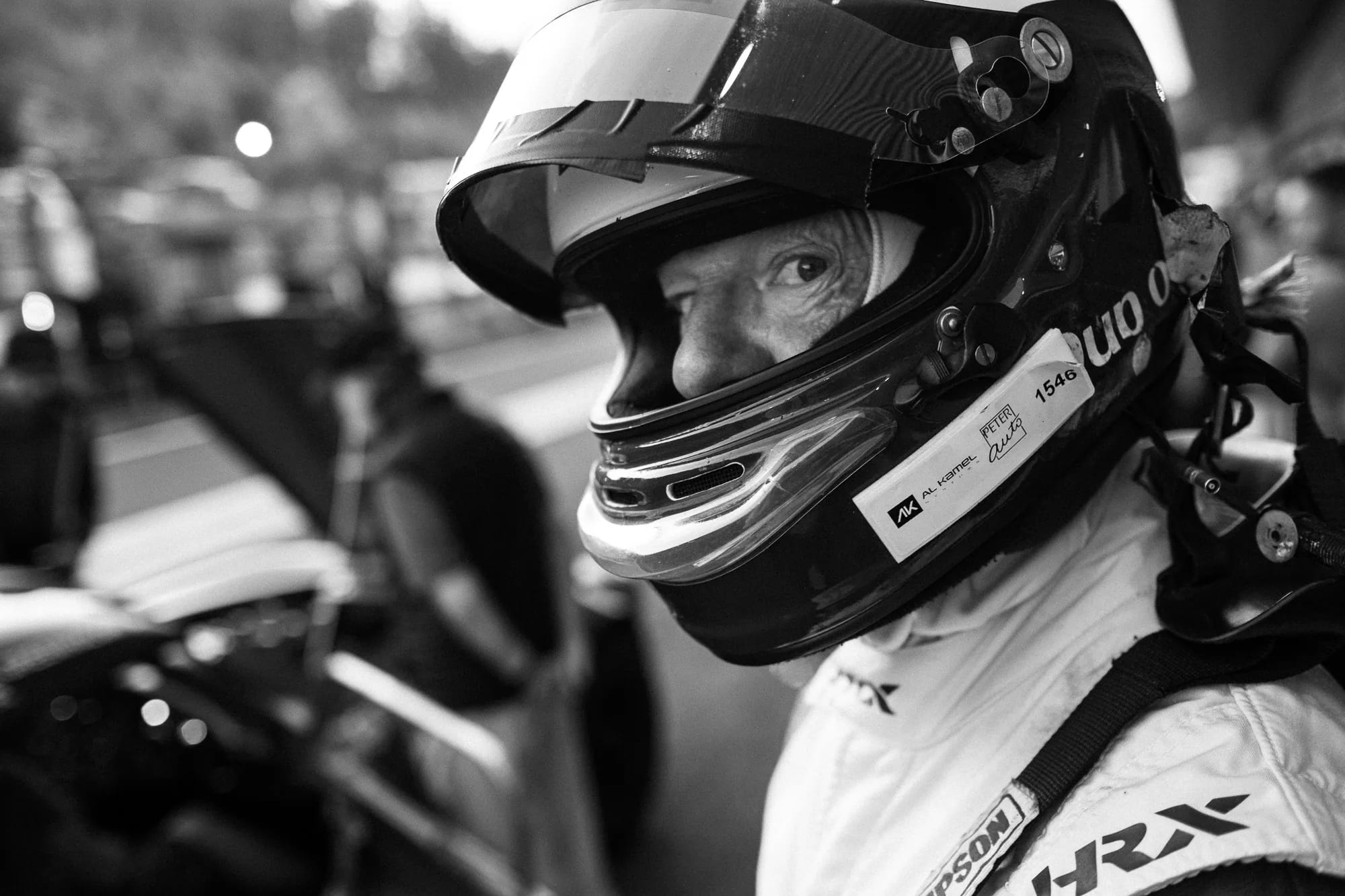
Tense stillness takes over the pit lane before a driver change.
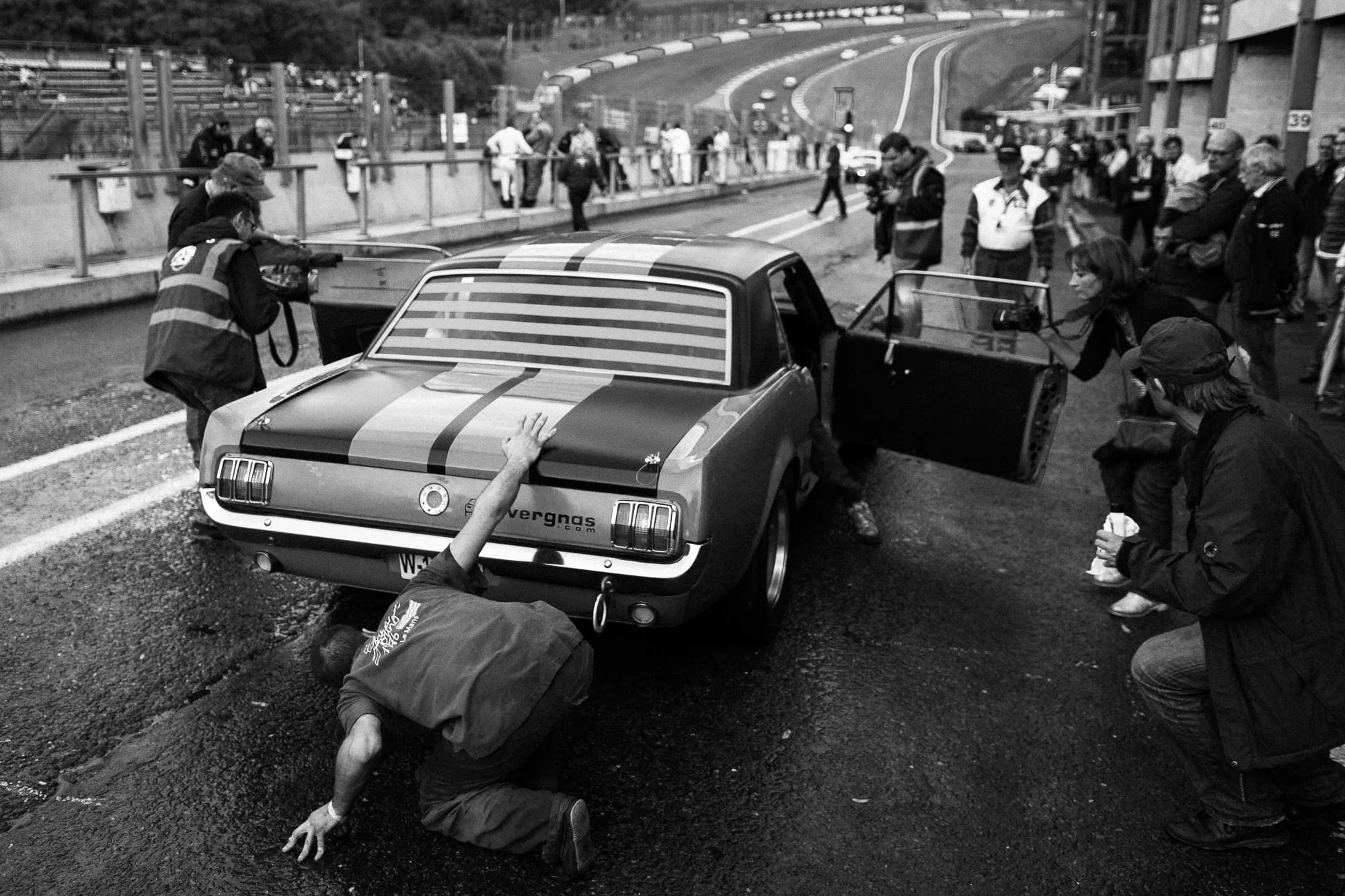
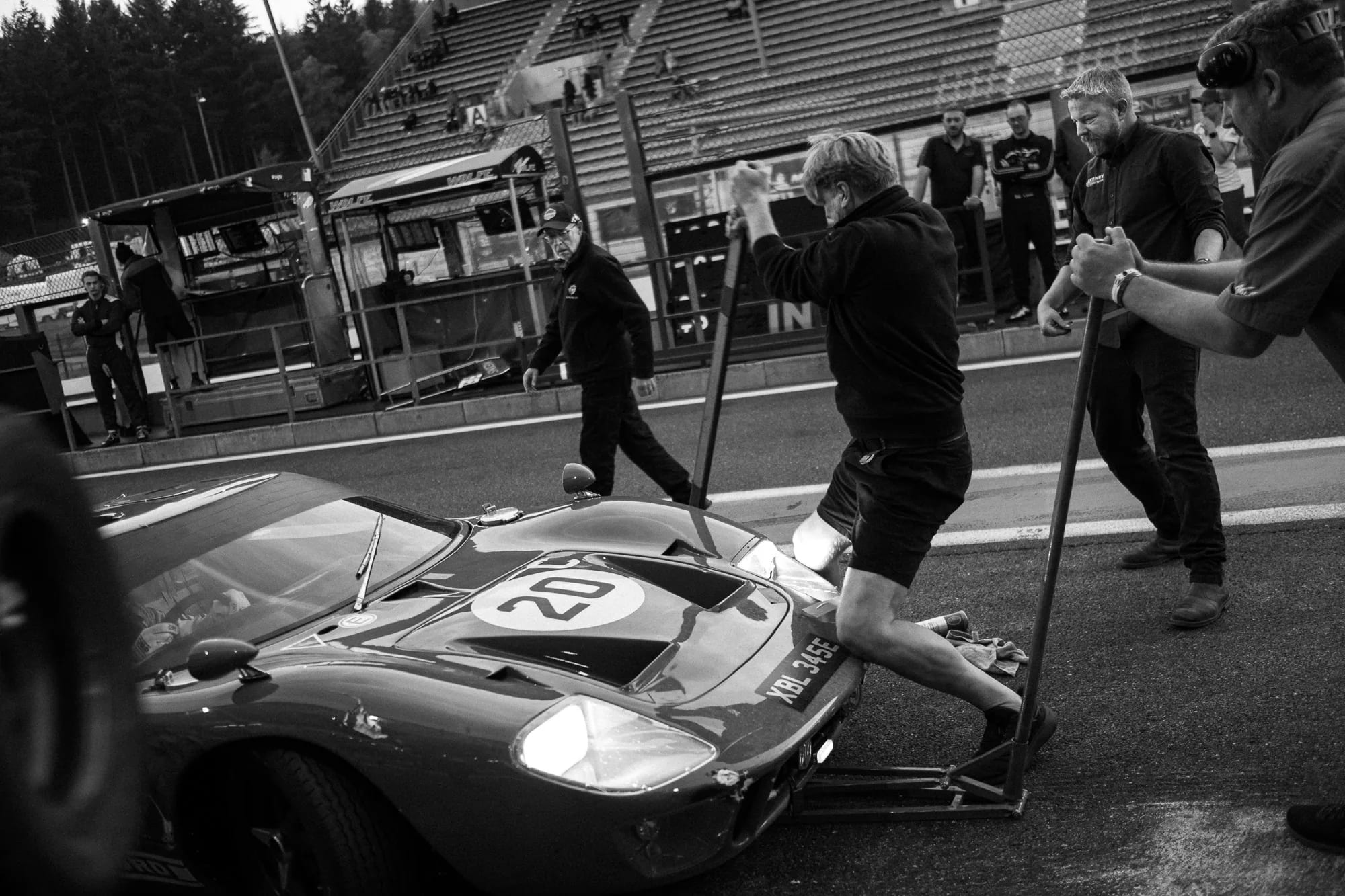
Jack handles, quick tire changes, and rapid driver handovers in the fading light.
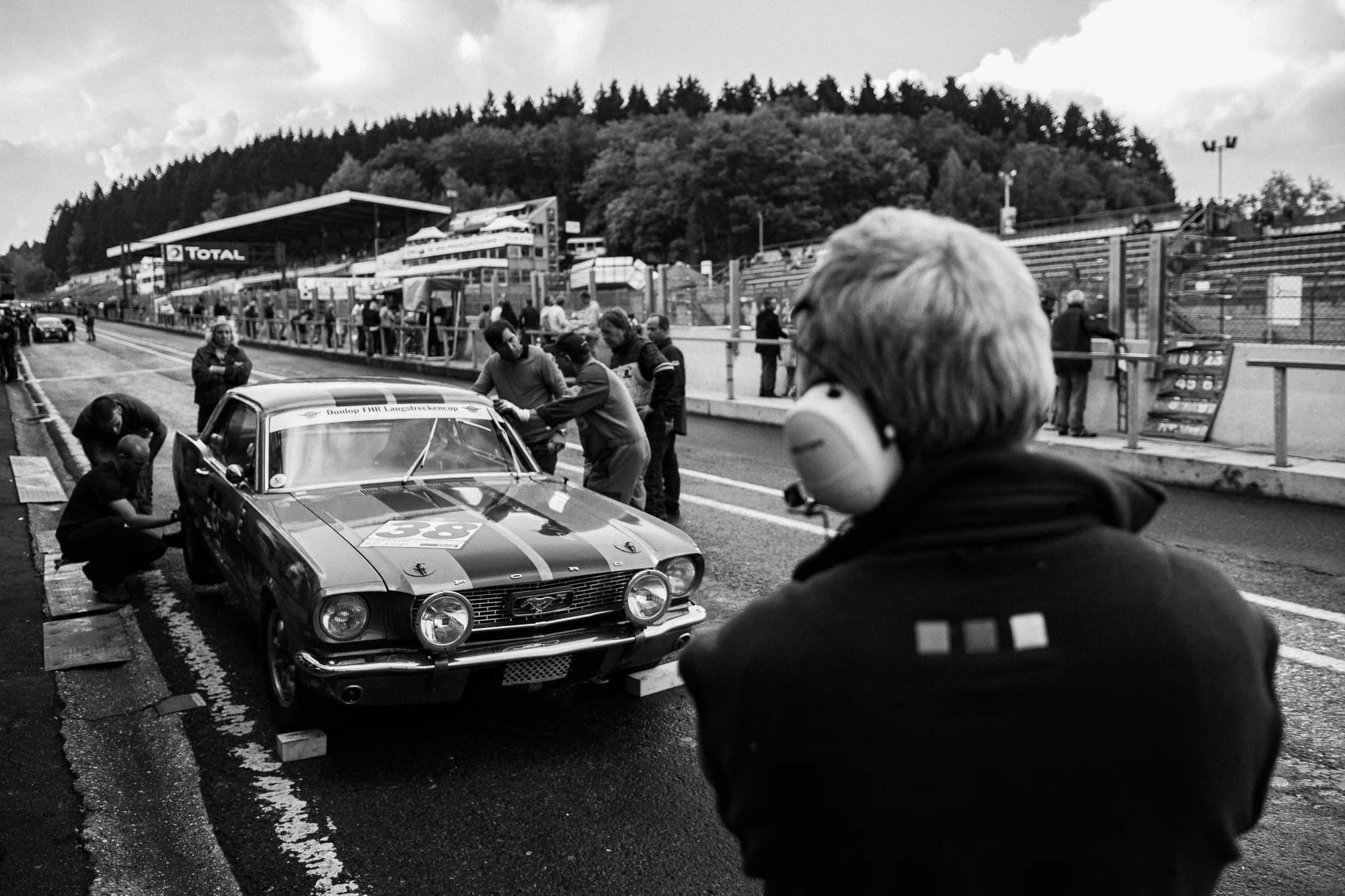
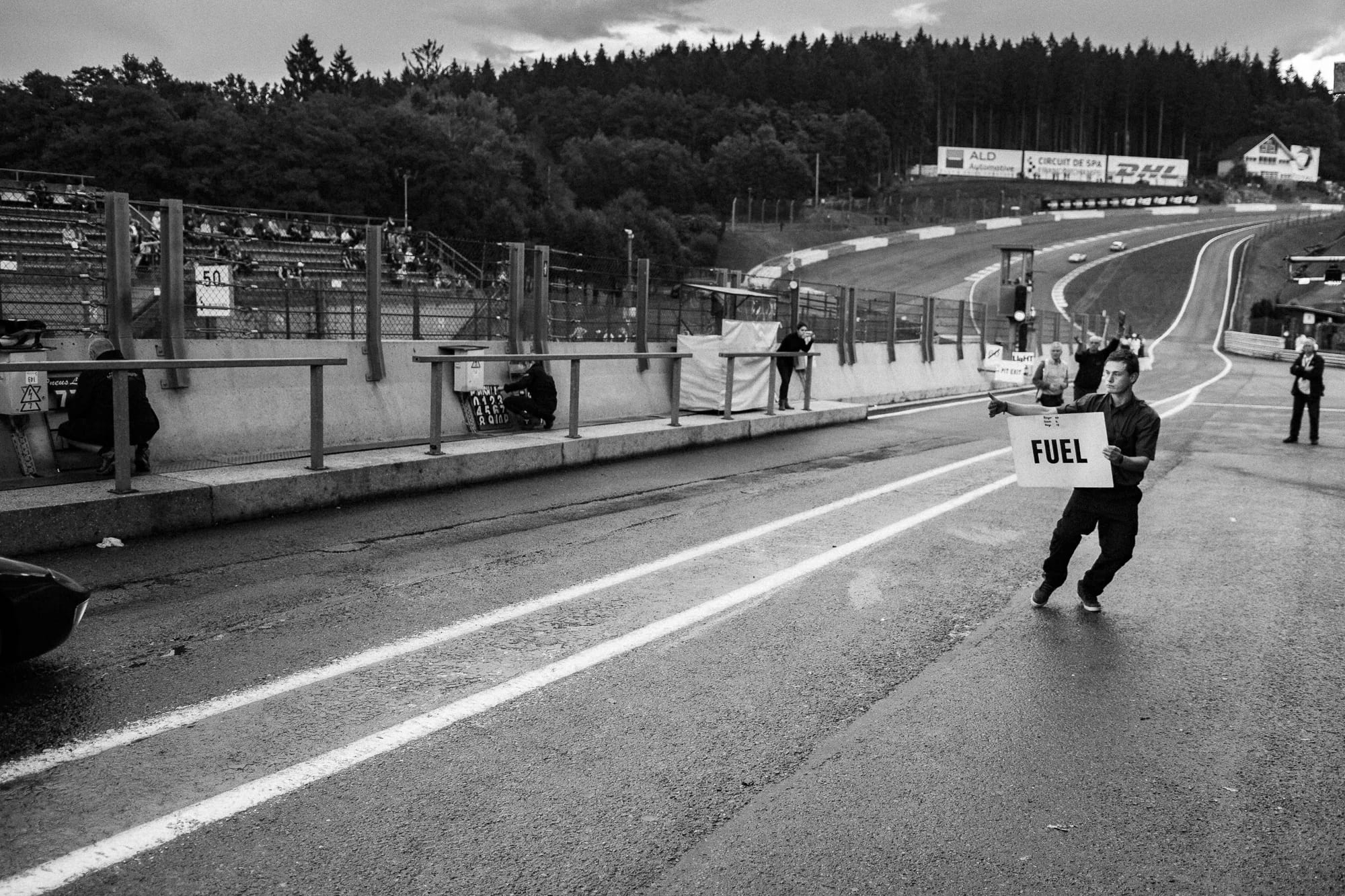
Every second counts. Experience and teamwork keep the car in the running.
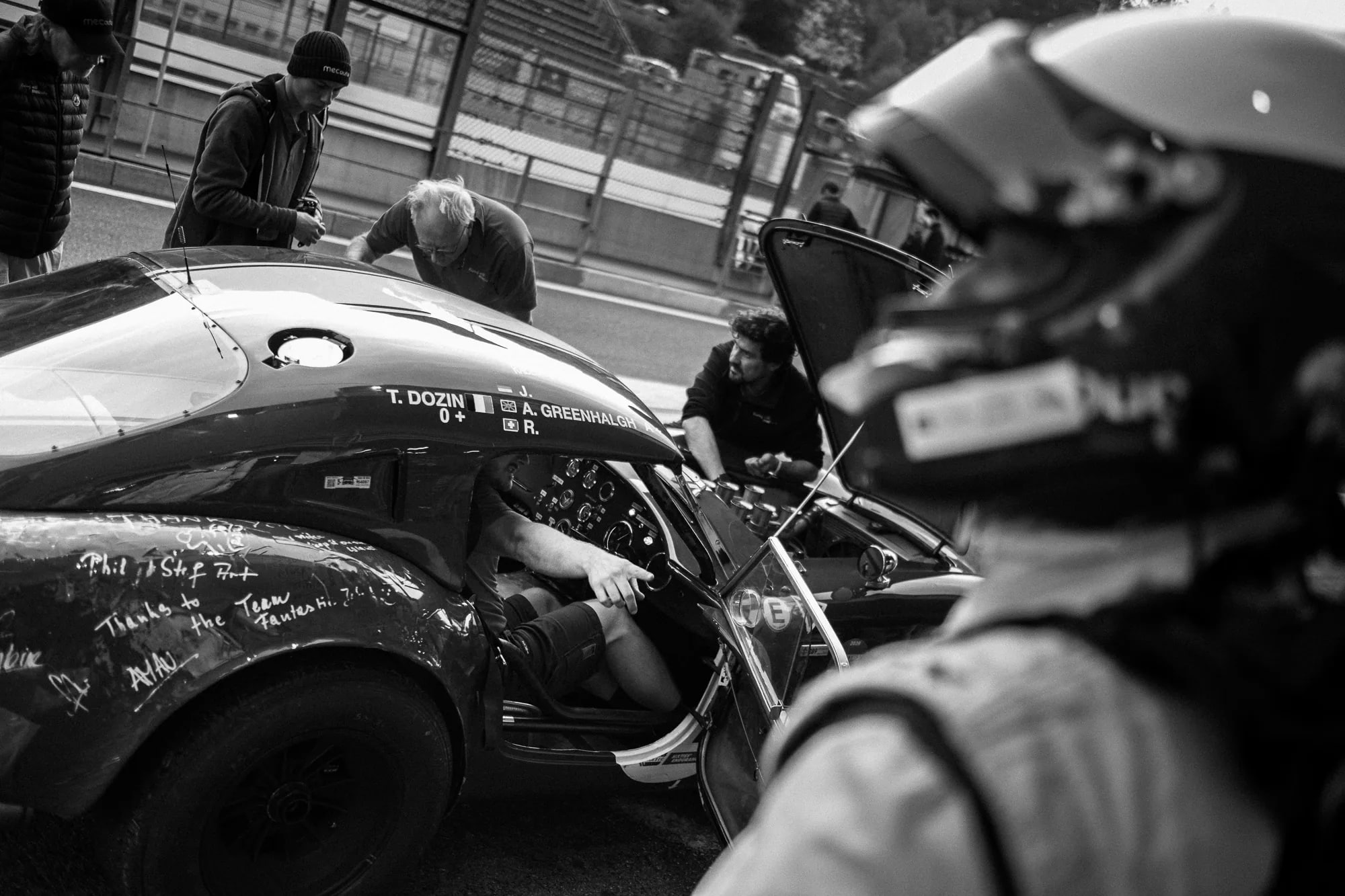
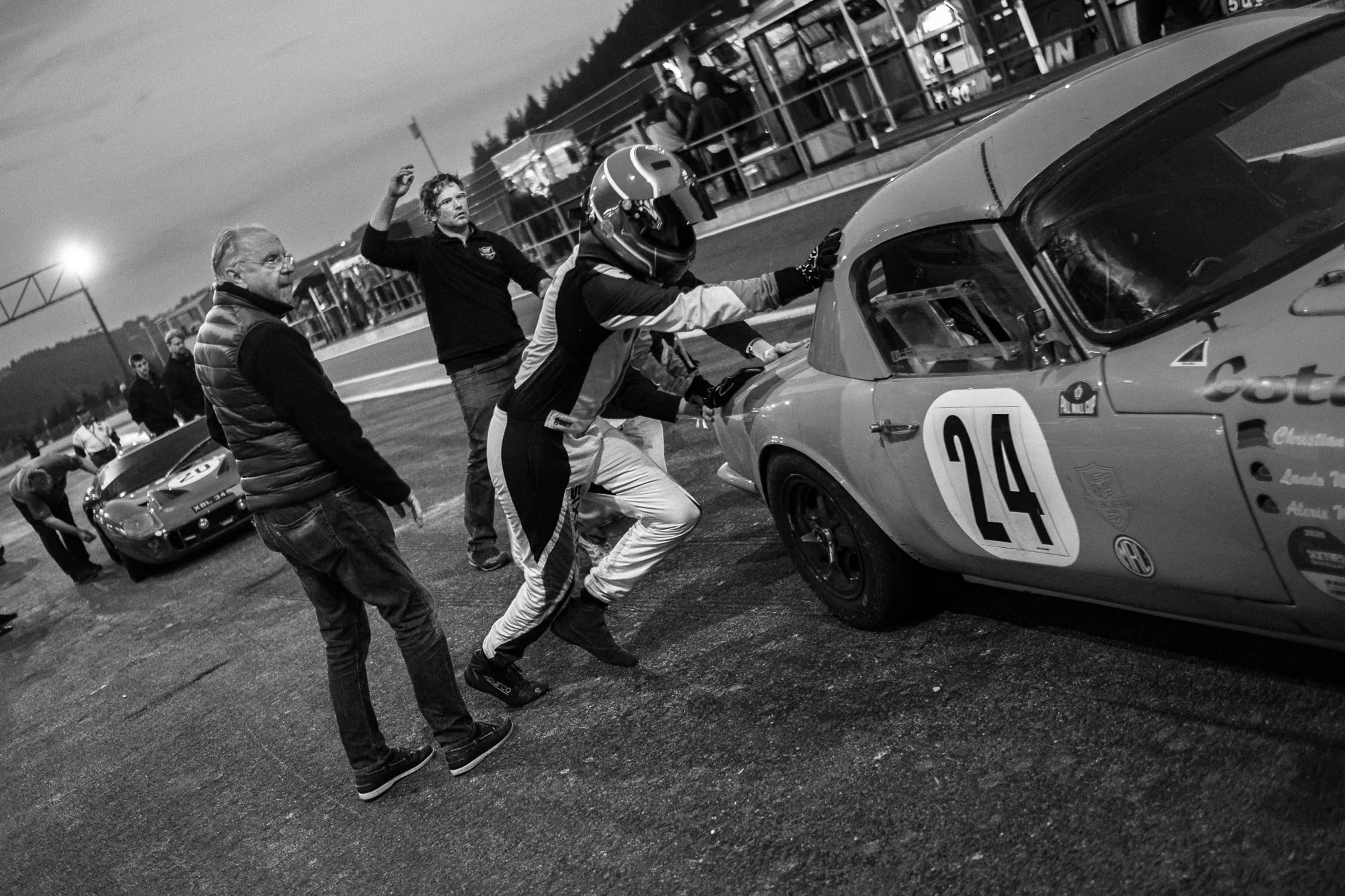
Dusk
When night falls over the Ardennes, the race changes entirely, often swallowed by cold, unrelenting rain. Yellow headlights cut through the pitch black and the slick, wet asphalt, reflecting off the spray as glowing brake rotors mark the end of the straight.
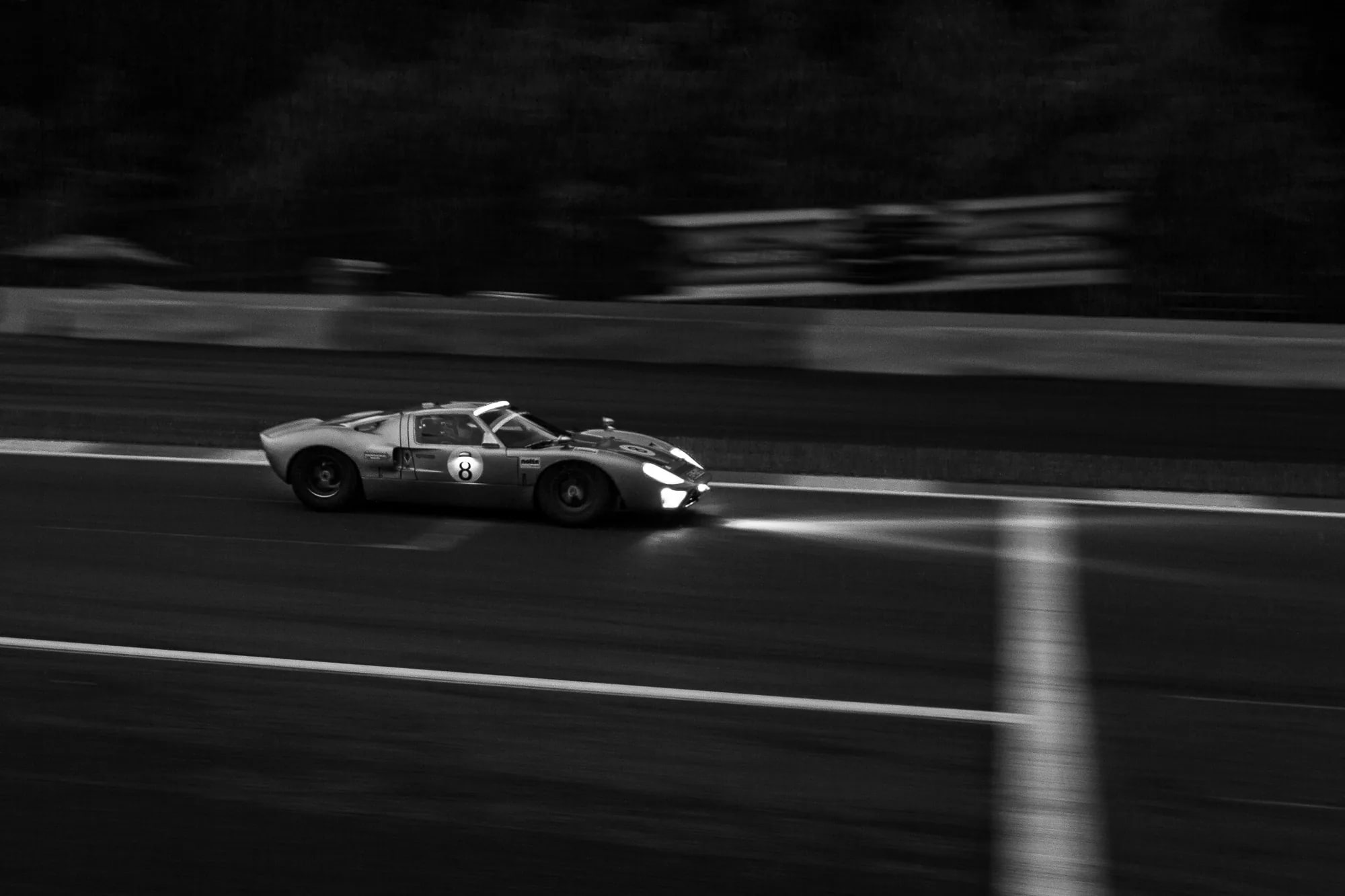
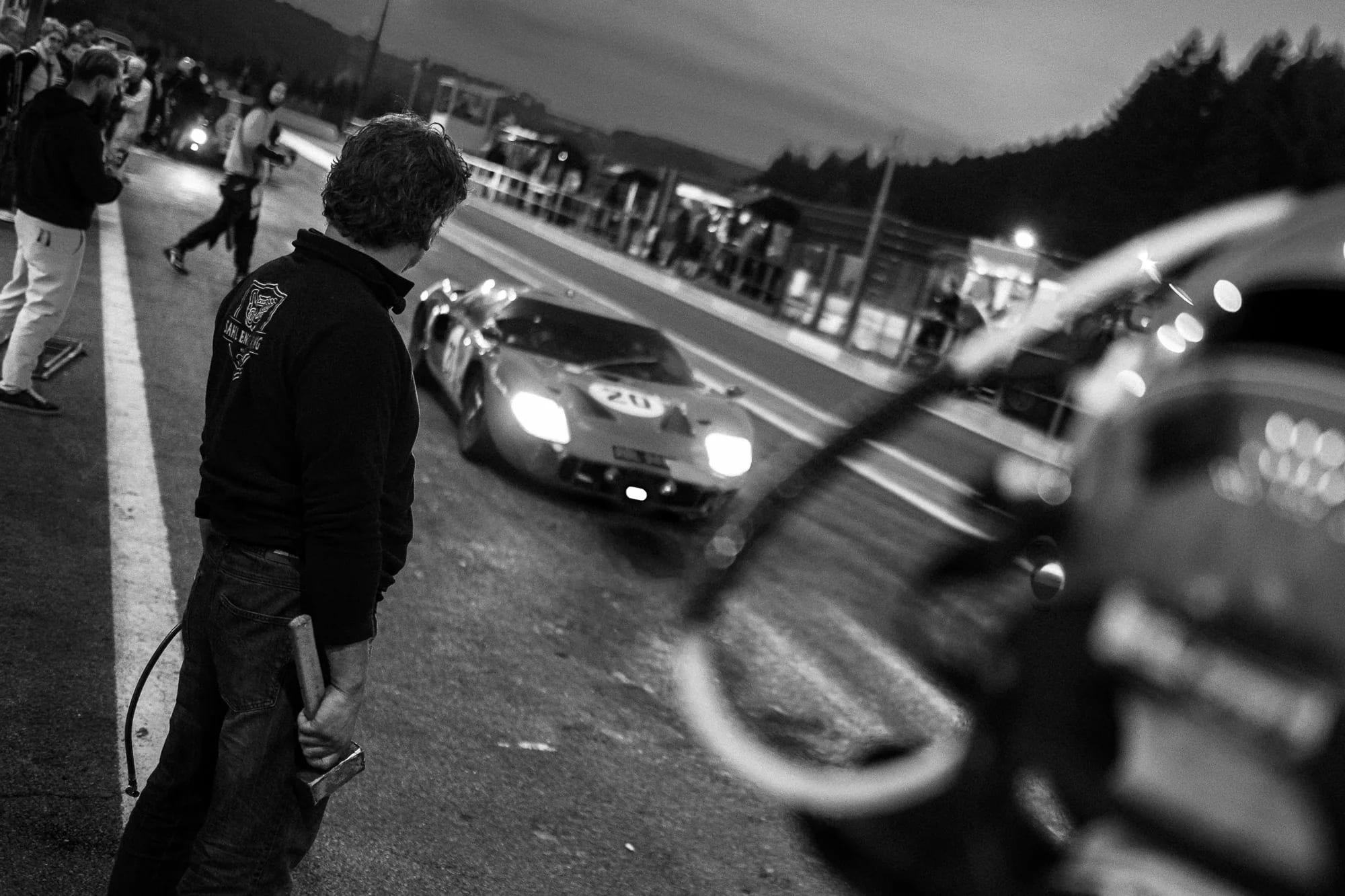
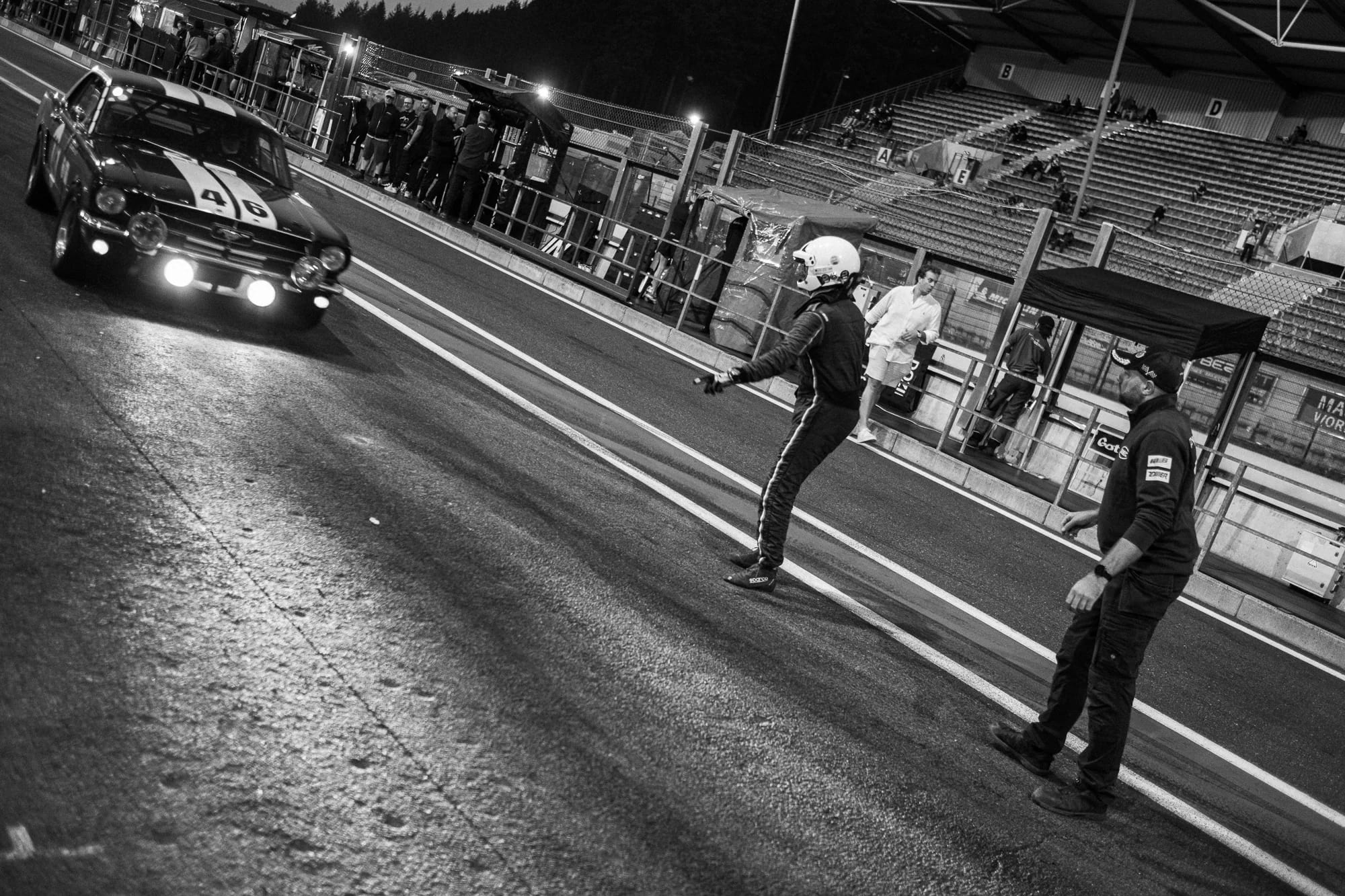
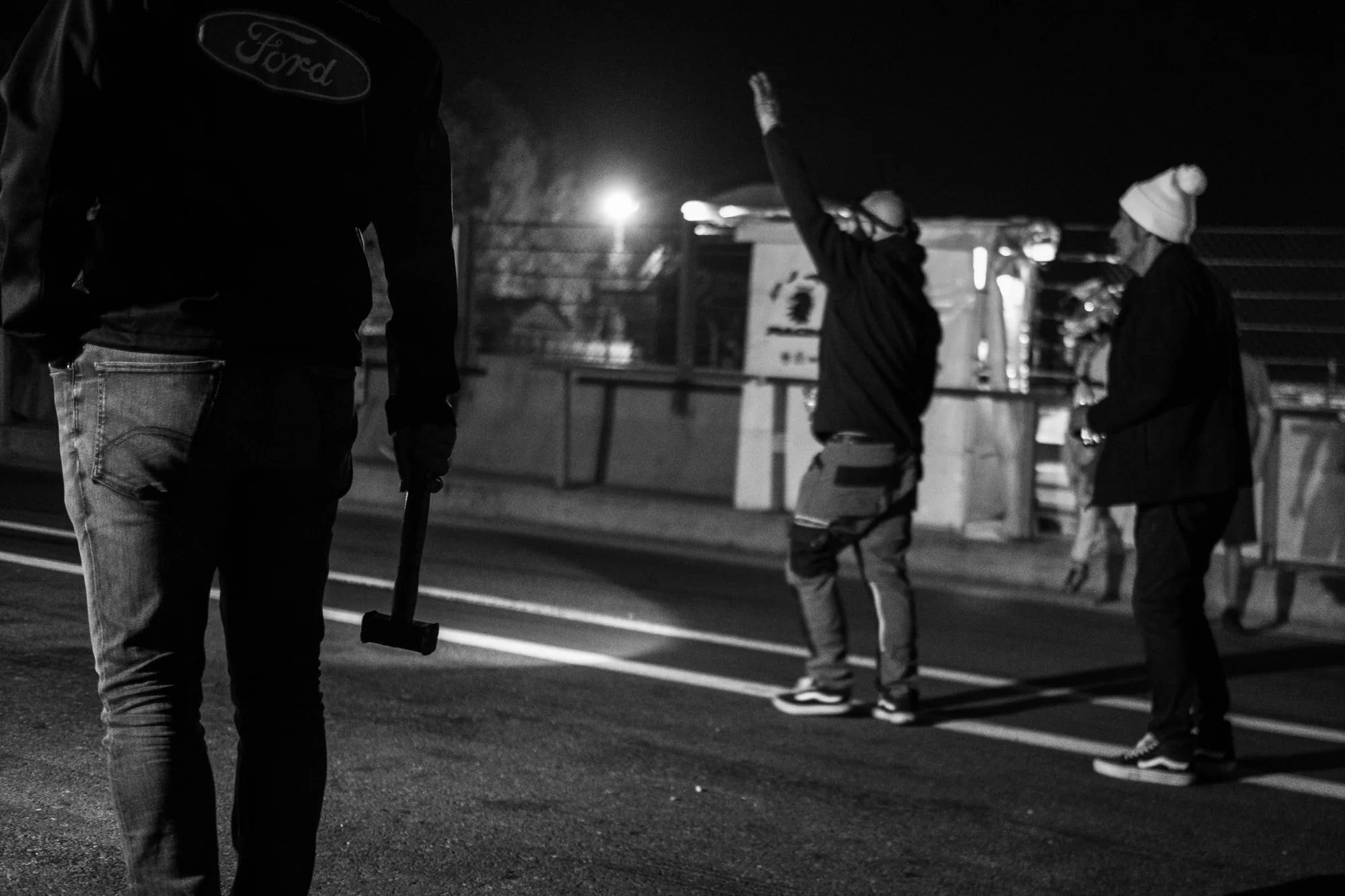
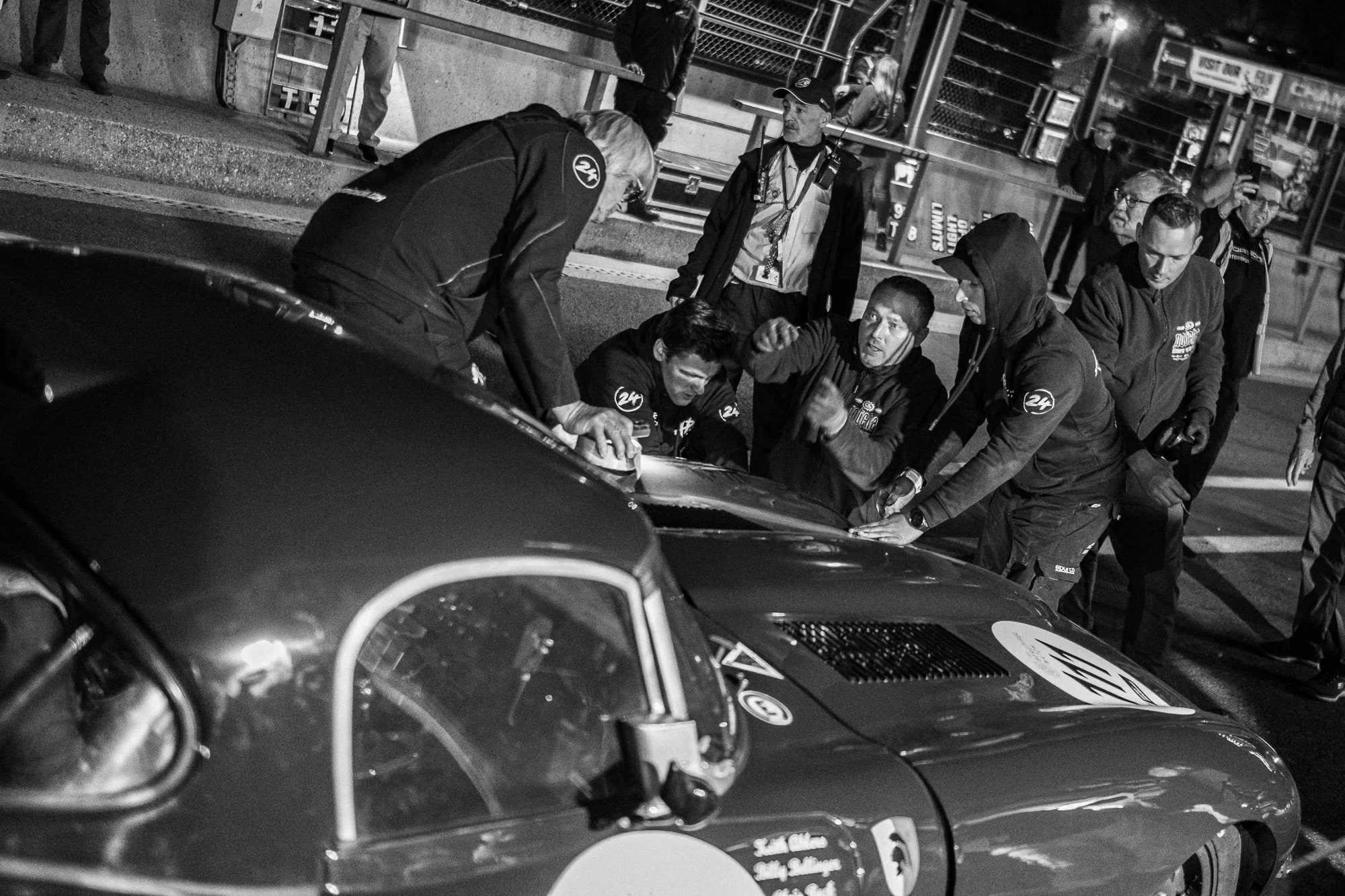
Pit stops in the dark bring additional challenges. Sometimes even recognising a car can be tricky.
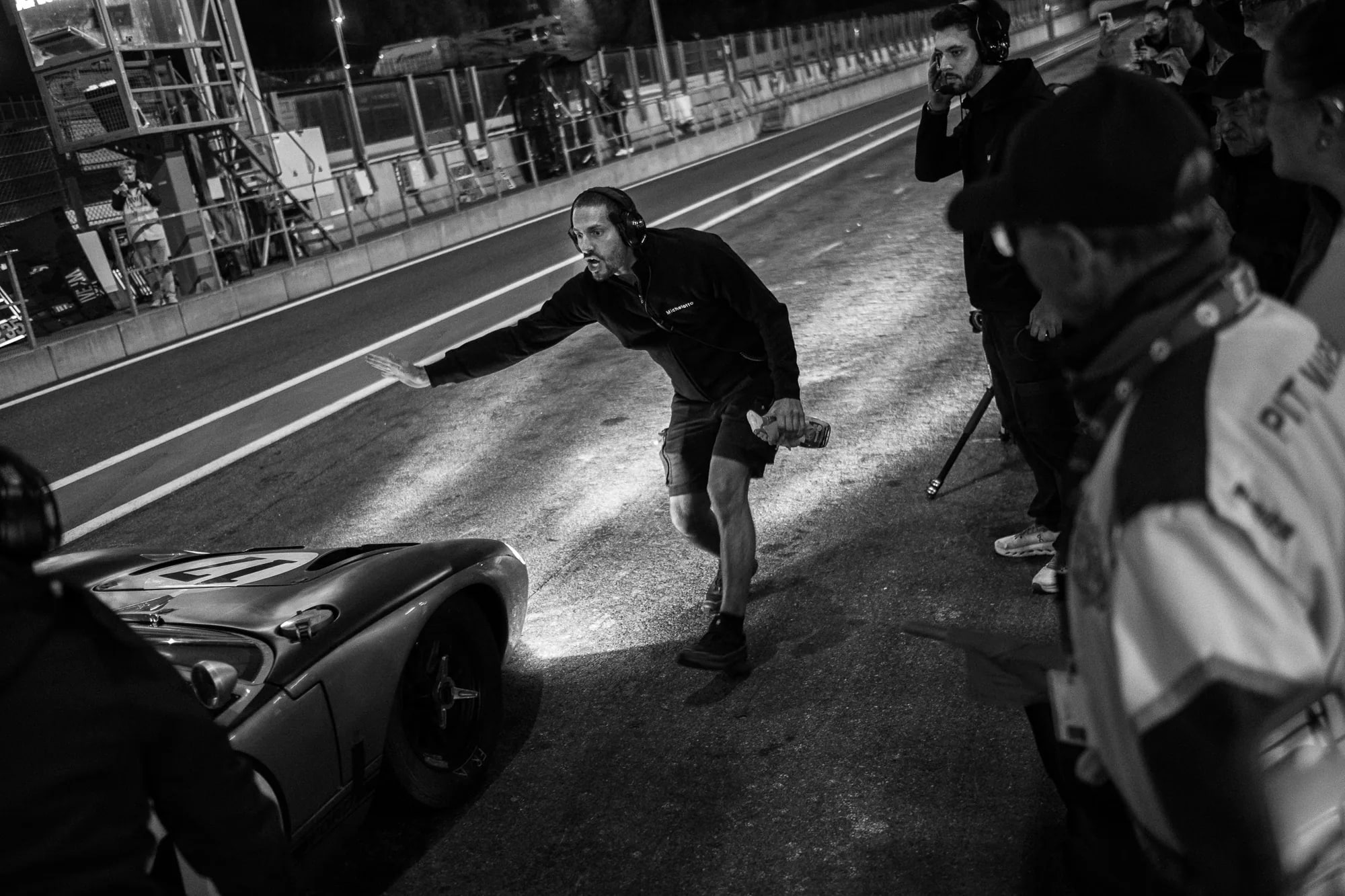
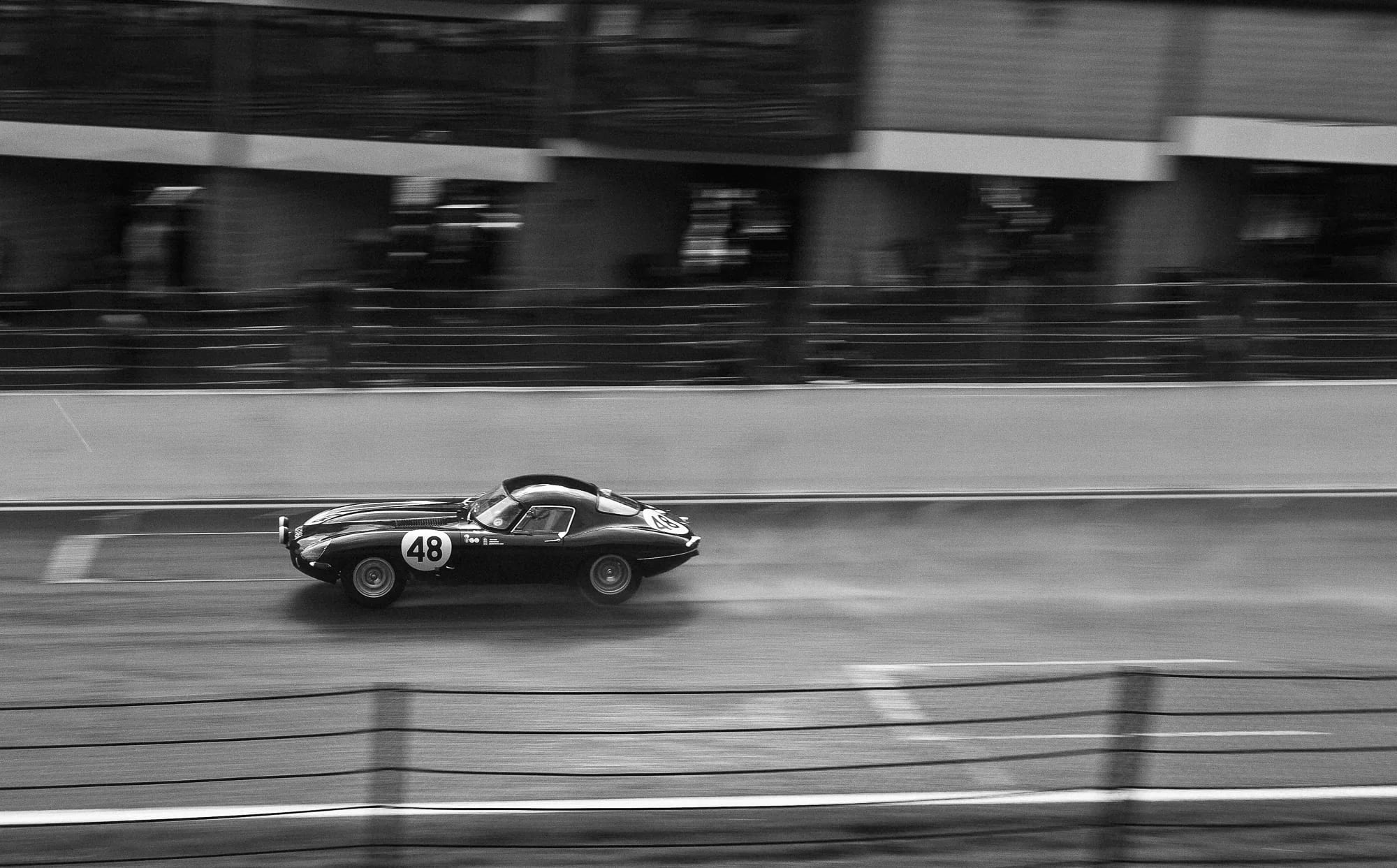
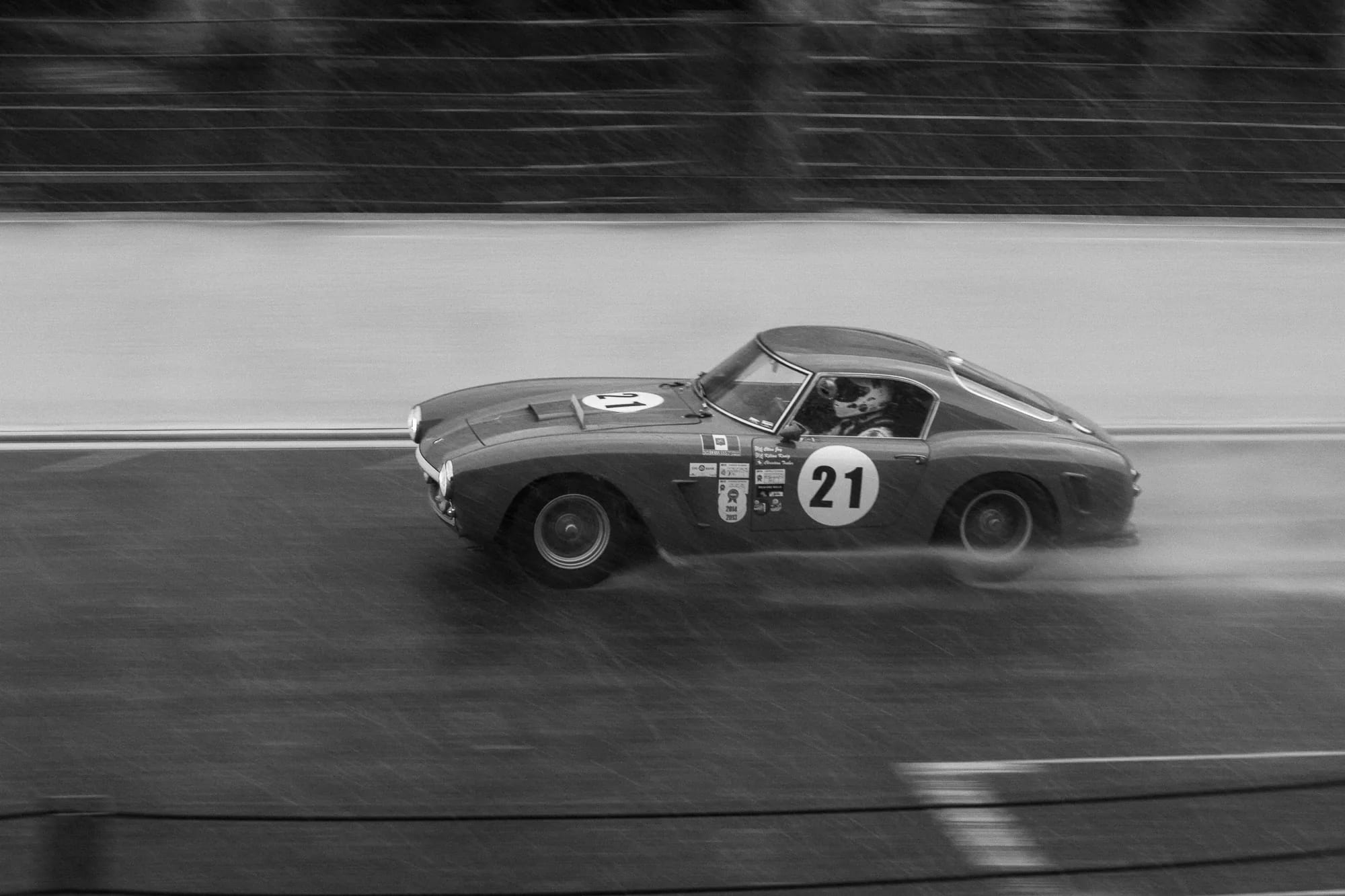
Navigating these machines at speed through the dark and the downpours requires extraoridnary skills.
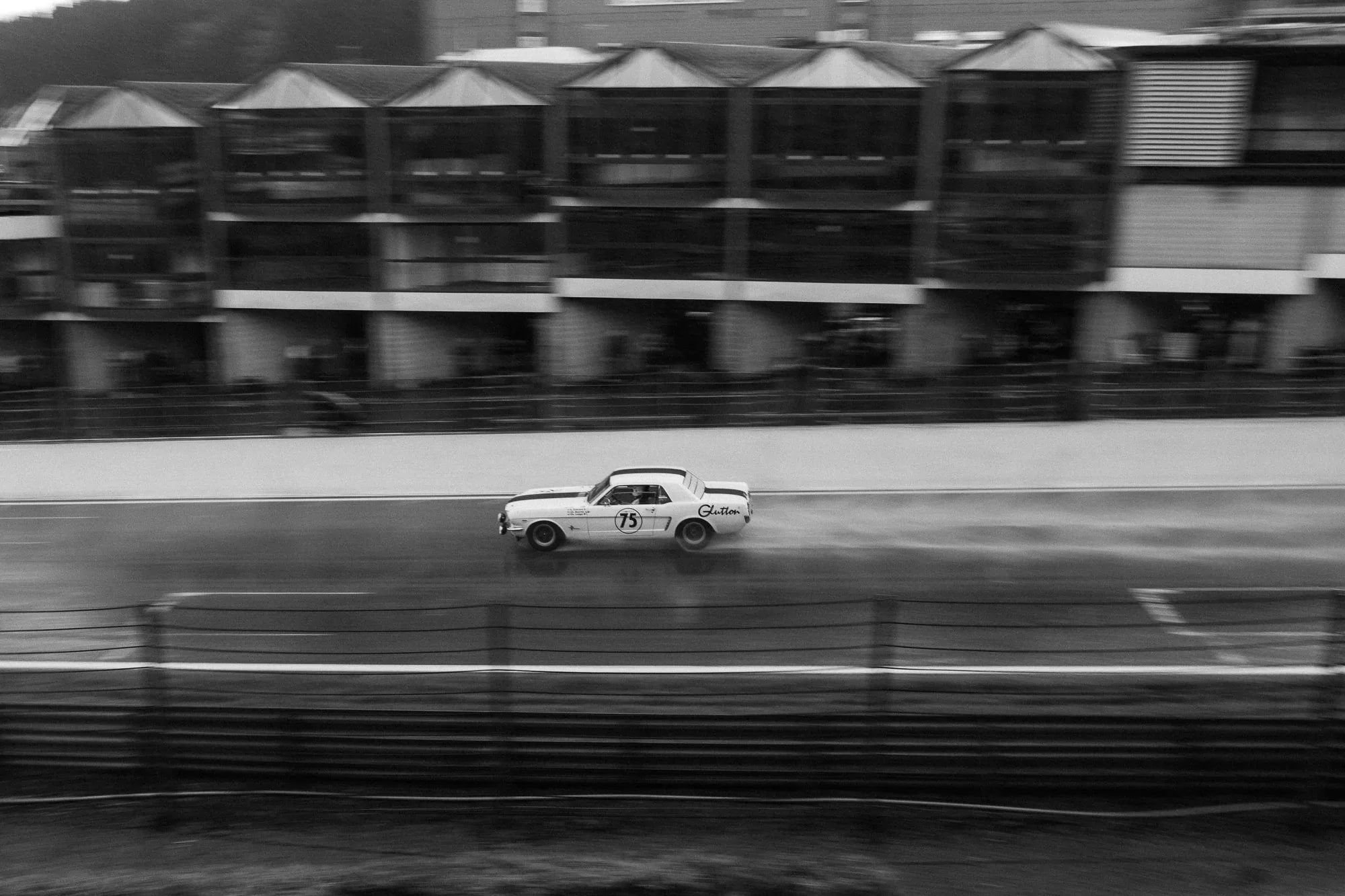
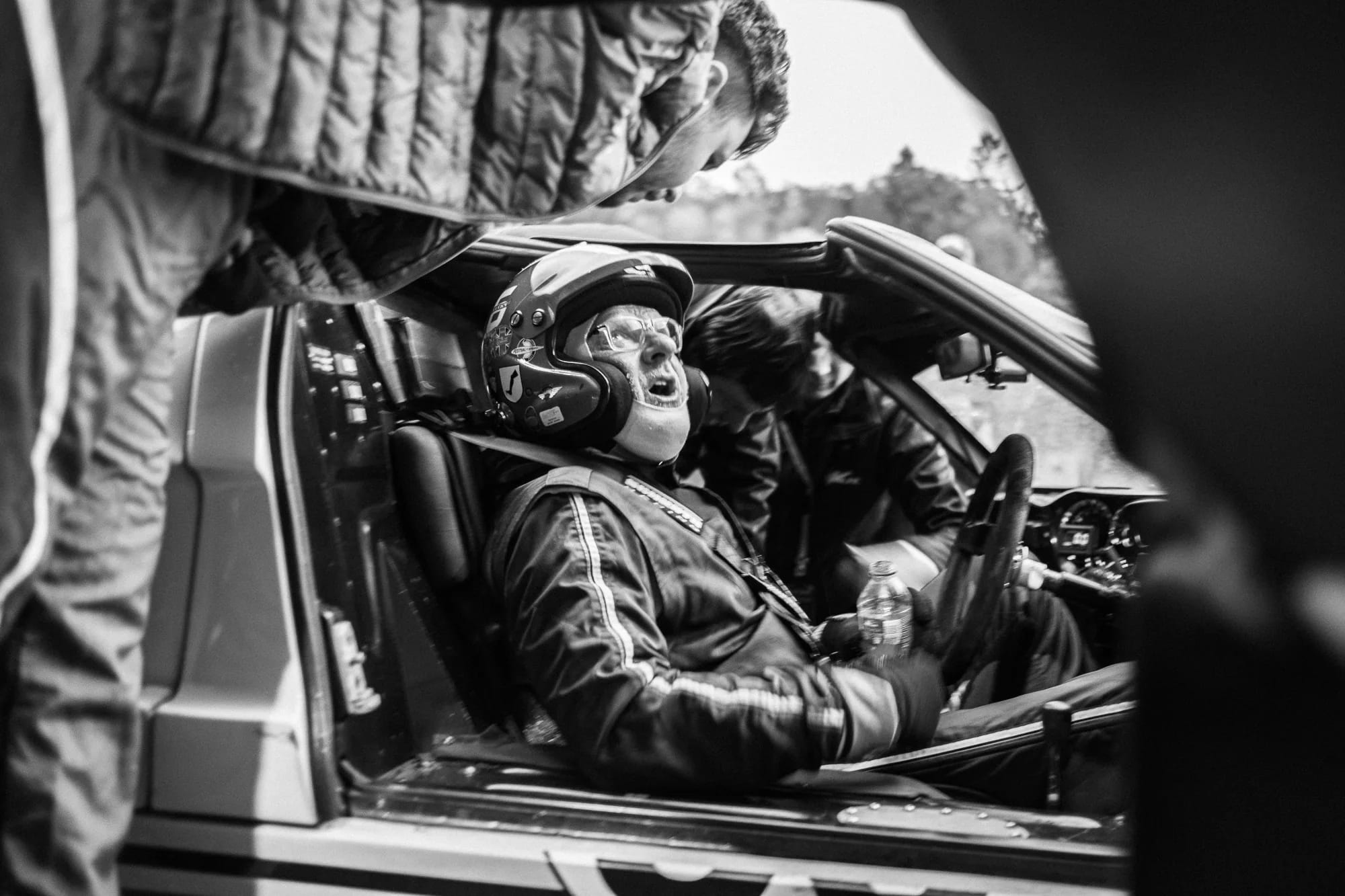
Drivers are always eager to race, no matter the conditions.
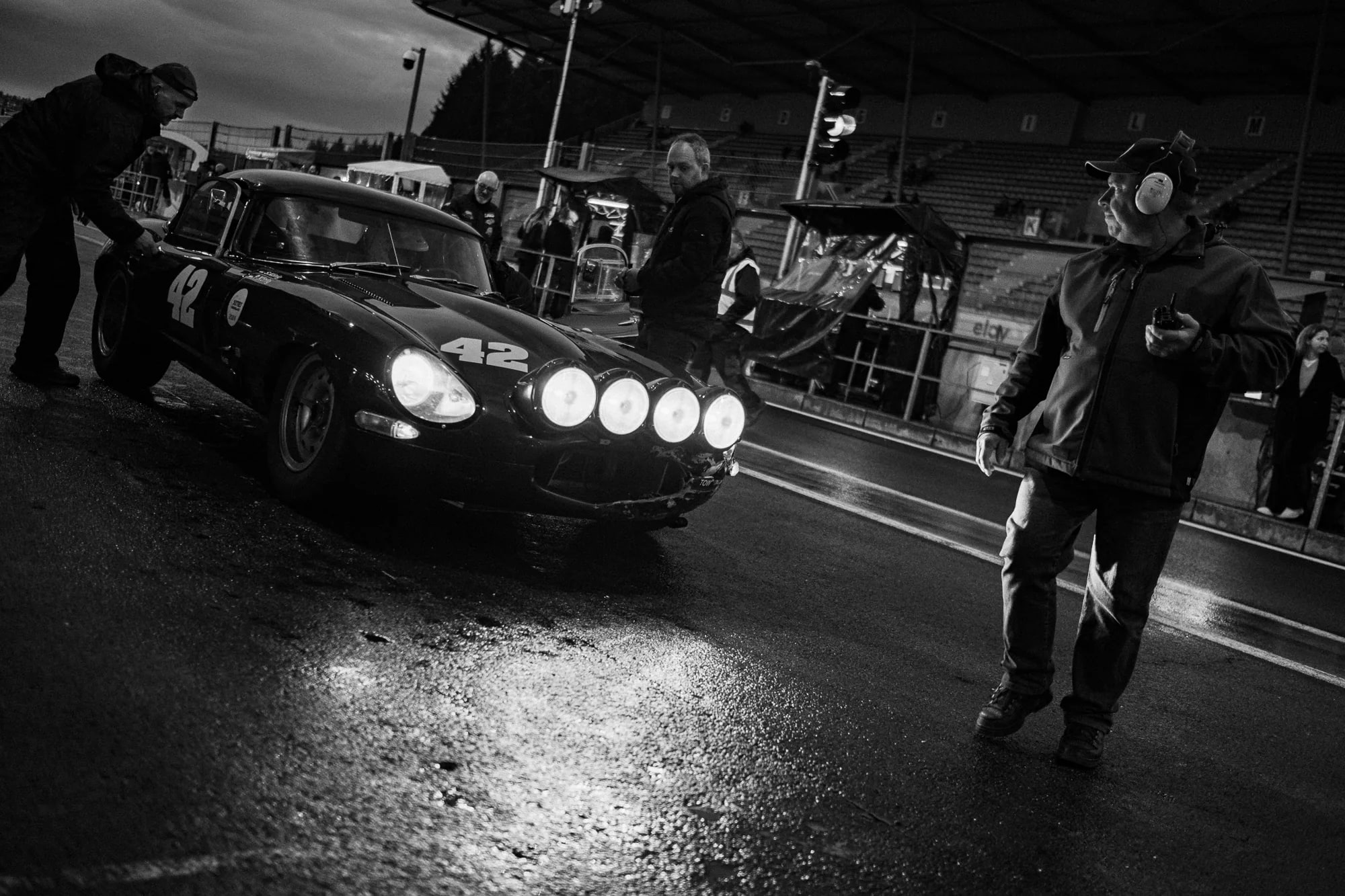
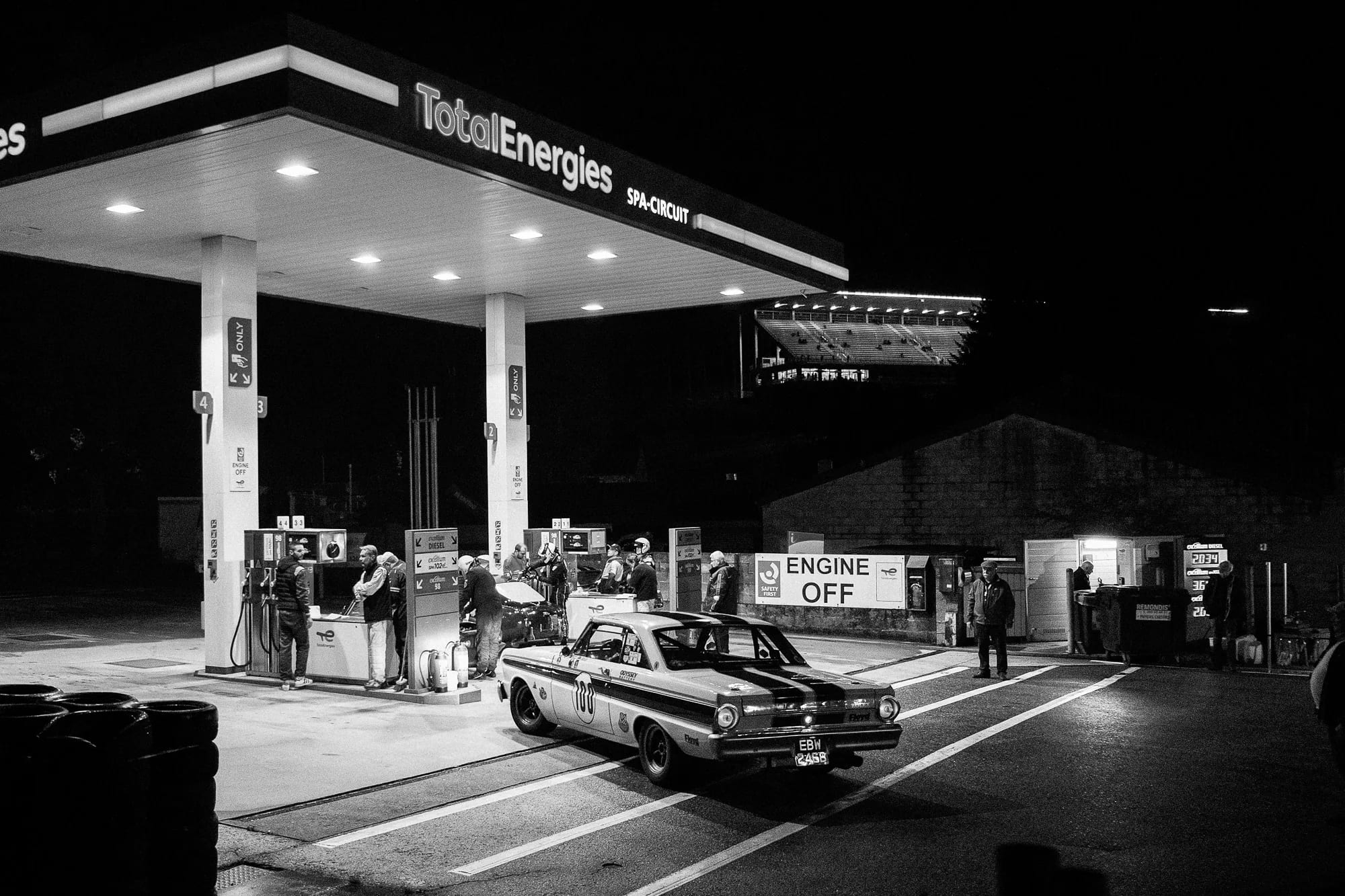
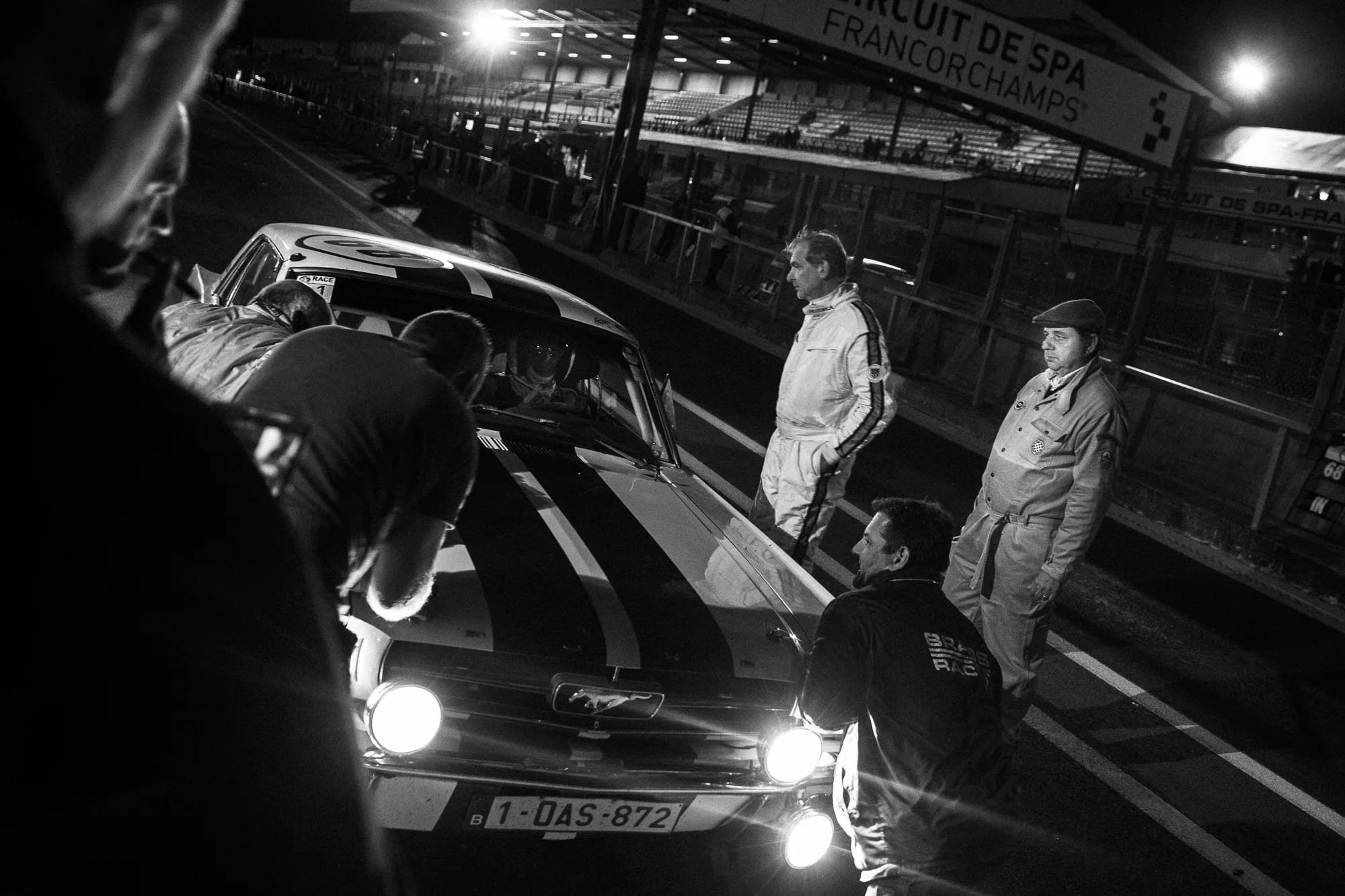
Strategy is essential. A slow refuelling stop can change the order on the track.
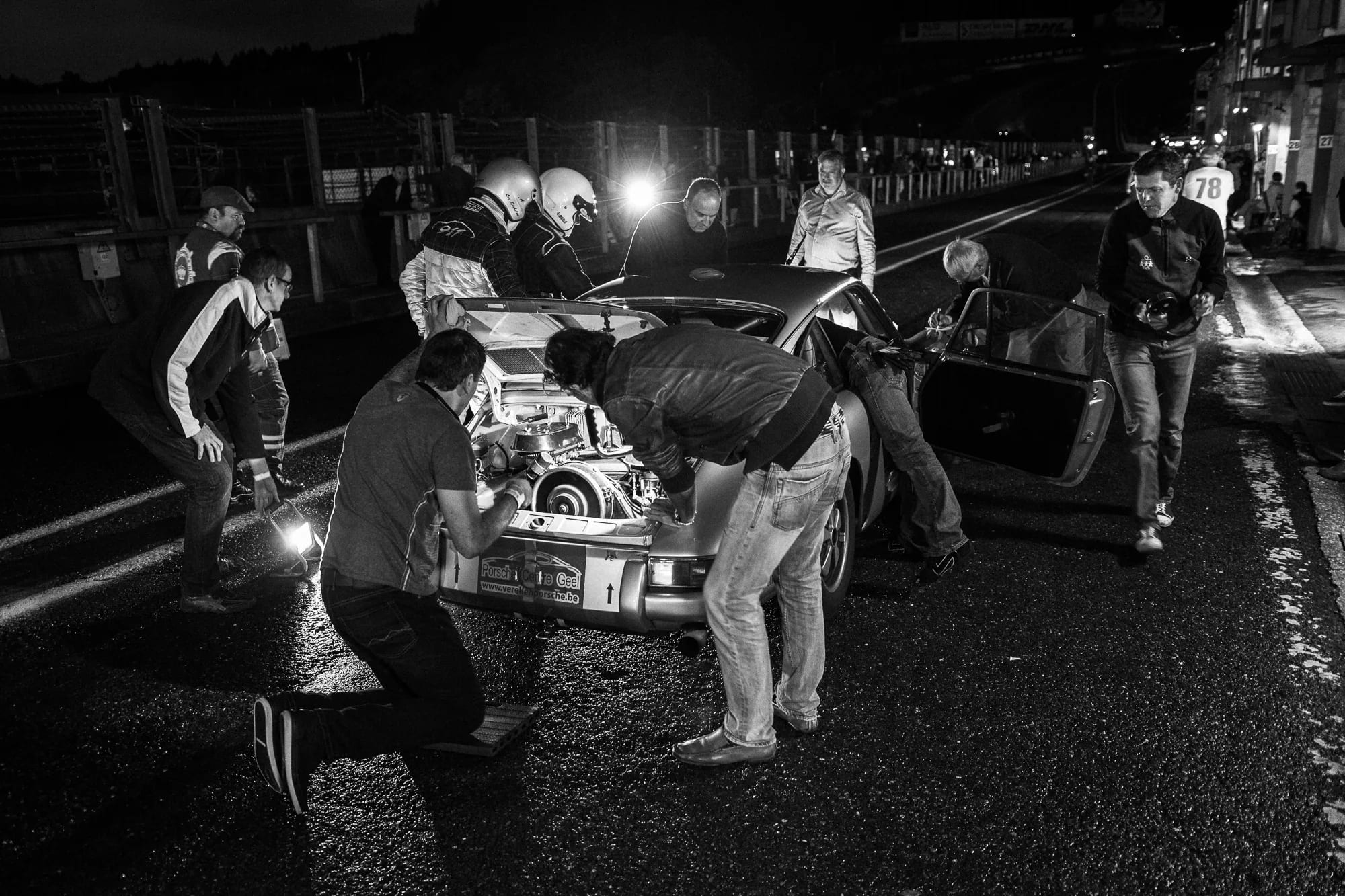
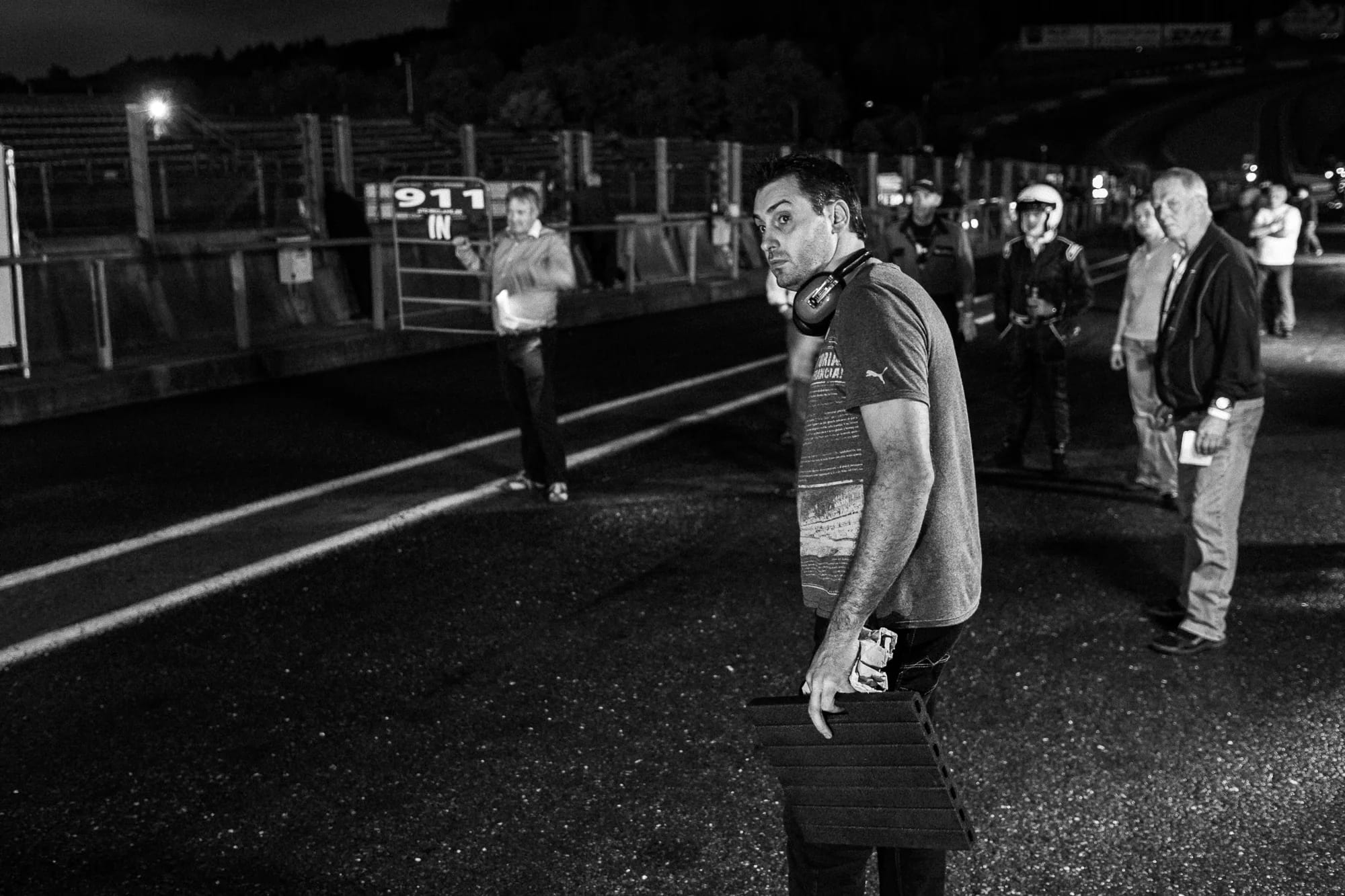
As the clock ticks down into the final hour, the race reaches its breaking point.
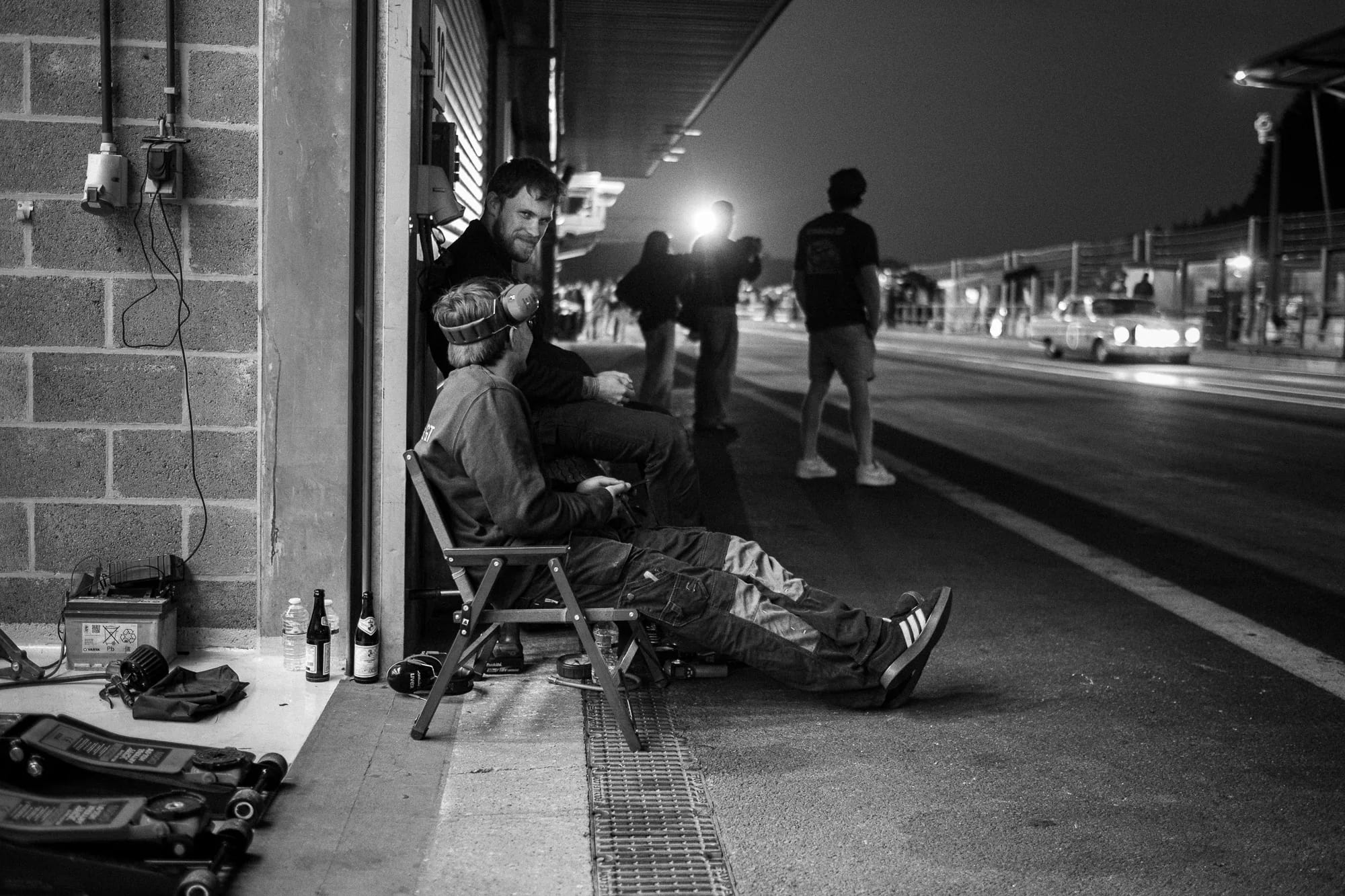
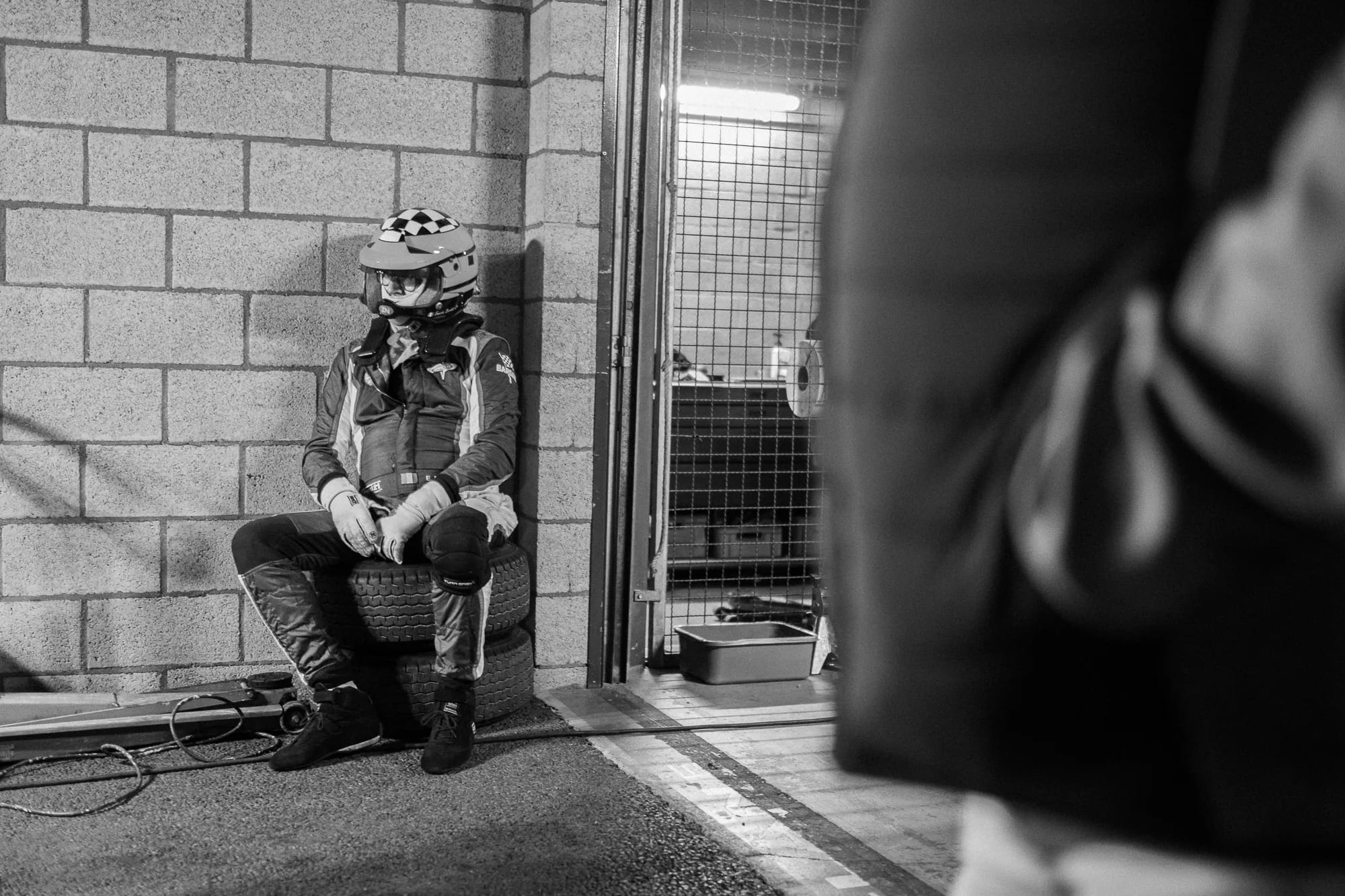
Shadows, flickering lights, and a brief moment of stillness. Drivers and mechanics wait in the dark pit box, catching their breath before the next stint.
Murphy’s Law
When you race a classic machines across an unpredictable circuit for six hours straight, Murphy’s Law becomes the unwritten rulebook.
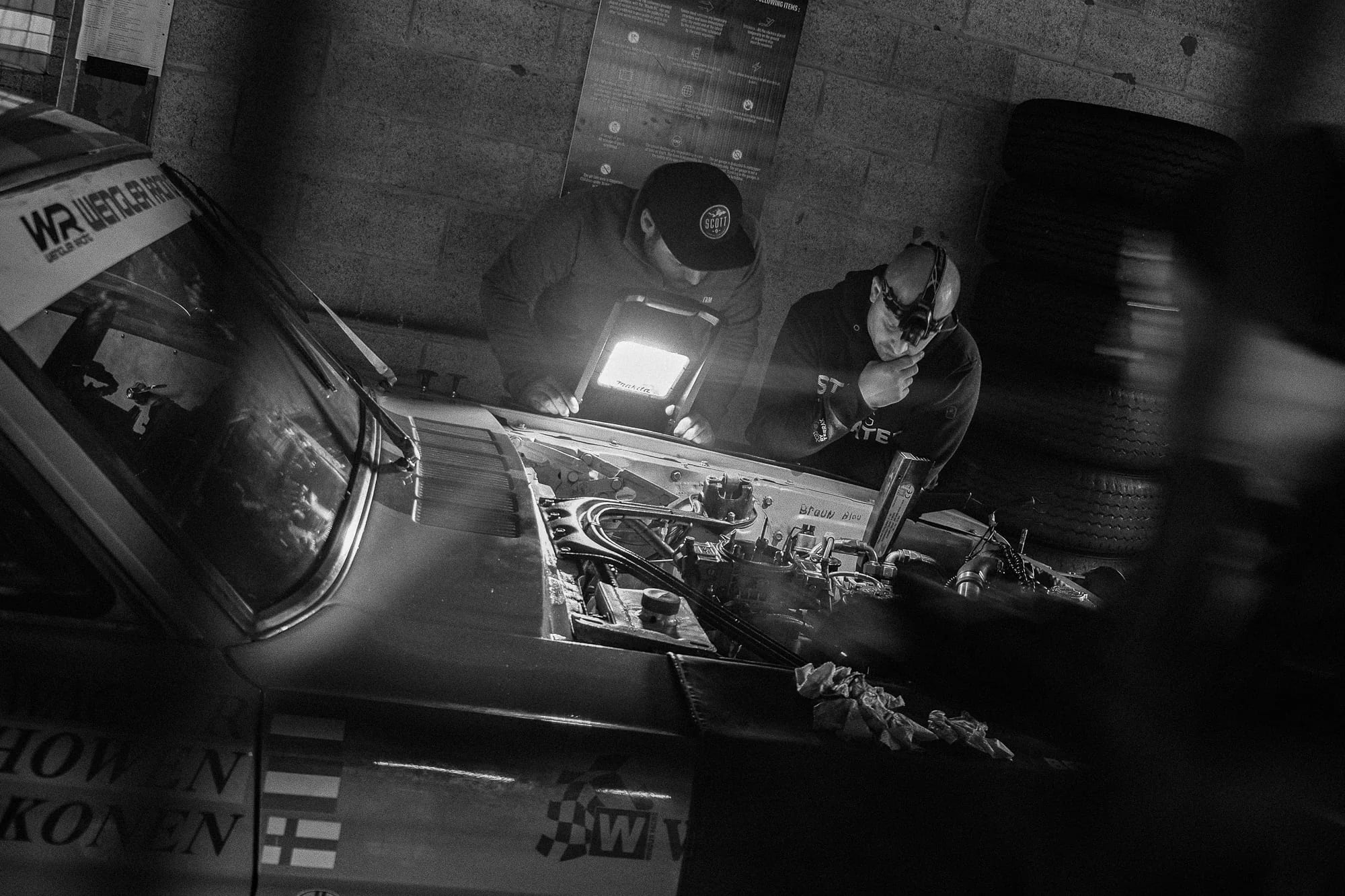
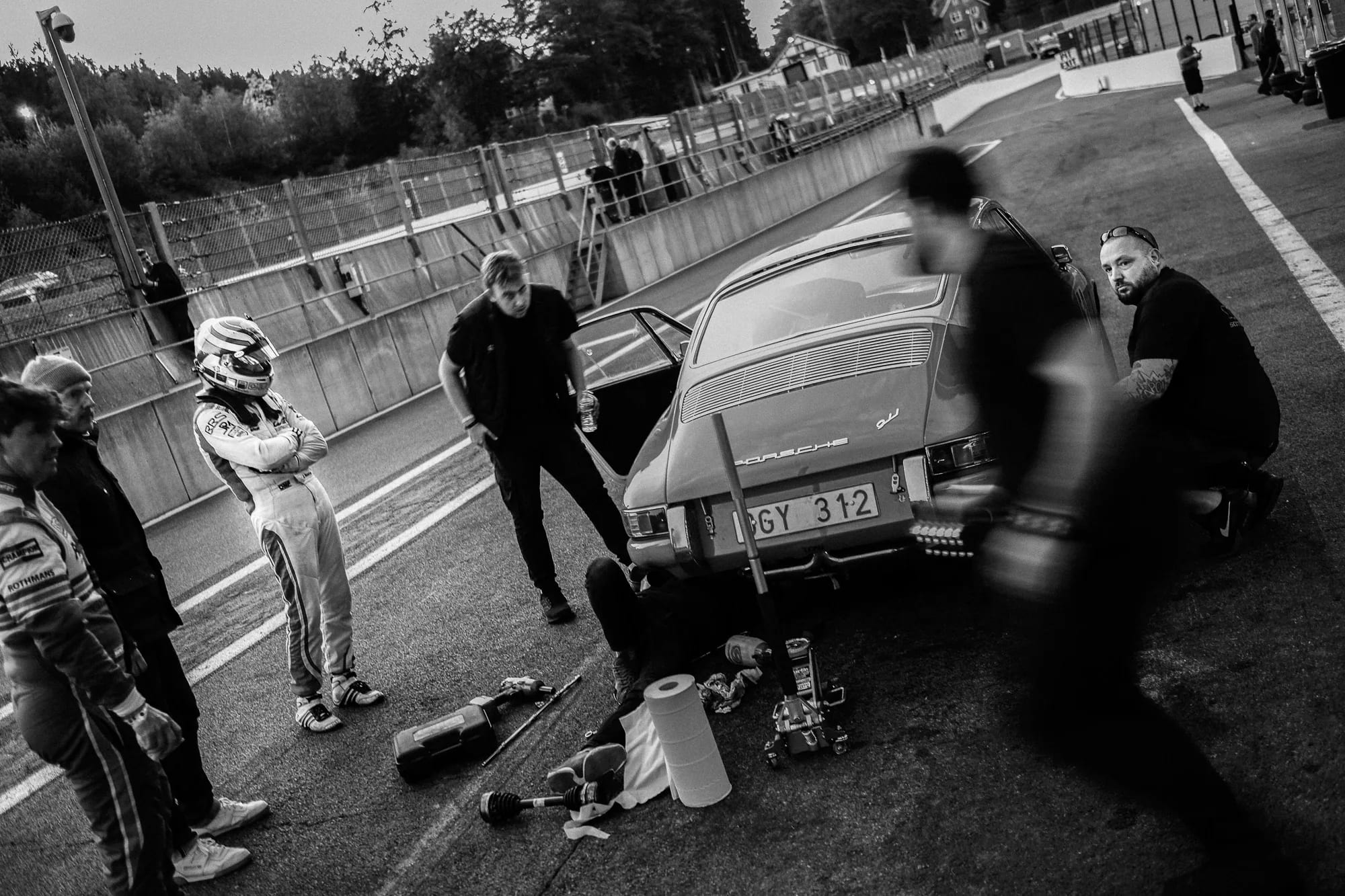
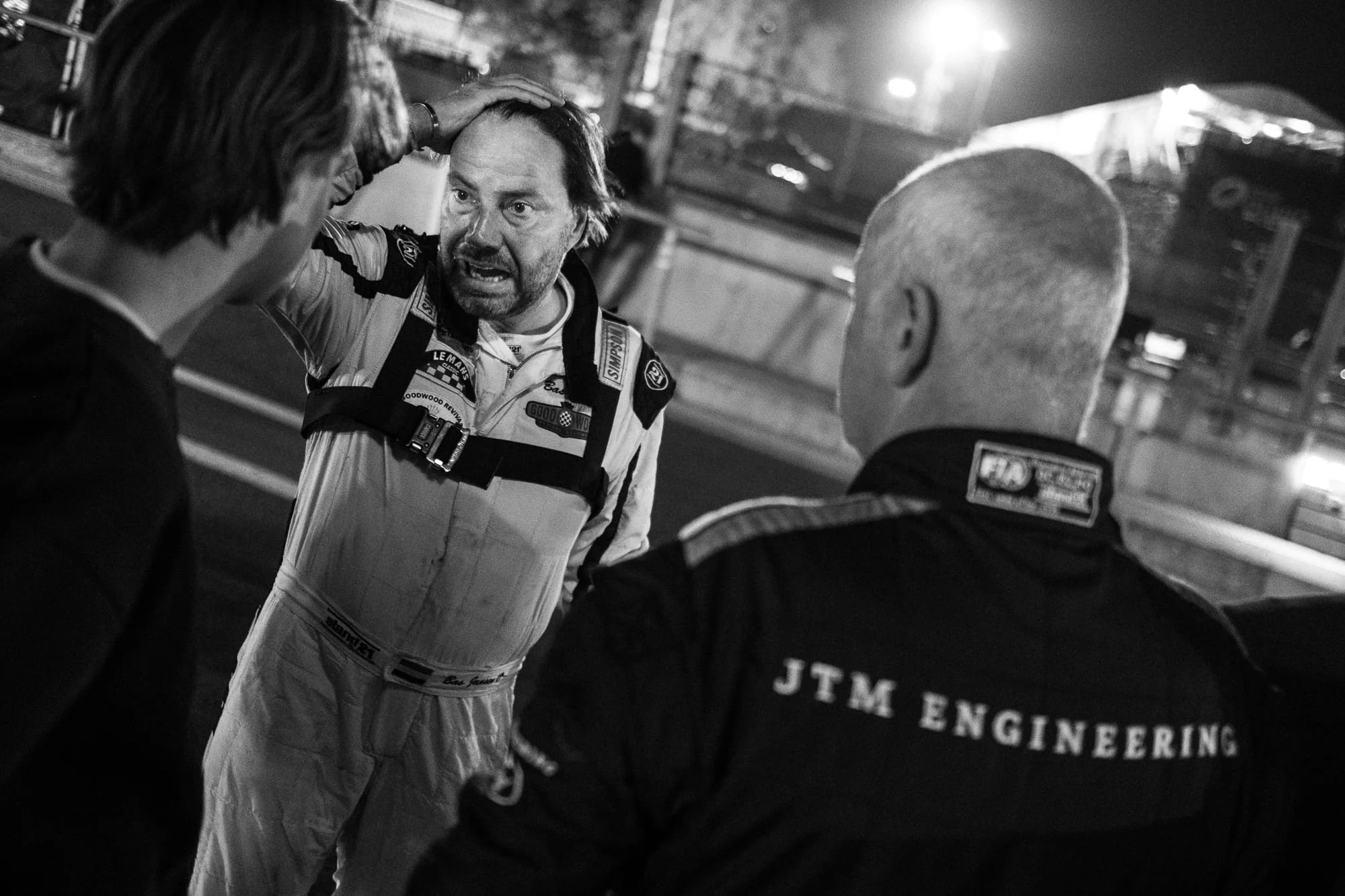
At times, the driver can do nothing but watch and hope for the best.
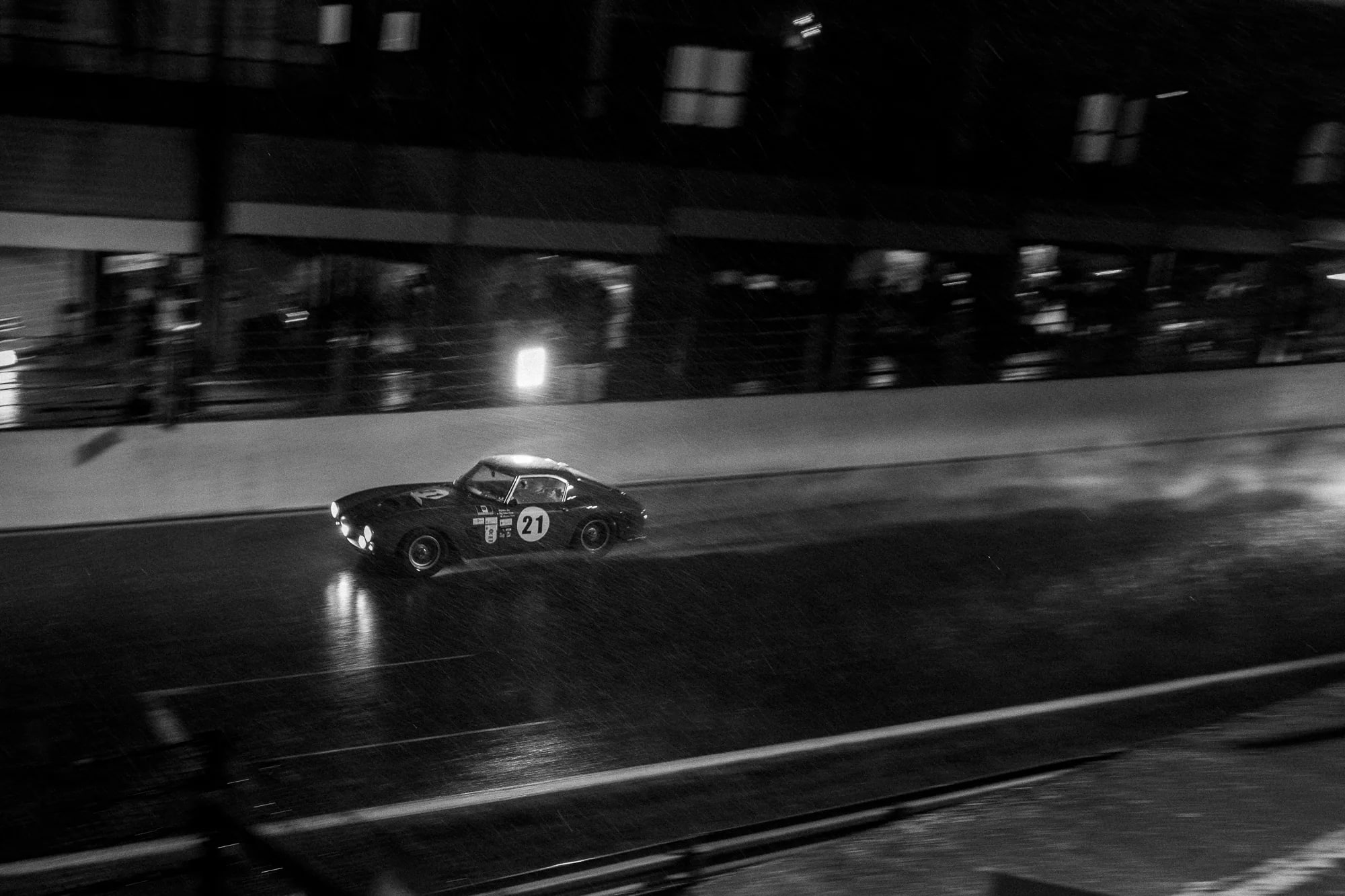
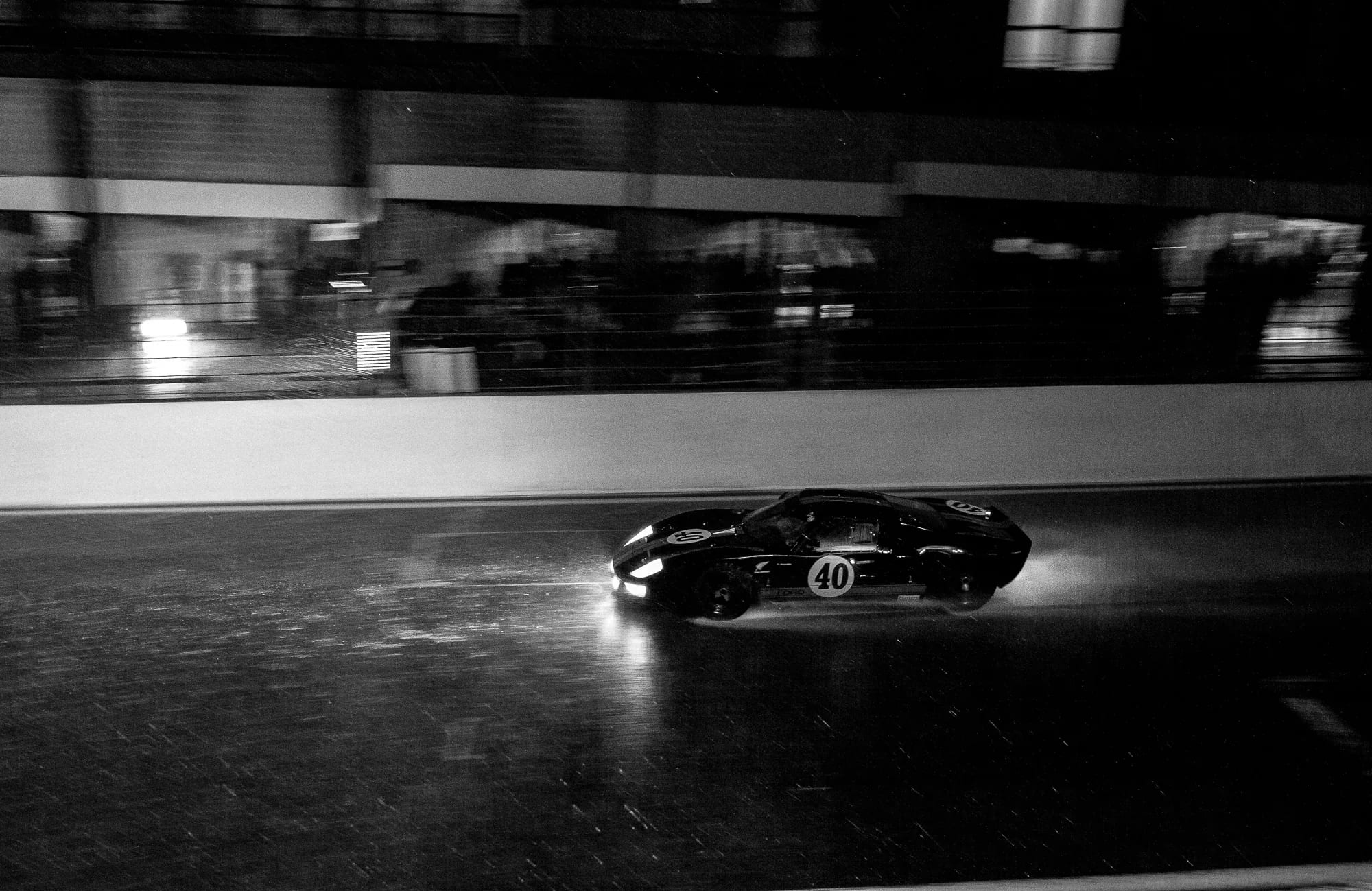
Drivers push through, fighting on a slick, rain-soaked track where every corner is a calculated risk.
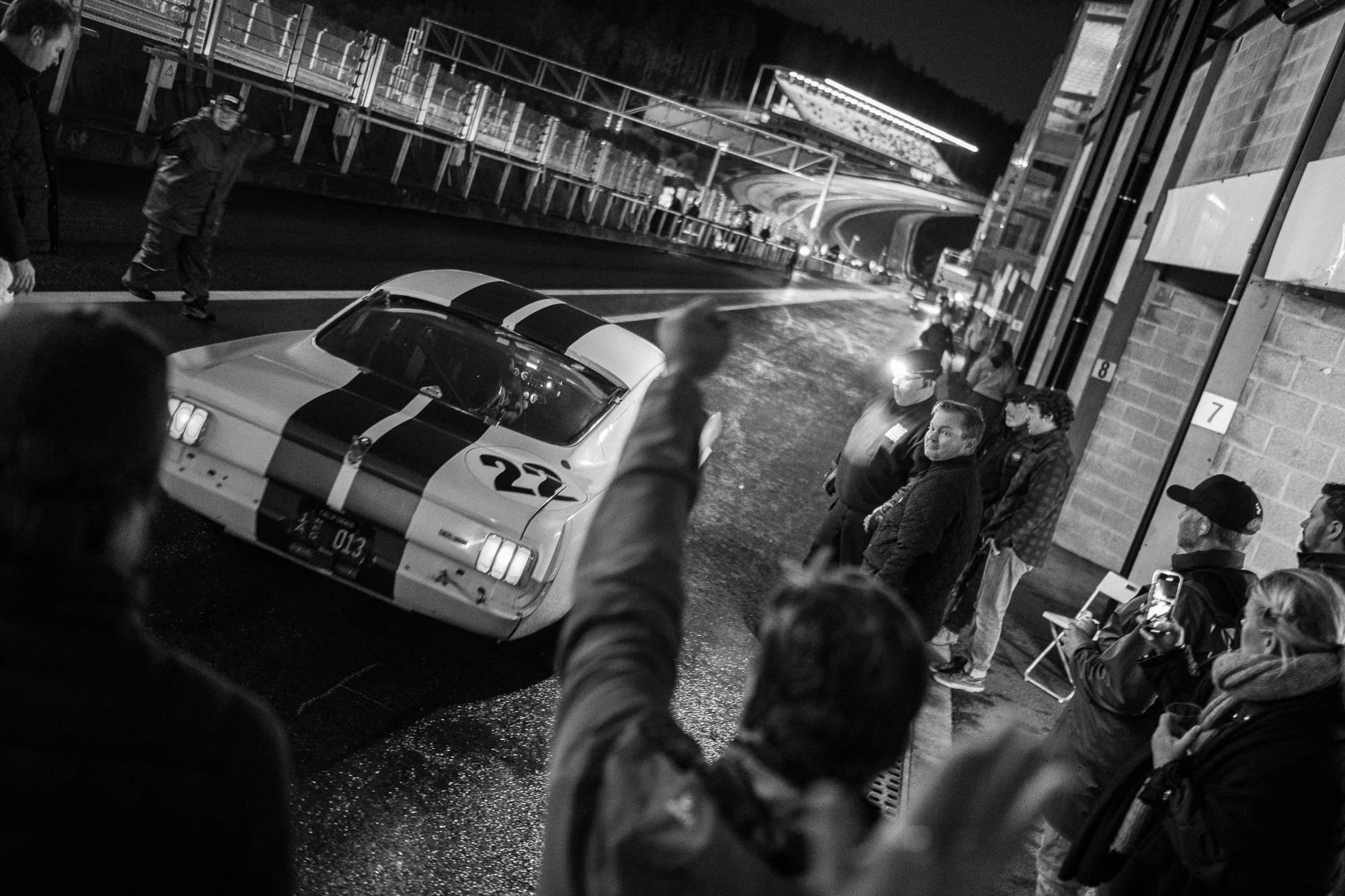
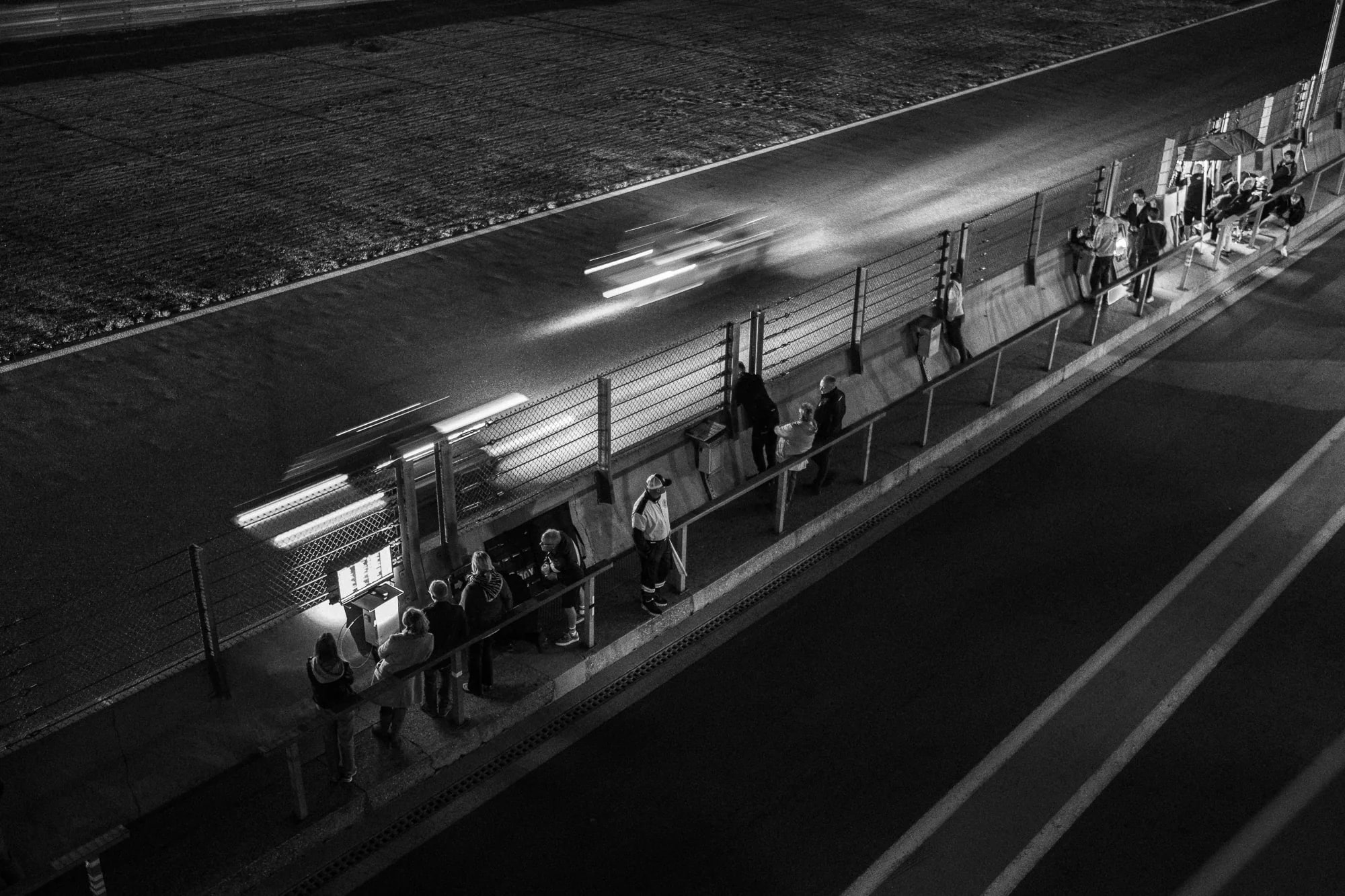
No barriers, no isolation. Supporters stay close, just like decades ago.
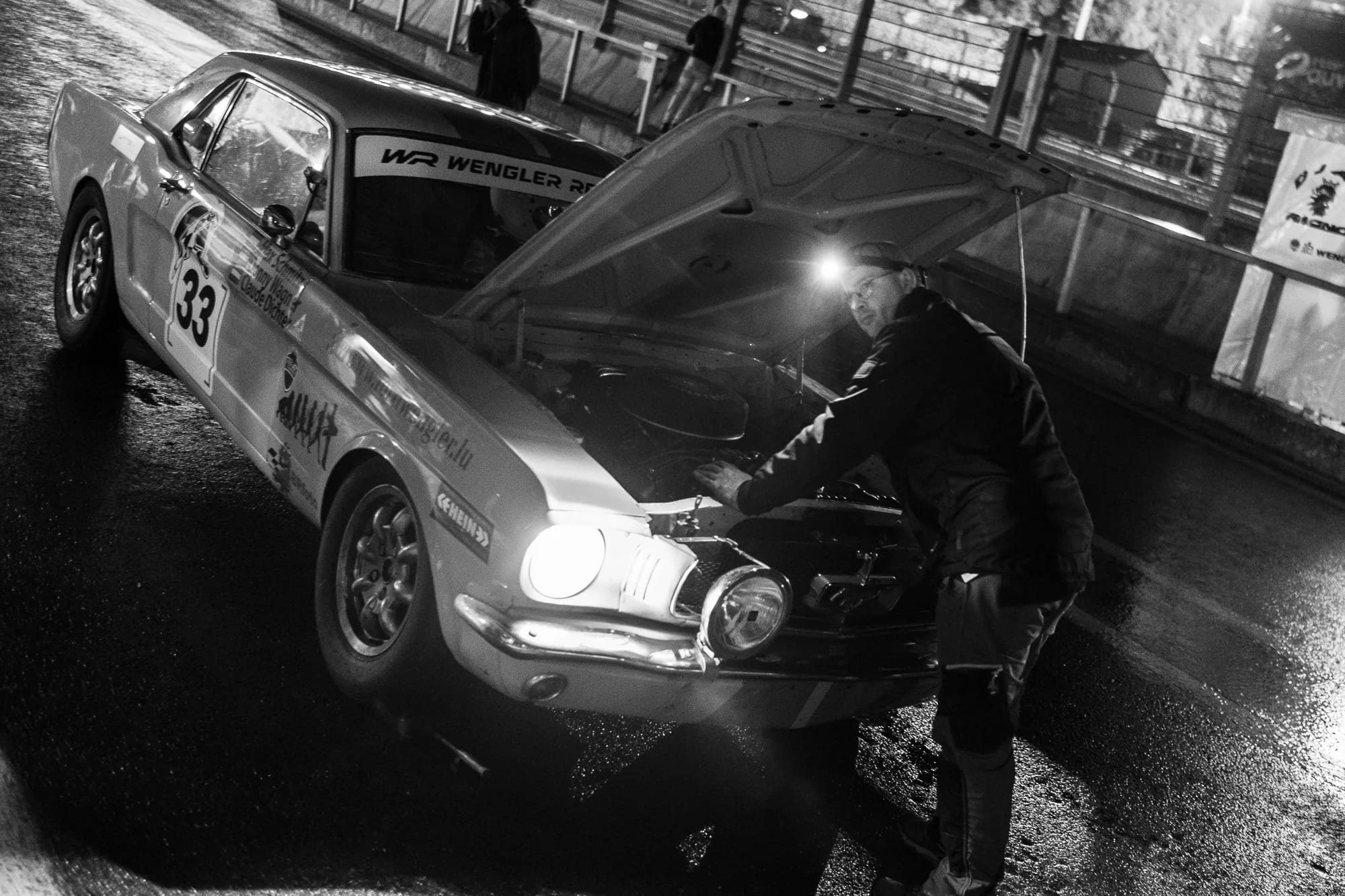
Losing time in the pit lane to an unexpected problem, while rivals press on around the circuit, is part of the game.
The final hour
Broken cars in the pit lane are a stark reminder that finishing an endurance race alone is an achievement
and that crossing the finish line first is just a bonus.
This collection of photographs is the result of my ten visits to the Spa Six Hours between 2014 and 2026.
Over a decade of returning to this event, I’ve photographed countless legendary racing cars and spotted famous drivers.
The images I cherish most, however, are the ones that take me back to that dark, wet pit lane. No celebrities. No PR. Just people who, against all common sense, feel the need to race a classic car on a classic track, and in doing so, pull you decades into the past, to a time when motorsport felt closer to its fans and was easier to understand.
Spa Six Hours. A Time Machine
by Michał Świtała